A Landscape Shaped by Fire and Ice
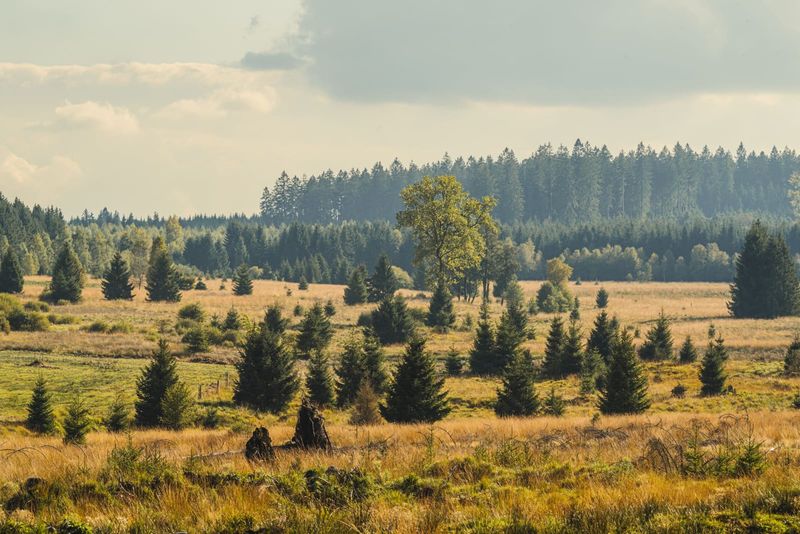
Dartmoor sits 600 metres above sea level in South Devon, covering 950 square kilometres of granite ridges, bog and ancient woodland. The upland has been farmed since the Bronze Age, its tree cover gradually cleared through swaling, a winter burning practice still used to prepare grazing land. What remains is a managed patchwork rather than true wilderness, though its granite tors, ponies and vast skies give the impression of untouched terrain.
The national park turns 75 in 2026, marking three-quarters of a century of formal protection for a landscape humans have occupied for at least 12,000 years. Fragments of primeval rainforest survive at Wistman's Wood and Shaugh Bridge, remnants of the dripping forest that once covered the moor. The tors themselves formed during the Ice Age, when freezing and thawing fractured the granite into the waymarkers that now crown the outer edges.
Folklore clings to the rock. Old Crockern, the moor's resident spirit, supposedly sleeps beneath Crockern Tor, stirring when humans exploit the land purely for profit. Near Hound Tor, legend holds that a giant called Bowerman was turned to stone after disturbing a gathering of witches. The region also inspired Arthur Conan Doyle's The Hound of the Baskervilles, drawing on local tales of spectral hounds.
Artisans and Ancient Skills
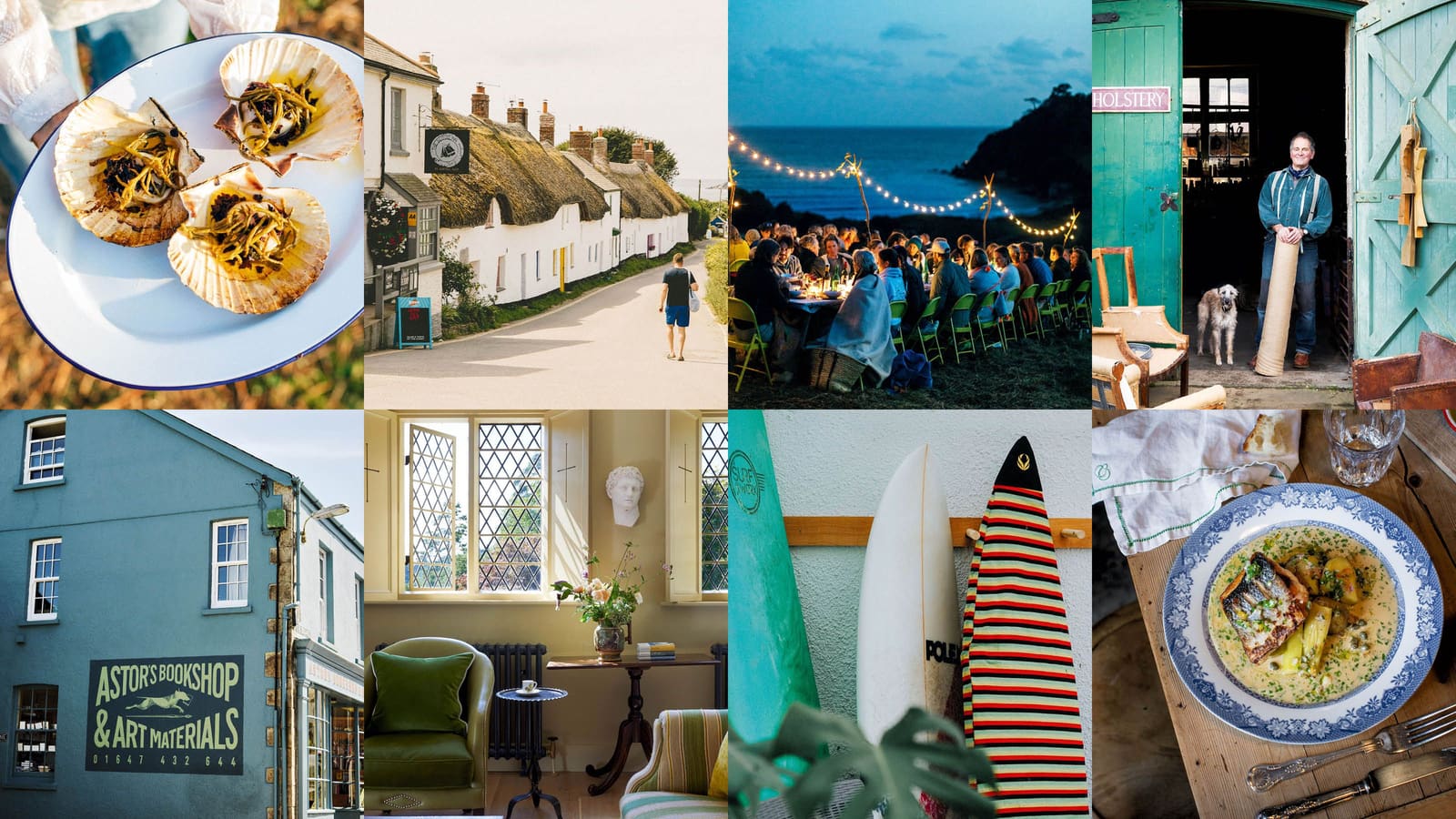
A wave of craftspeople has moved to Dartmoor in recent years, drawn by cheaper rents and a desire to work with their hands. The Dartmoor Artisan Trail links their workshops, offering visitors a chance to meet tanner Jessie Watson Brown and wood turner Sharif Adams, who teaches pole lathe bowl-making. The trail is curated by photographer Suzy Bennett and is now available as a guided day trip.
In Chagford, a Saxon-era stannary town, hand-scrawled flyers advertise pagan ceremonies alongside shops stocking sheepskin homewares and obscure magazines. The town also serves as a base for WildWise, which teaches navigation using natural landmarks instead of GPS, and for guided hikes to sacred sites led by author Emma Cunis.
Princetown, near some of the moor's most treacherous bogs, is home to Princetown Press, where artisans produce inks foraged from the landscape. In Ashburton, another medieval stannary town, antiques dealers line streets laid out to a Saxon plan. Catherine Waters Antiques and The Shambles stock French linen, Scandinavian silver and Georgian furniture, while Ashburton Arts Centre, a community-owned Methodist church, hosts concerts ranging from Javanese gamelan to jazz.
New Hotels in Old Hunting Lodges
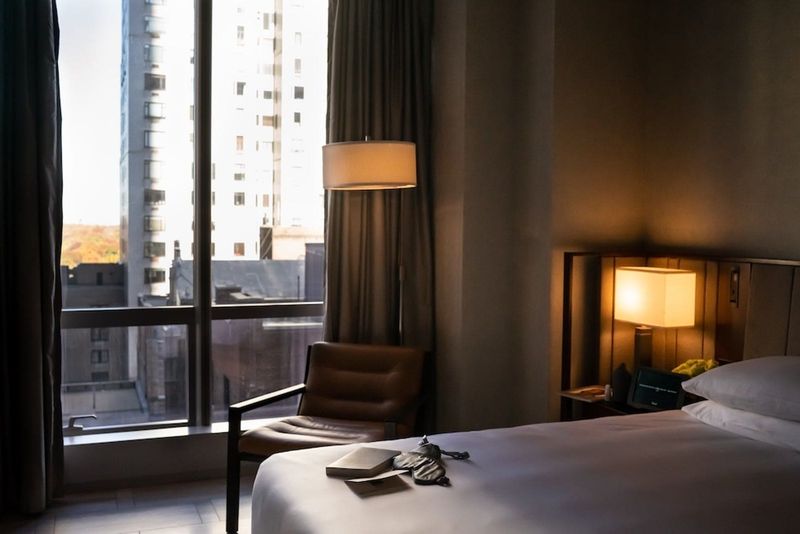
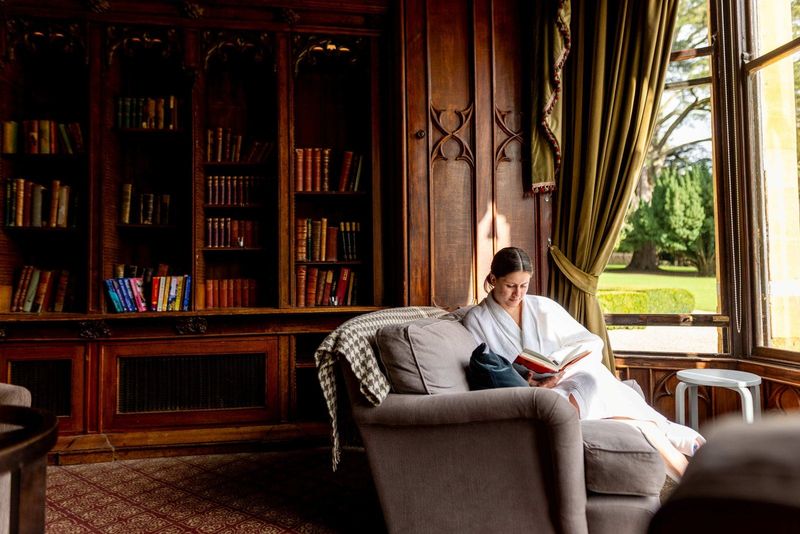
Hotel Endsleigh, housed in the Duke of Bedford's former hunting lodge, sits within gardens designed by Humphry Repton in the early 19th century. The sound of running water is audible from every corner of the property, which serves cream tea with home-baked scones on the lawn daily. The hotel is owned by Olga Polizzi.
Near Ugborough, Fowlescombe Farm offers ten nature-inspired suites and a restaurant overseen by Elly Wentworth. The kitchen works directly with the property's regenerative farm, serving heritage breeds such as Manx loaghtan sheep and vegetables including sea kale. Much of the furniture is custom-made.
Cold Water and Granite
Wild swimming has become a draw in itself. Wilder Sauna at Dartmeet offers plunges into the River Dart, while Chagford's heated lido is also fed by the river. The Somewhere Sauna, near Mothecombe on the South Hams coast, overlooks the water and an owl box whose resident occasionally departs mid-session.
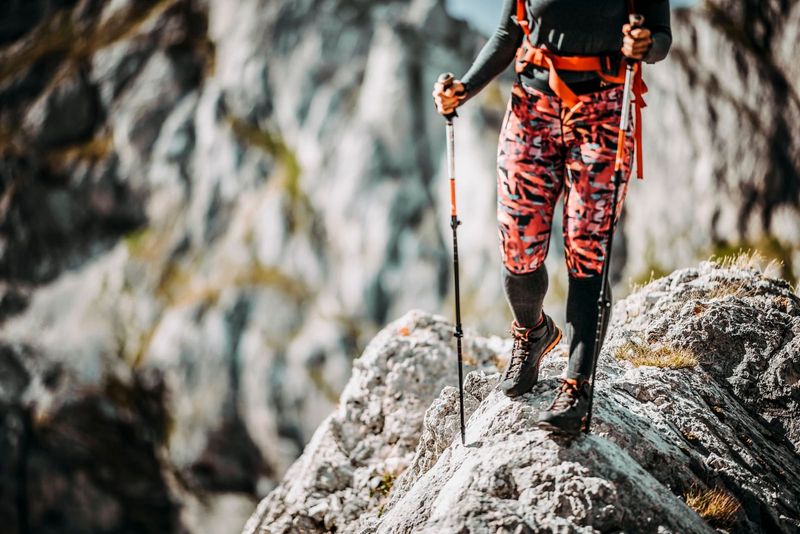
The South West Coast Path runs along the coast, linking Bantham, a privately owned estate with a surf beach and 14th-century pub, to Burgh Island, a tidal outcrop topped by an art deco hotel that once hosted Agatha Christie and Winston Churchill. It is possible to hike eight miles from Bantham to Mothecombe when the tide permits crossing the Avon and Erme rivers.
Salcombe, 32 kilometres to the southeast, caters to the yachting set with palm trees, Victorian villas and a sweetshop founded in 1869. The town is best visited outside school holidays. South Sands Hotel and Gara Rock, the latter perched on a cliff and reached via a wooden ferry and four-mile coastal walk, both have pools overlooking the English Channel.
Wine, Natural Navigation and the South Hams Way
Totnes has been associated with alternative living since Americans Dorothy and Leonard Elmhirst purchased Dartington Hall in 1925 as a centre for arts and ecology. The town now hosts Sandridge Barton, which produces sparkling and still wines in a limestone-rich section of the Dart Valley, and Roam, a restaurant run by Sean Blood that draws on Basque influences while sourcing from no-dig and regenerative farms.
The Bull Inn, at the top of the high street, serves seasonal dishes from Baddaford Farm, an organic operation run by the innkeeper's husband. The inn's nine rooms feature porcelain lampshades by Pippi & Me and organic bed linen from Greenfibres.
The South Hams Way, a 160-kilometre circular hiking trail, opened recently. Devised by a local ramblers group, it threads through sunken lanes and up coastal cliffs, linking the moor to the estuary valleys that give the region its name. "Hamm" is Old English for valleys hemmed in by tidal water and steep climbs.
Why Visitors Are Going Analogue
Dartmoor's appeal lies in its combination of difficulty and accessibility. The bogs around Fox Tor Mire are dangerous enough that only locals who know the route attempt to cross. Fog can descend so quickly that tents become invisible from 10 metres away. Yet the infrastructure for slower, more tactile travel has grown: artisan trails, natural navigation courses, supper clubs serving hyper-local ingredients, and hotels that prioritise organic linen over luxury branding.
The shift mirrors a broader fatigue with screens and speed. Visitors are paying to learn pole lathe turning, to navigate by landmarks, to plunge into numbing river water. The moor's 75th anniversary as a national park coincides with a moment when its combination of ancient skills, wild swimming and maker culture feels newly relevant.
Whether that interest translates into long-term support for the region's craftspeople and small farms remains to be seen. For now, Dartmoor offers a testing ground for anyone curious about what travel looks like when it slows down enough to feel the granite underfoot.