A Refuge for Outlaws
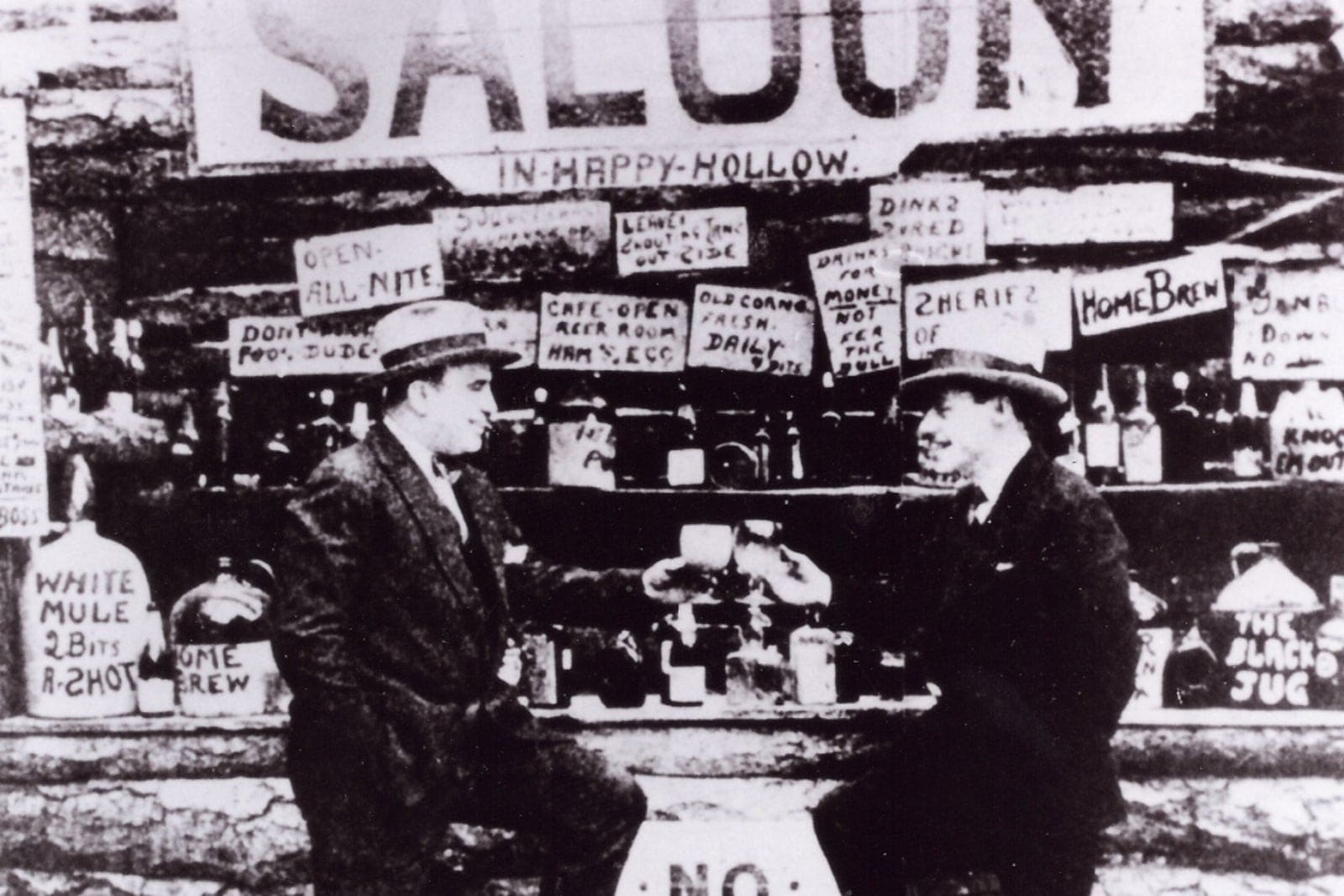
Hot Springs, Arkansas, earned an unusual nickname in the mid-20th century: the "Sin City of the Bible Belt." While the surrounding Southern states enforced strict moral codes, this small town operated by different rules. From the early 1930s through the 1960s, some of America's most wanted criminals treated it as their personal vacation resort.
Al Capone checked into the Arlington Hotel's Room 443. Frank Costello and Charles "Lucky" Luciano soaked in the thermal baths. Bonnie and Clyde used the mineral waters to treat their injuries. Bugsy Siegel placed bets at the horse track. These weren't clandestine visits. The gangsters moved openly through town, and local law enforcement let them.
The appeal was straightforward. Hot Springs offered what criminals couldn't find elsewhere: a place to relax without looking over their shoulders, combined with mineral springs that had been flowing from the ground at 143 degrees Fahrenheit for four thousand years.
The Waters That Built a Town
Long before gangsters arrived, the thermal springs made Hot Springs a destination. Native American tribes are believed to have used the waters for their healing properties. By the late 1800s, the springs had gained a reputation strong enough that Major League Baseball teams began using the town as a training base from 1886 into the 1940s. Babe Ruth and Jackie Robinson both soaked in the baths and hiked the nearby Ouachita mountains to build fitness before the season.
The water's medicinal reputation drew a wide range of visitors. Capone himself reportedly came seeking treatment for venereal disease, as he famously suffered from syphilis. Whether the springs delivered cures or simply comfort, they gave Hot Springs a legitimate draw that made the town's other attractions easier to overlook.
In 1832, President Andrew Jackson declared the area America's first federal reservation, predating Yellowstone. Locals still debate whether this makes Hot Springs the nation's first national park.
A System Built on Looking Away
What set Hot Springs apart wasn't just the thermal baths. It was the carefully engineered tolerance for activities that were illegal nearly everywhere else in Arkansas and the surrounding states. You could drink hard liquor during Prohibition. You could gamble in full-scale casinos with roulette wheels, slot machines, and card tables staffed by professional dealers. You could bet on horses. You could visit brothels.
The police, sheriff's office, and local government weren't ignorant of these operations. They were participants. Corruption allowed the town to profit from illegal liquor, gambling, and prostitution while maintaining one firm condition: keep the violence out of Hot Springs.
For the most part, the criminals complied. Bank robbers like Frank Nash and Harvey Bailey would commit crimes across the country, then come to Hot Springs to spend their money. The gangsters generally coexisted peacefully while in town. They were on vacation.
The Gangster Who Stayed
One mobster made Hot Springs his permanent home. Owen "Owney" Vincent Madden was born in Leeds, England, and grew up in Harlem, where he built a reputation violent enough that actress Mae West, once his lover, called him "sweet but oh so vicious."
Madden's distinctive British accent became a fixture around town. He played a central role in developing Hot Springs into a gambling destination and remains a figure in American mob history. Unlike the others who visited and left, Madden settled in and became part of the town's identity.
Where the Mobsters Slept and Played
The Arlington Hotel on Central Avenue was the preferred accommodation for successful gangsters and bootleggers. Capone always stayed in Room 443 and often booked the entire fourth floor. The hotel still operates today, with its sweeping staircase, chandeliers, and grand columns welcoming guests into an expansive lobby.
When Las Vegas was still a handful of roadside hotels in the Nevada desert, Hot Springs had established casinos that rivaled anything in the country. Central Avenue pulsed with tourists, and the infrastructure for vice was sophisticated.
The Ohio Club, which opened in 1905, still stands in its original location on Central Avenue. Today it serves drinks and American food, with a vintage roulette wheel on display from the illegal gambling days. The women's restroom has a framed prostitution license from 1899.
Other popular mobster haunts like The Belvedere, the Southern Club, and The Vapors are gone. But Oaklawn race track, which has hosted races since the early 1900s despite occasional shutdowns by authorities, now includes a sprawling casino, fine-dining restaurants, and a hotel.
The End of an Era
The FBI and J. Edgar Hoover viewed Hot Springs as a problem, but the town's arrangement held until the 1960s. When Winthrop Rockefeller became governor, he campaigned on ending illegal gambling and followed through.
State police conducted a series of raids. Slot machines were smashed with hammers. Dice tables were dragged into the street and burned. By the end of 1967, the visible gambling operations had been shut down or pushed underground. The era of open vice was over.
What Remains
Nearly six decades later, gambling has returned in legal form. The lights shine at Oaklawn's casino, where roulette wheels spin and cards are dealt. Visitors still come for the thermal baths that line Central Avenue, following the same impulse that brought baseball players and gangsters alike.
The town also has a connection to more conventional American history. At 1101 Park Avenue stands the boyhood home of Bill Clinton, who lived in Hot Springs from 1954 to 1961 and graduated from Hot Springs High School in 1964. The house isn't open to the public, but it's a reminder of the town's place in the broader American story.
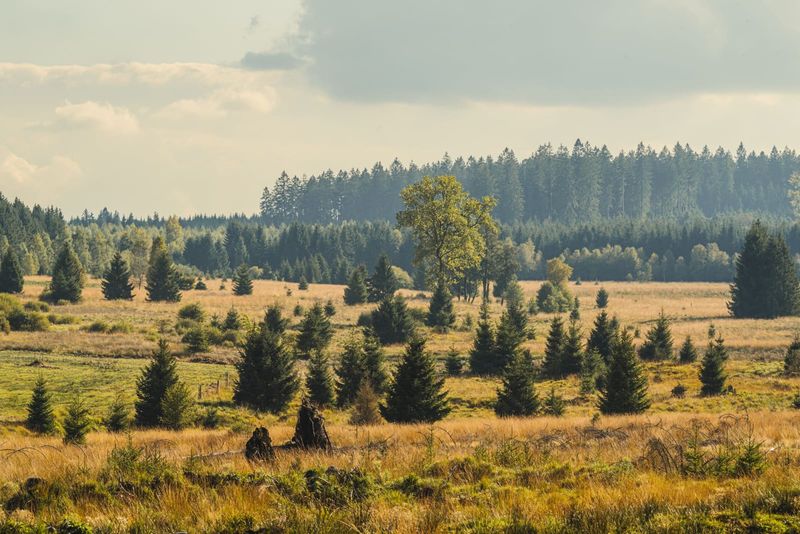
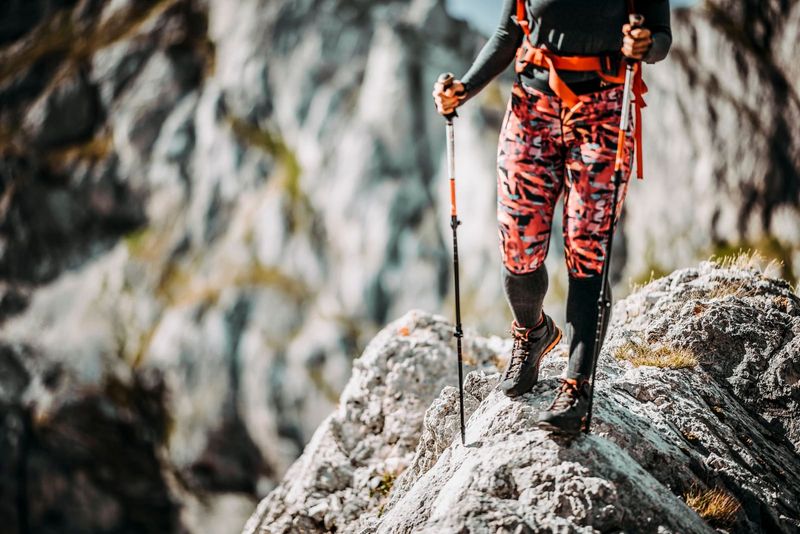
Short hiking trails lead from the bathhouses up to Mountain Tower, which offers views over the town. Lake Hamilton sits a short drive away, and beyond that, the Ouachita mountains provide deeper wilderness.
Superior Bathhouse Brewery operates as the only brewery in a US national park and the only one in the world to brew with thermal spring water. The Pancake Shop often has a line out the door. Black Ribbon Books offers a place to browse, and the Mobster Museum provides a fuller picture of the gangster history.
Hot Springs holds onto its reputation as a place for rest and relaxation. But it also preserves a complicated chapter of American history, one that reveals how vice, corruption, and healing waters could coexist in a single small town for decades. The gangsters are gone, but the springs still flow, and the town continues to draw people looking for something they can't find elsewhere.