From Snow to Pavement
Cross-country skiers faced a practical problem: how to maintain form when snow disappeared. Their solution involved running with poles during warmer months, mimicking the upper-body work of their winter sport. By the 1930s, competitive athletes in Finland had already adopted this approach for off-season conditioning.
The practice remained niche until 1966, when physical education teacher Leena Jääskeläinen introduced the technique to everyday Finns. She demonstrated that ski poles could serve a purpose beyond competition, making the method accessible to students and recreational exercisers. It took another three decades for the activity to gain a formal name and standardized equipment.
In 1997, Finnish sporting goods company Exel developed poles designed specifically for walking rather than skiing. The new poles featured ergonomic grips and adjustable straps that distributed force across the hand and wrist. A year later, roughly half a million Finns had tried the activity, a significant adoption rate in a country of five million people at the time.
Why Poles Change the Equation
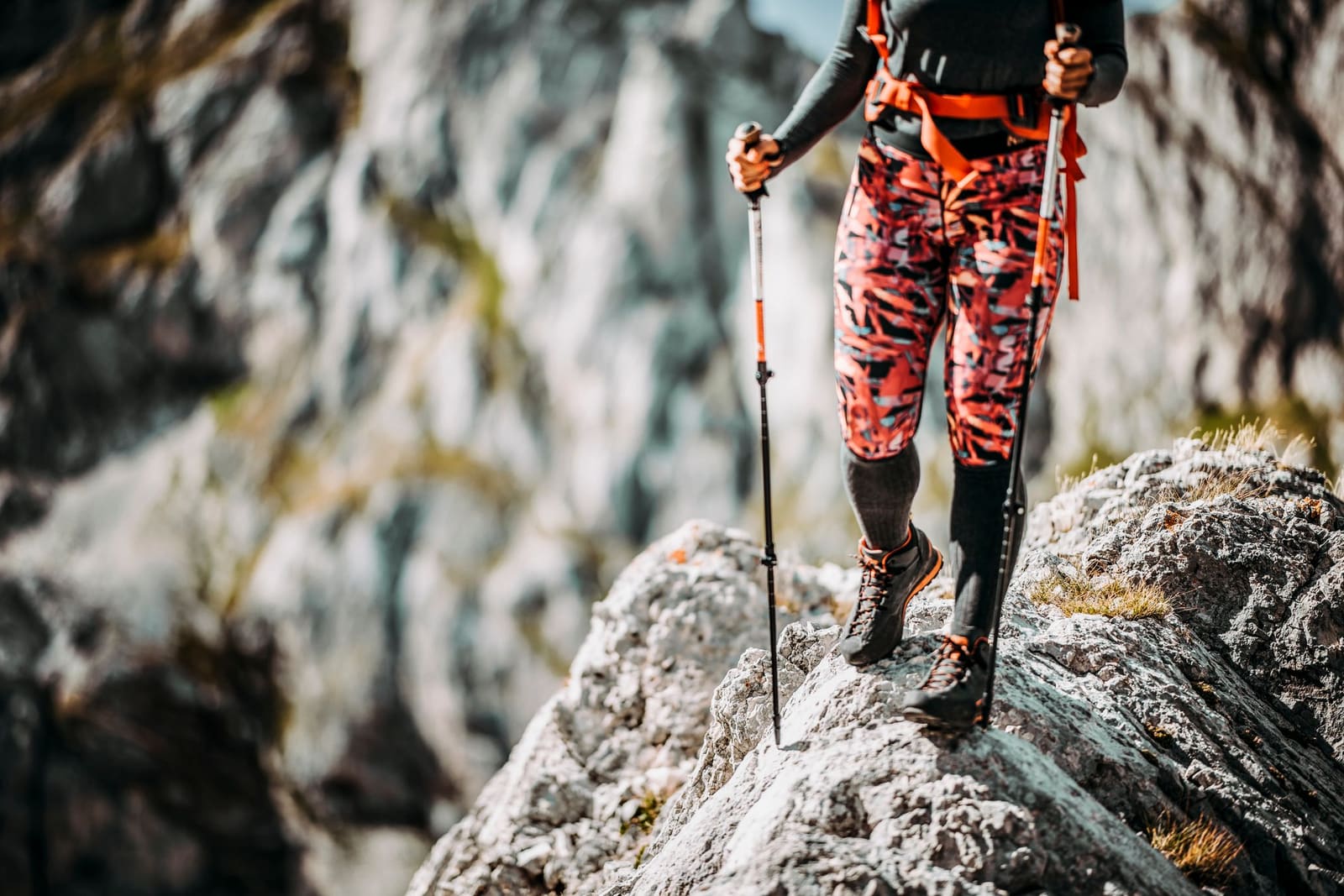
Walking with poles engages muscle groups that standard walking leaves mostly dormant. The pushing motion activates shoulders, arms, and core muscles, turning a lower-body exercise into full-body movement. According to the International Nordic Walking Federation, founded in 2000, this technique can burn up to 46 percent more calories than regular walking at the same pace.
The poles also redistribute impact away from knees and hips, a feature that matters for people with joint concerns or those returning from injury. Rather than bearing full weight on legs alone, walkers transfer some load through their arms with each stride. This makes longer distances more manageable and reduces cumulative stress on lower-body joints.
The federation developed a teaching framework called the INWA 10 Step Method to standardize instruction. The system breaks down pole placement, arm swing, and stride coordination into progressive stages, allowing newcomers to learn proper form without a steep learning curve. Certified instructors now operate in more than 40 countries, from Japan to Croatia to Australia.
A Shift in How People Approach Wellness
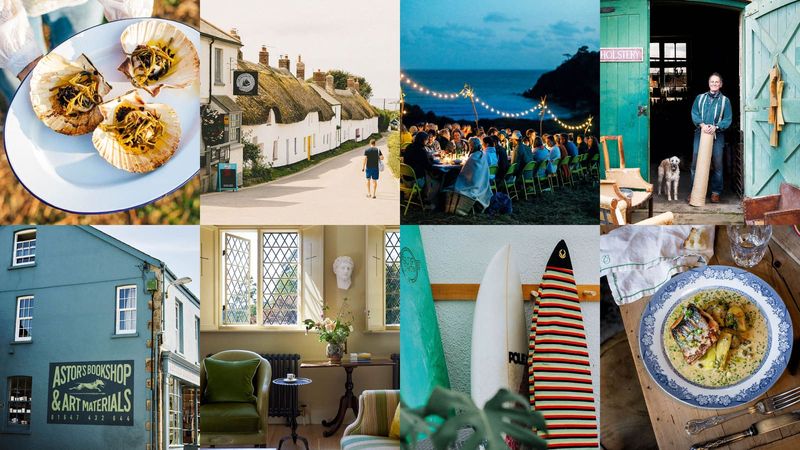
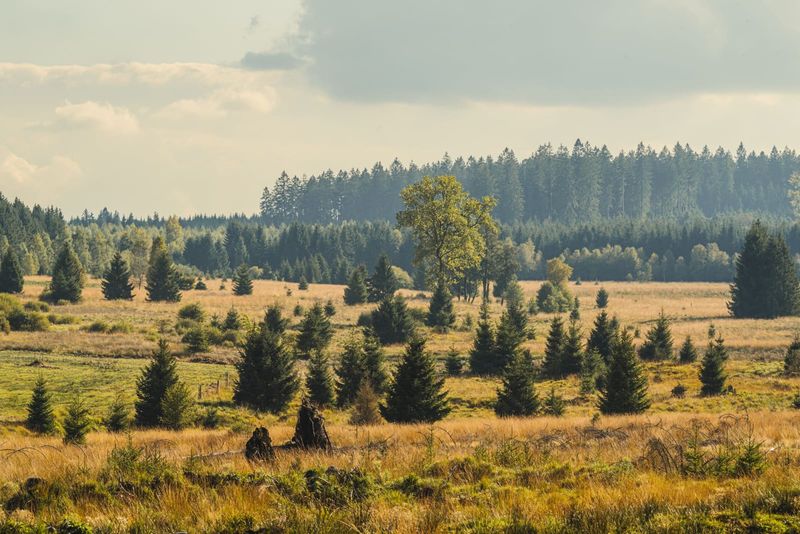
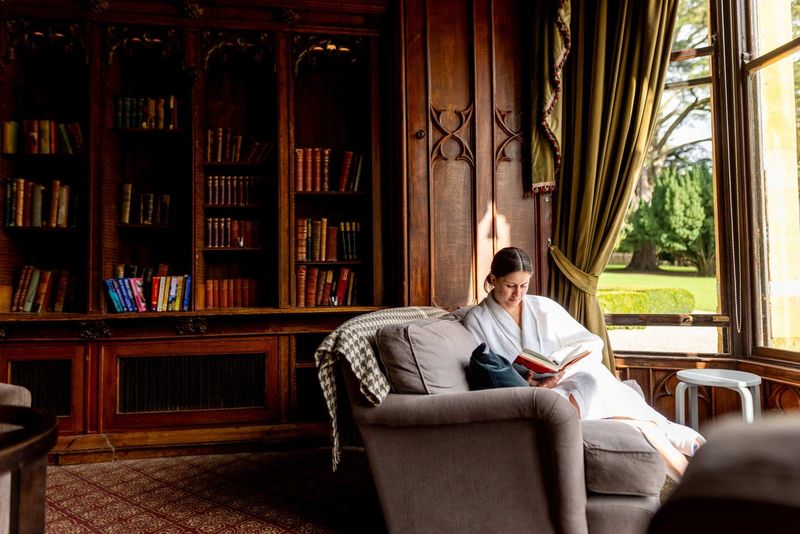
Katja Presnal, a trends analyst who spent two decades observing global lifestyle movements, recently moved from urban Finland to a century-old dairy building in the countryside. She describes the relocation as a rejection of chasing trends in favor of embedding wellness into daily routines. Her property sits near forests and lakes, terrain well-suited to walking.
Presnal notes that Nordic walking appeals to people seeking social connection as much as exercise. Group walks organized by local clubs or national associations provide structured opportunities to meet others while moving through natural settings. The activity requires minimal gear and no membership fees, lowering barriers to entry.
Aki Karihtala, president of the International Nordic Walking Federation and former head of Exel's sports division, emphasizes that the practice works across age groups and fitness levels. Competitive athletes use it for cross-training, while older adults appreciate the stability poles provide on uneven ground. The same basic technique serves both populations, with intensity adjusted through pace and terrain rather than specialized variations.
Accessibility as a Core Feature
Nordic countries mandate public access to natural areas through policies like Sweden's Allemansrätten, which grants everyone the right to walk, camp, and forage on both public and private land. This legal framework removes geographic and economic obstacles to outdoor activity, making practices like Nordic walking viable for anyone regardless of income.
Presnal points out that her childhood in the Turku archipelago included regular outdoor movement as a default rather than a curated wellness experience. The shift toward marketing Nordic lifestyles globally often repackages what locals consider ordinary routines. Her return to the countryside represents an inversion of that trend, prioritizing function over presentation.
The financial accessibility matters as much as the physical kind. A pair of Nordic walking poles costs between 50 and 150 euros, a one-time expense that provides years of use. No gym membership, specialized clothing, or facility access is required. The activity scales to available time and terrain, from a 20-minute neighborhood loop to a multi-hour trail excursion.
How to Start
The International Nordic Walking Federation hosts an annual World Nordic Walking Day each May, with events organized by member associations in dozens of countries. Local clubs often schedule group walks year-round, led by instructors certified in the INWA teaching method. These sessions provide hands-on guidance for beginners learning pole placement and stride rhythm.
For those preferring to start independently, the federation offers a list of 25 Nordic Walking Ideas on its website, ranging from themed walks to charity challenges. The basic requirement is a pair of poles and a safe walking route, whether a paved path, forest trail, or beach. Technique refinement can come later through workshops or instructional videos.
Presnal's experience suggests that the social dimension often matters as much as the physical workout. Finding a walking group or recruiting friends to join turns the activity into a recurring commitment rather than sporadic solo effort. The combination of structure and flexibility allows people to adapt the practice to their own schedules and preferences.
The growth of Nordic walking reflects broader shifts in how people think about exercise. High-intensity workouts and boutique fitness classes serve certain goals, but they exclude anyone unable to meet their physical or financial demands. A practice that works for a 25-year-old athlete and a 70-year-old retiree simultaneously addresses a wider range of needs, particularly as populations age and interest in outdoor recreation increases.