A Strategic Shift Toward Independent Hotels
Airbnb announced an agreement with Lark Hotels that will add more than 75 boutique properties to its platform, according to Lou Zameryka, the company's global head of hotel enterprise and connectivity partnerships. The move marks another step in the rental platform's effort to compete more directly with traditional hotel booking channels.
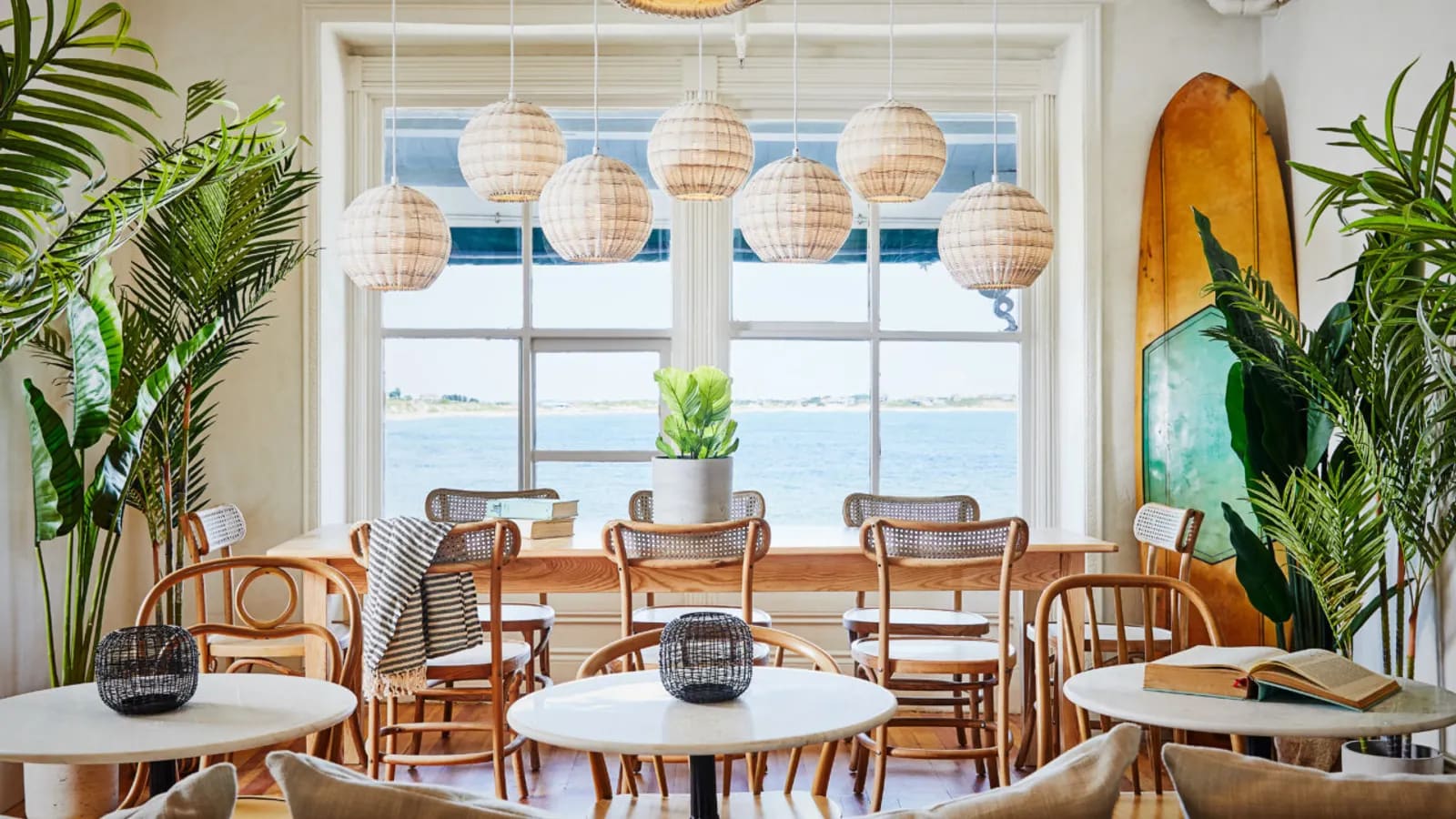
Lark operates design-focused hotels in leisure markets across the United States, including Stowe in Vermont, Asheville in North Carolina, Kennebunkport in Maine, Nantucket in Massachusetts, and the Hamptons in New York. The partnership brings the entire Lark portfolio onto Airbnb, including properties like AWOL Stowe, Blind Tiger Asheville, and the Kennebunkport Captains Collection.
The agreement follows Lark's 2024 joint venture with Life House, a hotel brand and operator, which created a combined lifestyle portfolio of roughly 100 properties. That partnership gave Lark additional scale, and now the Airbnb deal offers another distribution avenue for those properties.
Why Airbnb Wants Boutique Properties
The platform is targeting a specific type of hotel: independently operated, rooted in local design, and offering what Zameryka describes as hospitality with personality. Airbnb is not trying to list every hotel, but rather those that align with what its users increasingly seek - properties that feel distinct from cookie-cutter chains.
According to Airbnb, traveler preferences are shifting. More guests want accommodations that reflect the character of the destination, not just a place to sleep. Boutique and independent hotels, which often emphasize local aesthetics and personalized service, fit that demand better than large-scale branded properties.
The strategy also addresses a practical challenge: Airbnb's core inventory of private homes and apartments does not always meet the needs of every traveler. Business travelers, families looking for consistent amenities, or guests who simply prefer the structure of a hotel may skip Airbnb entirely if they see only residential listings. By adding hotels, the platform broadens its appeal without abandoning its original model.
Airbnb indicated in May that it plans to onboard thousands of boutique and independent hotels during the summer season. The Lark deal is part of that broader push, and Zameryka noted the company remains open to additional partnerships with hotel brands that share a similar ethos.
What Hotels Gain From the Platform
For hotel operators, listing on Airbnb offers access to a different customer base. The platform's audience skews toward leisure travelers who often prioritize unique experiences over loyalty points or corporate rates. That can be particularly valuable for boutique properties in resort or destination markets, where guests are already looking for something beyond a standard chain.
Rob Blood, founder of Lark Hotels, emphasized the distribution benefits in a statement, noting that the partnership provides owners with a more diversified channel mix and direct access to travelers who already value the type of properties Lark operates.
The arrangement also reflects a broader trend in hospitality distribution. Independent hotels have traditionally relied on a patchwork of online travel agencies, direct bookings, and regional partnerships. Airbnb's scale - hundreds of millions of users - offers visibility that smaller operators would struggle to achieve on their own.
Still, the partnership is not without trade-offs. Airbnb takes a commission on bookings, and hotels must weigh that cost against the incremental revenue the platform generates. For properties that already have strong direct booking channels or relationships with other online travel agencies, adding another intermediary may dilute margins. But for hotels seeking exposure in new markets or looking to fill rooms during slower periods, the calculus may be different.
A Broader Bet on Hospitality Diversity
Airbnb's hotel push is part of a longer-term evolution. The platform built its brand on the idea of staying in someone's home, but it has gradually added more commercial inventory, including vacation rentals managed by professional hosts and now hotels. The shift reflects both opportunity and necessity: as the company matures, it needs to serve a wider range of travel needs to sustain growth.
The emphasis on boutique properties, rather than large chains, suggests Airbnb is trying to maintain some of its original brand identity while expanding. A Marriott or Hilton would bring volume, but it would also blur the line between Airbnb and traditional booking sites like Expedia or Booking.com. By focusing on independent hotels with distinct design and local ties, Airbnb can argue it is still offering something different.
Whether that strategy resonates with travelers will depend on execution. If the hotel listings feel like a natural extension of Airbnb's existing inventory - curated, distinctive, and tied to place - they could strengthen the platform. If they feel like generic filler or simply replicate what is already available elsewhere, the effort may not move the needle.
For now, the Lark partnership gives Airbnb a foothold in a segment of the market that aligns with its brand. And for Lark, it opens a new distribution channel at a time when independent hotels are competing for attention in an increasingly crowded field.