A Labor Crunch in the Twin Cities
Allegiant is pulling back service from Minneapolis-St. Paul International Airport after a string of junior pilots left for Delta Air Lines. The attrition is concentrated among crew based in the Twin Cities, where both carriers operate and where Delta maintains one of its largest Midwest hubs.
Greg Anderson, Allegiant's CEO, acknowledged the trend during an earnings call this week. He described the departures as temporary but significant enough to warrant immediate schedule adjustments. The airline plans to reduce off-peak flying out of the region while it stabilizes staffing levels.
The dynamic underscores a familiar tension in aviation labor markets: budget carriers train pilots who then move to legacy airlines offering higher pay, better schedules, and more predictable career paths. For Allegiant, which competes on thin margins and operates point-to-point leisure routes, losing crew in a key market forces operational compromises.
Why Minneapolis Matters
Minneapolis-St. Paul is not Allegiant's largest base, but it sits in Delta's backyard. Delta operates hundreds of daily flights through the airport, making it a natural magnet for pilots seeking to upgrade from ultra-low-cost carriers. The proximity creates a structural challenge: Allegiant must staff routes in a city where a higher-paying competitor is always hiring.
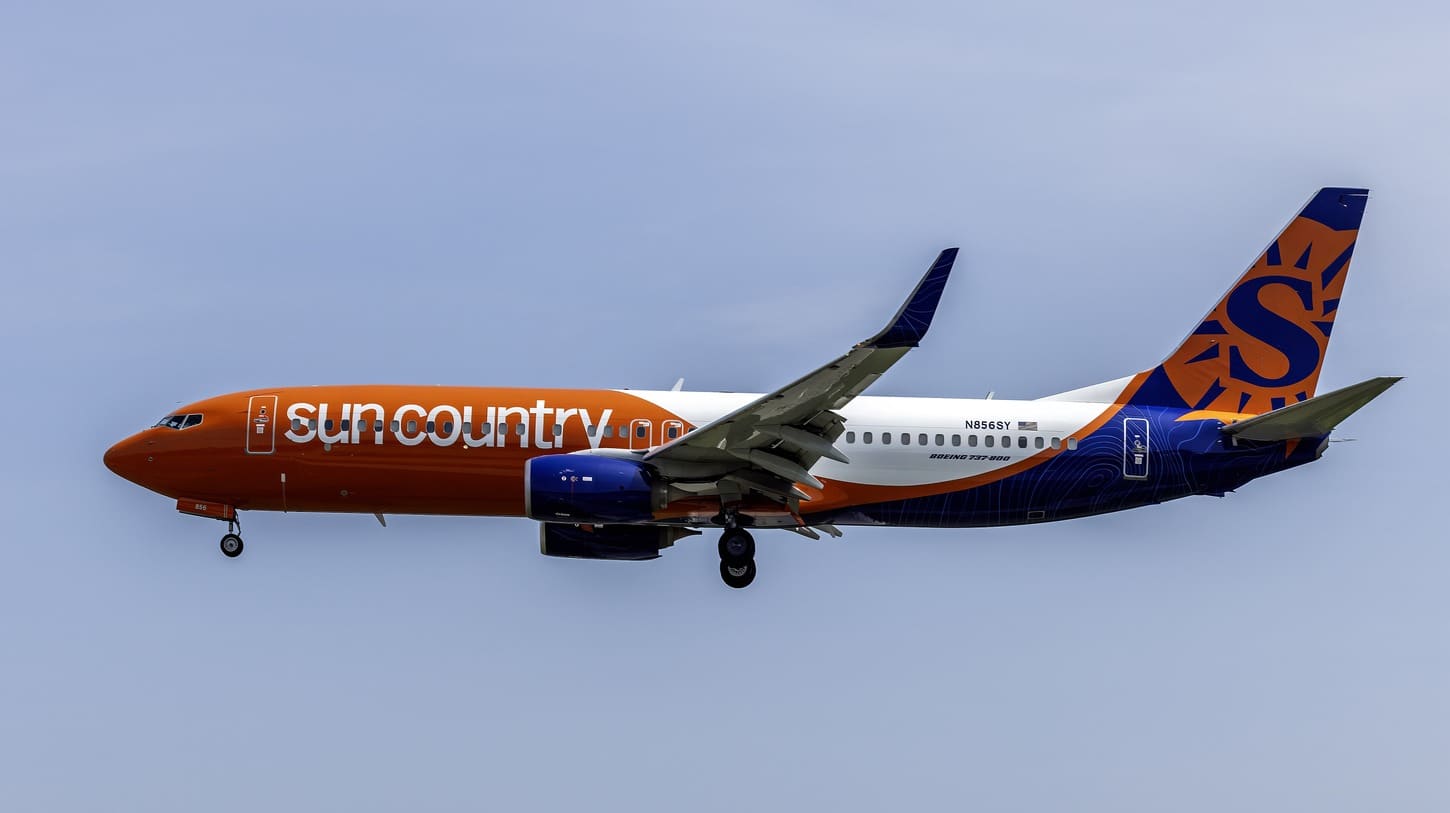
The timing is awkward. Allegiant recently completed its acquisition of Sun Country Airlines, another Minneapolis-based carrier. The merger was expected to strengthen Allegiant's position in the Twin Cities, but pilot attrition complicates integration efforts. Joint collective bargaining and seniority-list integration are still pending, and uncertainty around those processes may be pushing some pilots to explore options elsewhere.
Anderson framed the attrition as manageable, noting that Allegiant has multiple pilot bases and can redistribute flying to other markets. Still, cutting off-peak flights suggests the airline does not expect the issue to resolve quickly. Off-peak reductions typically mean fewer weekend or midweek departures, the kind of flexibility that leisure travelers value but that airlines can trim without abandoning a market entirely.
The Broader Pilot Market
Allegiant's predicament reflects broader shifts in airline labor. Pilot hiring surged across the industry over the past two years as carriers rebuilt post-pandemic capacity. Legacy airlines, flush with cash and eager to expand, have been especially aggressive. Delta, United, and American have all raised pay and improved quality-of-life provisions to attract and retain crew.
Budget carriers, meanwhile, face a harder pitch. They often pay less, offer narrower career progression, and operate schedules that can be grueling. For a junior pilot, the calculus is straightforward: a few years at Allegiant or Sun Country can provide the flight hours needed to land a job at Delta, where pay scales are higher and bases more diverse.
The churn is costly. Training a new pilot takes months and tens of thousands of dollars. When a newly trained pilot leaves, the airline absorbs the expense without the long-term return. For Allegiant, which operates on some of the industry's tightest cost margins, that dynamic erodes profitability.
What Comes Next
Allegiant has not disclosed how many pilots have left or how long the flight reductions will last. Anderson suggested the airline is working through the issue and expects attrition to normalize, but he offered no timeline. The carrier is also navigating the complexities of integrating Sun Country's workforce, a process that could take months or longer.
In the meantime, passengers flying out of Minneapolis on Allegiant may see fewer options, particularly during off-peak travel windows. The airline has not announced specific route cancellations, but reduced frequency typically means fewer choices and higher fares on remaining flights.
The episode is a reminder that airline competition plays out not just in ticket prices and route maps, but in labor markets. Where carriers overlap geographically, the one offering better terms wins crew. For Allegiant, that means defending its turf in Minneapolis while competing against a much larger rival with deeper pockets.