Scaling Back Amid Cost Pressure
Wizz Air announced Thursday that it would reduce planned aircraft deployment during the latter half of its financial year, trimming targets by five per cent as jet fuel prices continue climbing. The decision comes even as the budget airline reported better summer ticket sales than anticipated, prompting an upward revision to its short-term revenue forecast.
Shares rose 3.4 per cent to 985.5 pence in morning trading in London.
The cut reflects broader turbulence across the aviation sector, where carriers of all sizes are grappling with fuel expenses that have climbed sharply since war broke out between the United States and Iran. Industry analysts describe the cost shock as the most severe since the pandemic shuttered global air traffic in 2020.
First Casualty in Europe
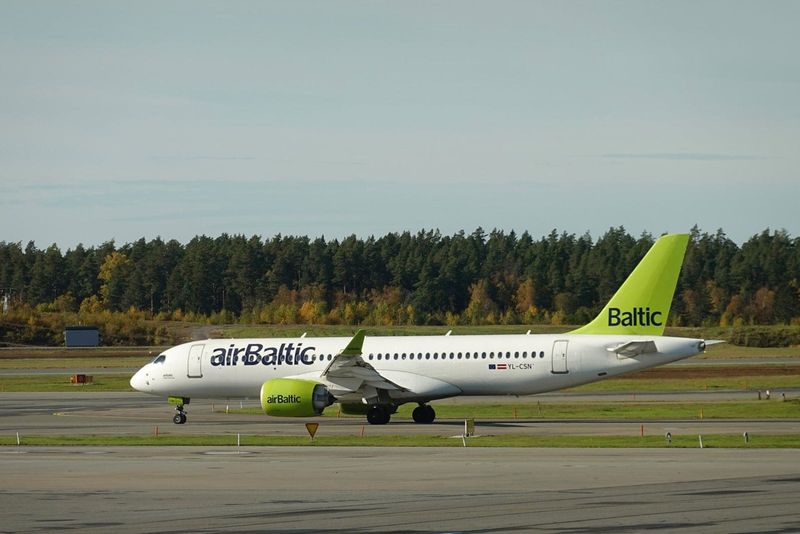
The impact has already claimed one European airline. airBaltic, Latvia's flag carrier, filed for bankruptcy protection earlier this week, becoming the first operator in the region to seek court shelter due to the conflict. The airline framed the move as a strategic step to shore up its finances and emerge more efficient, assuring passengers that existing tickets remain valid.
Low-cost carriers, whose thin margins depend on keeping fares competitive, have felt the squeeze more acutely than full-service airlines. Yet even legacy carriers in the United States have begun paring schedules as fuel costs threaten profitability.
Hedging Provides a Buffer
Wizz Air enters this downturn with some advantages. The airline holds more than €2.2 billion in liquidity and has locked in fuel hedges covering 80 per cent of its needs over the next year, at roughly half the prevailing market rate. That cushion gives it breathing room that many competitors lack.
Looking further ahead, the company laid out targets for fiscal 2030 that include €10 billion in annual revenue, a 10 per cent margin on earnings before interest and tax, a fleet of 335 aircraft, and passenger volumes reaching 127 million a year. The airline currently operates 269 aircraft and carried 69.7 million passengers in fiscal 2026.
Revenue Per Seat Holds Steady
Ahead of its capital markets presentation on Thursday, Wizz upgraded its forecast for revenue per available seat kilometre during the second quarter, a standard industry yardstick. The metric is now expected to match last year's figure, an improvement from the earlier projection of a modest decline.
Analysts at Goodbody Stockbrokers welcomed the revision, noting that firmer pricing is especially encouraging given the rapid pace at which Wizz has been adding seats to the market.
Rival Ryanair also adjusted its outlook upward last week, saying average fares could edge higher this winter following what it described as a mild upturn since July. That forecast, however, remains closely tied to the trajectory of oil prices.
What It Means for Travellers
The pullback in available seats could translate to less downward pressure on fares, particularly on routes where Wizz and other budget airlines have been competing aggressively. Travellers who have grown accustomed to rock-bottom prices may find fewer deals as carriers prioritise margin over volume.
At the same time, the hedging strategies employed by airlines like Wizz mean that ticket prices may not rise as steeply or as quickly as fuel costs themselves. The lag offers a window of relative stability, though how long that lasts depends on how the geopolitical situation unfolds and whether oil markets stabilise.
For now, the industry is in a holding pattern, trimming ambitions while waiting to see whether the cost spike proves temporary or marks a more lasting shift in the economics of budget flying.