A Shared Framework for Curiosity-Led Travel
National Geographic Expeditions and G Adventures have introduced 30 new or updated itineraries for departures through 2027 and 2028. The tours are built around direct encounters with researchers, conservationists, and regional specialists rather than standard sightseeing loops. Twenty-four fall under the National Geographic Journeys banner, while six are designed as family-oriented trips open to children as young as seven.
The approach leans on National Geographic's editorial and scientific networks alongside G Adventures' operational footprint in community-based tourism. Itineraries range from eight to twelve days and cover the Galápagos, the Amazon, the Loire Valley, Central Europe's Christmas market circuit, and mainland Southeast Asia.
Wildlife Access in the Galápagos
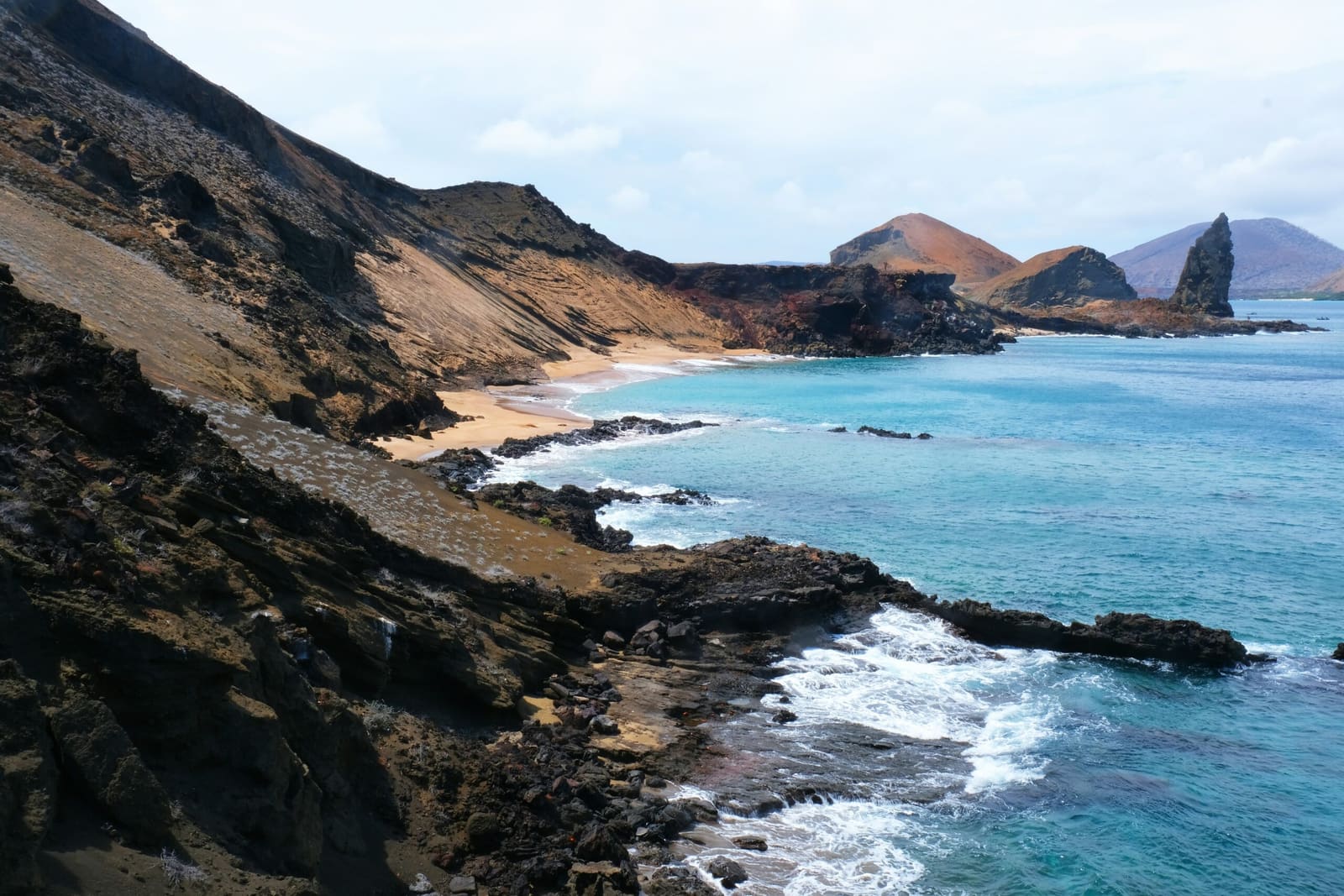
The eight-day Galápagos itinerary centres on fieldwork rather than passive observation. Travellers meet conservation teams working on habitat restoration, visit the Charles Darwin Research Station to speak with researchers, and join boat excursions led by naturalists. The station has operated since 1964 as a hub for scientific collaboration with Ecuador's Galapagos National Park Directorate.
Side activities include guided visits to an organic farm focusing on native crops and snorkelling off uninhabited islands. The structure prioritises small-group interaction with on-site scientists over large vessel cruising.
Family Trips with Educational Components
The nine-day Peru Family Journey combines rainforest wildlife with Inca archaeology. Open to children aged seven and older, the trip includes guided exploration of Machu Picchu followed by night excursions in the Amazon to observe nocturnal species. Families also visit the Cusco Planetarium for southern hemisphere sky observation.
In Southeast Asia, the 12-day family itinerary moves from Hanoi to Siem Reap through Vietnam and Cambodia. Activities include Ha Long Bay cruising, Vietnamese cooking workshops, noodle-making sessions, and a circus skills workshop with Phare, a Cambodian performing arts organisation. The emphasis on cooking reflects a broader trend in family travel toward participatory cultural activities rather than passive museum visits.
Seasonal and Regional Tours in Europe
A Christmas-focused itinerary links Prague, Bratislava, and Budapest with a day trip to Vienna. The eight-day route includes a Czech cooking class, a Danube dinner cruise, and a chocolate-making workshop. The tour is timed to coincide with Central Europe's Christmas market season, which draws millions of visitors annually but often lacks structured educational programming.
For wine-focused travellers, an eight-day Loire Valley and Bordeaux itinerary features visits to châteaux including Chenonceau, guided by a local historian. Wine tastings are scheduled in the vineyards of the Cher Valley and the underground cellars of Saint-Émilion. The aim is to connect viticulture with regional history rather than treating wine as a standalone product.
What Sets These Apart
The new itineraries share a few structural features. Most include at least one visit to a research site, farm, or workshop run by local specialists. Group sizes are kept small to allow for direct conversation with guides and hosts. Accommodations and transport are arranged to reduce logistical friction for families travelling with children or older adults.
The partnership draws on National Geographic's archive of field contacts and G Adventures' experience in managing small-group logistics in regions where infrastructure can be uneven. That combination allows for access to sites such as active research stations or working farms that are not typically open to walk-in visitors.
Broadening the Definition of Adventure
Not all the new trips involve remote wilderness. The Christmas market tour and the Loire Valley itinerary are designed for travellers who want structured cultural immersion without long-haul flights or physically demanding activities. That reflects a shift in how tour operators define adventure travel, moving away from extreme sports or backcountry trekking toward intellectual curiosity and regional engagement.
The focus on cooking, wine, and seasonal traditions also signals an effort to capture travellers who might not identify as adventurous but are looking for something more involved than a standard city break. Food and craft workshops offer a tactile entry point into regional culture without requiring language fluency or prior knowledge.
Practical Considerations
Bookings are open for early 2027 departures. Pricing has not been disclosed, though both operators have historically positioned their joint itineraries in the mid-to-upper range of small-group tours. Guaranteed departures and 24/7 support are included across the collection.
The trips are designed to support local economies through direct engagement with regional guides, family-run farms, and small-scale producers. That model aligns with broader industry efforts to shift tourism revenue toward host communities rather than international hotel chains or cruise operators.
For families, the age thresholds matter. The Peru trip requires children to be at least seven, while the Southeast Asia itinerary is open to younger participants depending on activity intensity. Parents weighing these options will need to consider not just interest but stamina, particularly on multi-day jungle excursions or heritage site visits in high heat.
A Template for Partnership Models
The collaboration between a media brand and a tour operator is not new, but the scale and consistency of this collection suggest it is evolving into a durable model. National Geographic brings editorial credibility and a network of field experts; G Adventures provides operational infrastructure and community relationships. The result is a set of itineraries that feel less like packaged tours and more like structured field assignments.
Whether that model can scale without diluting the local access that defines it remains to be seen. For now, the 30 itineraries represent a clear bet that travellers are willing to pay for expert-led, small-group encounters over generic sightseeing. The test will be whether the experience lives up to the promise once the first groups return.