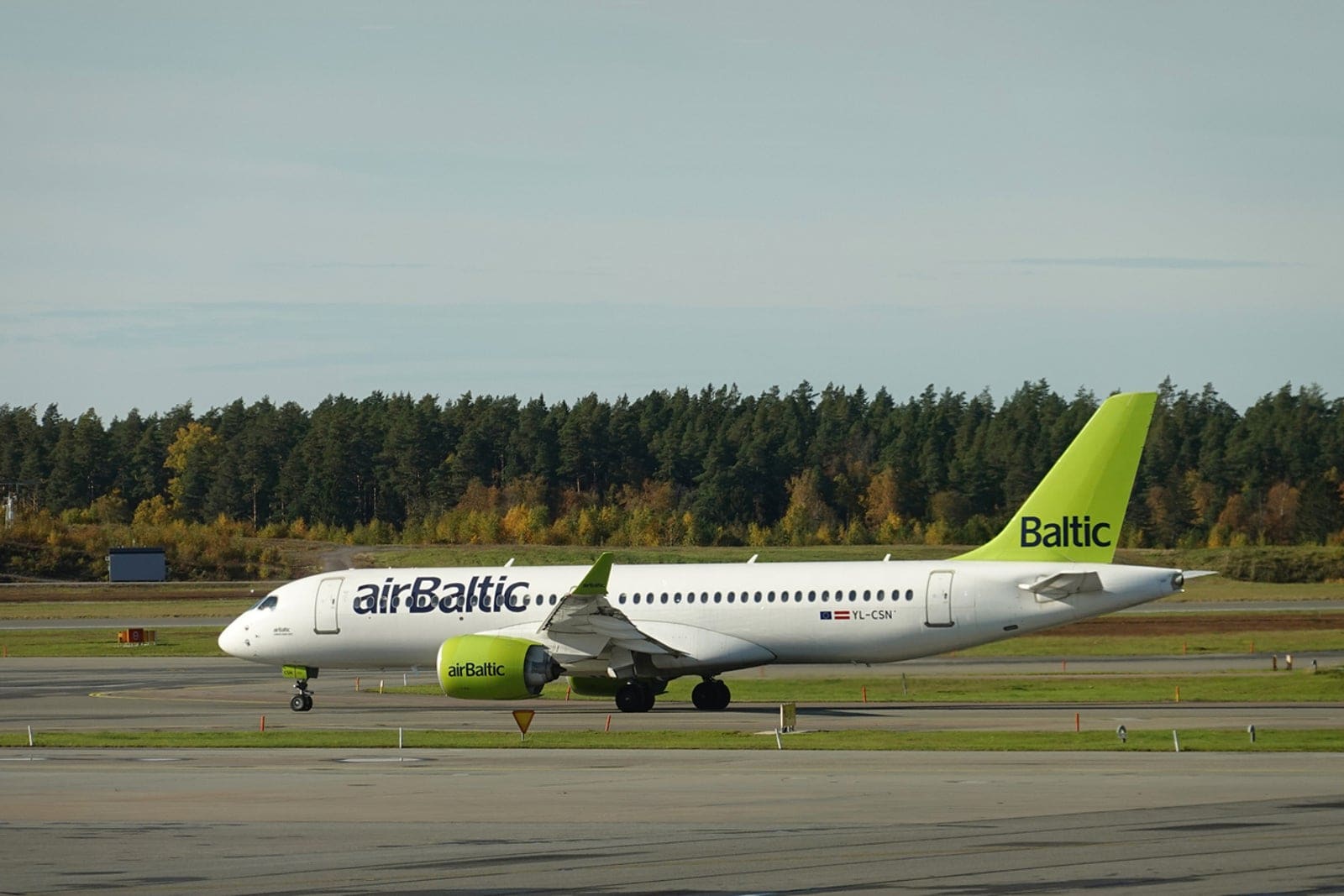
A Voluntary Restructuring Move
Latvia's flag carrier airBaltic filed for Chapter 11 bankruptcy protection in the United States on 14 September, a legal mechanism that allows companies to continue trading while reorganising their debt. The airline emphasised that the filing was voluntary and strategic rather than a forced closure, describing it as part of broader efforts to stabilise finances and streamline operations.
According to airBaltic, passengers holding tickets need take no action. The carrier has committed to honouring all bookings and maintaining its existing timetable without changes to aircraft deployment, crew schedules, or service standards. Erno Hildén, the airline's president and chief executive, said the restructuring process would be invisible to travellers, with the company continuing to sell seats and plan future routes while implementing a new business plan behind the scenes.
The airline secured a commitment for €350 million in financing to sustain liquidity throughout the Chapter 11 process. That funding is intended to cover operational costs and provide a buffer as the company negotiates with creditors and reworks its financial obligations.
Why a Latvian Airline Filed in the US
Chapter 11 is a well-established tool in American bankruptcy law, designed to give companies breathing room to reorganise rather than liquidate. It has become increasingly popular with non-US firms because it offers a predictable legal framework, strong creditor protections, and the ability to continue operations during restructuring. Airlines in particular have used Chapter 11 repeatedly; major US carriers including American, Delta, and United have all emerged from the process in the past two decades.
For airBaltic, filing in the United States rather than Latvia or elsewhere in Europe likely reflects confidence in the US court system's experience with aviation cases and the desire to access international capital markets. The €350 million financing package would have required assurances to lenders that the restructuring would follow a tested legal path.
The move does not mean airBaltic is abandoning its European base or shifting operations westward. The airline remains headquartered in Riga and continues to serve the Baltic region as its core market. Chapter 11 is simply the legal venue for the financial workout.
Current Operations and UK Connectivity
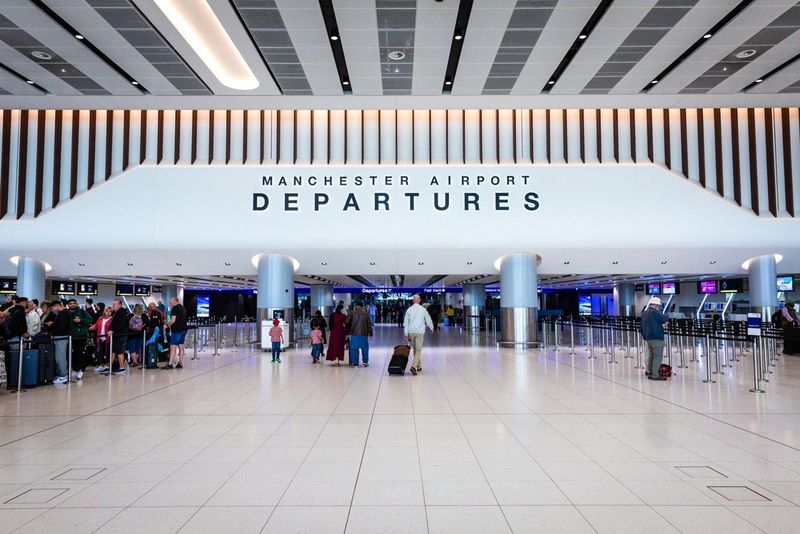
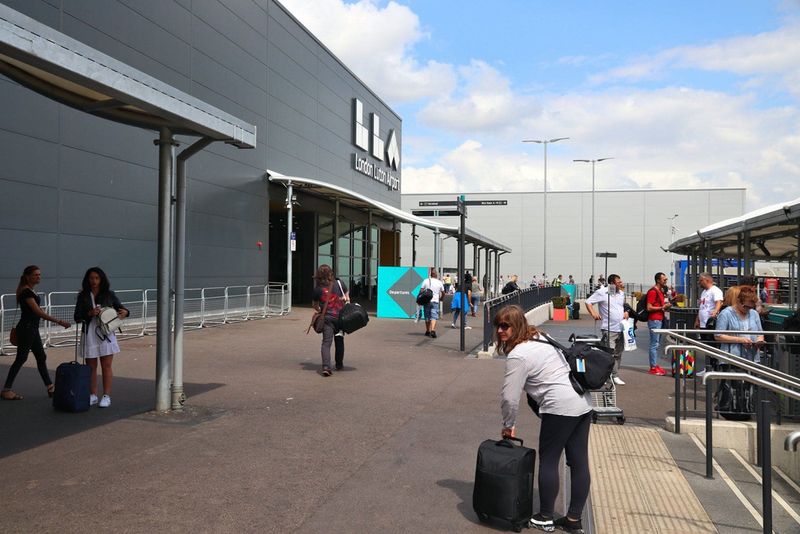
AirBaltic operates direct flights from three UK airports to the Baltic capitals. London Gatwick, London Heathrow, and Manchester all have services to Riga, with onward connections to Tallinn in Estonia and Vilnius in Lithuania. These routes serve both business travellers and leisure passengers, particularly those visiting family or exploring the Baltic region.
In August, the airline carried 554,700 passengers across its network, a five per cent increase year on year. That growth suggests underlying demand remains healthy, even as the carrier grapples with financial pressures. The increase aligns with broader trends in European short-haul travel, where lower fares and expanded route networks have driven traffic growth despite economic uncertainty.
For the summer 2027 season, airBaltic plans to operate 57 direct destinations from Riga, 13 from Tallinn, and eight from Vilnius. Those plans indicate the airline is not retrenching its network footprint during the restructuring. Instead, it appears to be betting that a leaner cost structure will make the existing network profitable.
The Broader Context for European Carriers
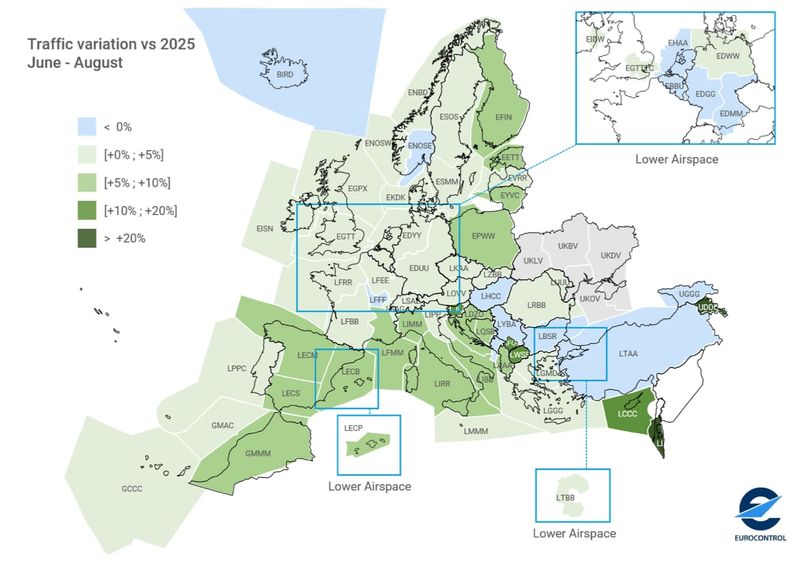
AirBaltic's restructuring arrives at a moment when many European airlines are navigating a complex operating environment. Fuel costs remain elevated compared with pre-2020 levels, labour shortages have driven up wage bills, and airport fees have risen as hubs invest in infrastructure. At the same time, competition from low-cost carriers and legacy airlines has kept fares under pressure, squeezing margins.
For smaller national carriers, the challenge is particularly acute. AirBaltic competes with Ryanair, Wizz Air, and other budget airlines on many routes, while also facing pressure from Lufthansa Group and Scandinavian carriers on business-oriented segments. Without the scale of a major European airline group, smaller operators must find niches or operational efficiencies to survive.
The Baltic region presents both opportunities and constraints. The three Baltic capitals have growing economies and increasing business ties to Western Europe, generating demand for air links. But the region's relatively small population limits the size of the home market, forcing airBaltic to rely heavily on connecting traffic and inbound tourism. That dependence on transfer passengers makes the airline vulnerable to shifts in broader European travel patterns.
Chapter 11 offers airBaltic a chance to renegotiate contracts, potentially exit unprofitable routes, and shed debt without the immediate threat of liquidation. Whether the airline emerges stronger will depend on how effectively it can cut costs without undermining service quality or network connectivity.
What This Means for Passengers
For travellers with airBaltic bookings, the immediate impact should be minimal. The airline has stressed that flights will operate as scheduled, and the €350 million in committed financing should provide enough runway to maintain operations through the restructuring period. Tickets remain valid, and the airline continues to sell seats for future travel.
However, passengers should monitor the situation, particularly those holding tickets for travel further out. While Chapter 11 is designed to allow continued operations, restructuring processes can take unexpected turns. If negotiations with creditors stall or if traffic falls short of projections, the airline could be forced to scale back its network or seek additional concessions.
Travel insurance that covers airline insolvency may offer some protection, though policies vary widely in what they cover. Passengers booking new tickets might consider using credit cards, which often provide chargeback rights if a service is not delivered.
The restructuring also raises questions about the long-term viability of smaller national carriers in Europe. AirBaltic is not the first to face financial strain, and it likely will not be the last. As consolidation continues and low-cost carriers expand, the space for mid-sized airlines with limited scale is shrinking. Whether airBaltic can carve out a sustainable niche will be a test case for similar carriers across the continent.
Looking Ahead
AirBaltic's decision to pursue Chapter 11 reflects both the pressures facing European aviation and the strategic options available to airlines willing to use international legal tools. The outcome will depend on the airline's ability to execute its business plan, maintain passenger confidence, and secure the financial flexibility it needs to compete.
For now, the carrier is betting that transparency and continuity will reassure travellers. By filing voluntarily and securing financing upfront, airBaltic has signalled that it intends to emerge from this process as a going concern, not a cautionary tale. Whether that confidence is justified will become clear in the months ahead.