A Rapid Expansion in Numbers and Spending
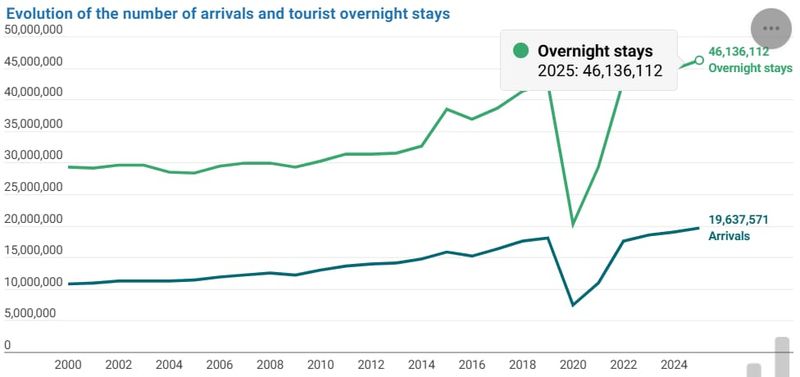
Between January and August 2026, Uzbekistan recorded 9.1 million international arrivals, a 21.1 per cent increase on the same period in 2025, according to the Uzbekistan Tourism Committee. Service exports climbed 53.5 per cent to $4.6 billion, underlining the sector's growing economic weight.
Average spend per visitor has more than doubled over the past nine years. In 2017, tourists spent an average of $197; this year that figure reached $503, according to Oybek Hakimov, adviser to the chairman of the Tourism Committee. The jump reflects longer stays and broader itineraries, as travellers venture beyond the well-trodden circuit of Tashkent, Samarkand, Bukhara and Khiva.
The government's stated aim is to welcome 20 million visitors before 2030. To support that ambition, Uzbekistan is building out accommodation capacity, with a goal to double the stock of four- and five-star hotels and reach 95,000 rooms nationwide. Between January and July, 705 new lodging providers opened, bringing the total to more than 7,440 registered facilities with capacity for 202,000 guests.
Infrastructure Moving at Speed
Transport upgrades are central to the strategy. In May, Uzbekistan launched the Jaloliddin Manguberdi high-speed rail service linking Tashkent and Khiva, cutting the journey time from 14 hours to seven. Road improvements and expanded air connectivity are also under way, funded in part by master plans worth approximately 950 billion soums this year.
Visa procedures have been streamlined to reduce friction at the border, a shift that appears to be paying off in source-market diversification. Arrivals from China and Malaysia more than doubled in the first eight months of the year, while Japan sent 50 per cent more visitors than in the same period of 2025. European arrivals also grew, with Germany up 25 per cent and both France and the United Kingdom rising 21 per cent, according to the Tourism Committee.
Beyond the Silk Road Cities
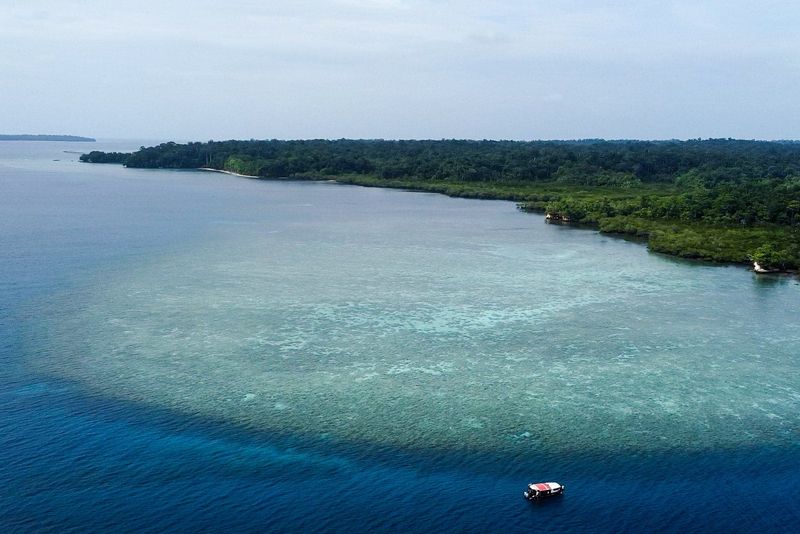
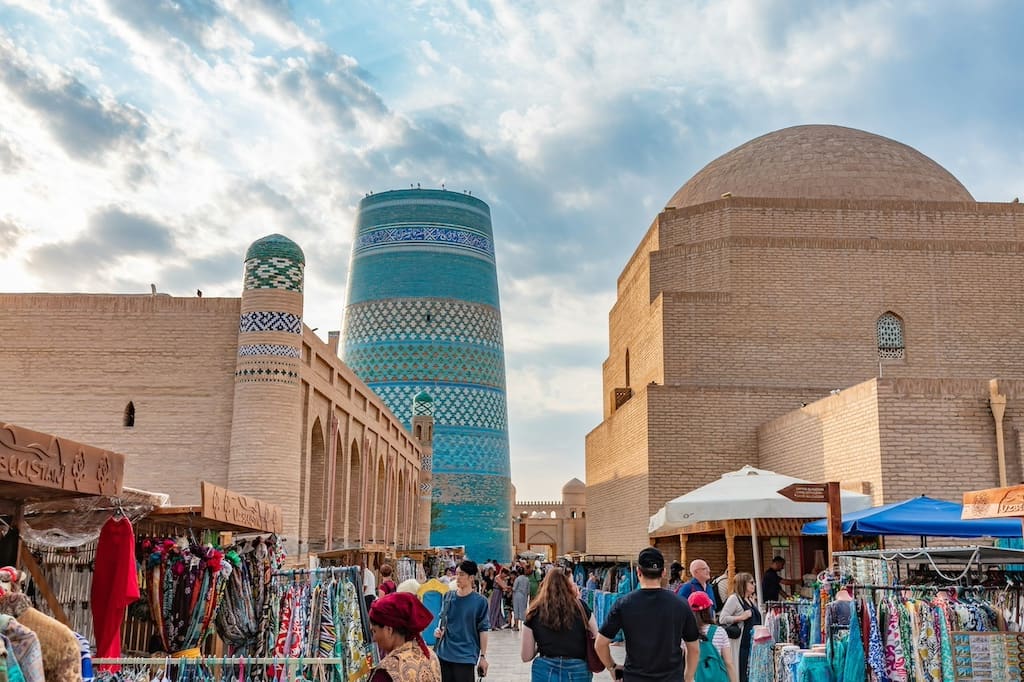
Uzbekistan's historical pull has long been its Silk Road heritage, but the country is now marketing a wider range of experiences. The Fergana Valley, Kashkadarya, Surkhandarya, Muynak and Nukus are all seeing increased interest, driven by architecture, ecotourism, gastronomy and pilgrimage routes.
The government is also targeting the meetings and events sector. A tax incentive allows organisers of approved conferences, forums and exhibitions to recover 50 per cent of value-added tax on qualifying expenses, a measure designed to position Uzbekistan as a regional hub for corporate gatherings, medical tourism and sports events.
The Balancing Act Ahead
Rapid growth brings its own pressures. Doubling hotel stock and tripling visitor numbers in less than a decade will test labour supply, service standards and the resilience of heritage sites that were never designed for mass visitation. The shift from a concentrated itinerary to a dispersed one may ease congestion in Samarkand and Bukhara, but it also means infrastructure and training must reach smaller cities and rural areas.
The spending data is encouraging for local economies, yet much depends on how that money flows. If most visitors book through international platforms or stay in foreign-owned chains, the benefits may not reach smaller operators or regional communities. Uzbekistan's ability to build a tourism sector that is both large and broadly distributed will shape whether the 20-million target translates into sustained prosperity or simply higher throughput.