A Ten-Day Window into England's Past
From 11 to 20 September, visitors can walk through the doors of more than 6,000 historic sites across England without paying admission. Heritage Open Days, the country's largest festival dedicated to history and culture, opens buildings that are often ticketed or typically closed to the public.
The initiative began in 1994 with a straightforward goal: make historical sites easier to visit. Now in its fourth decade, the festival has grown into a sprawling celebration that draws on the efforts of over 44,200 volunteers and 2,500 organisers who ran 5,879 events last year alone.
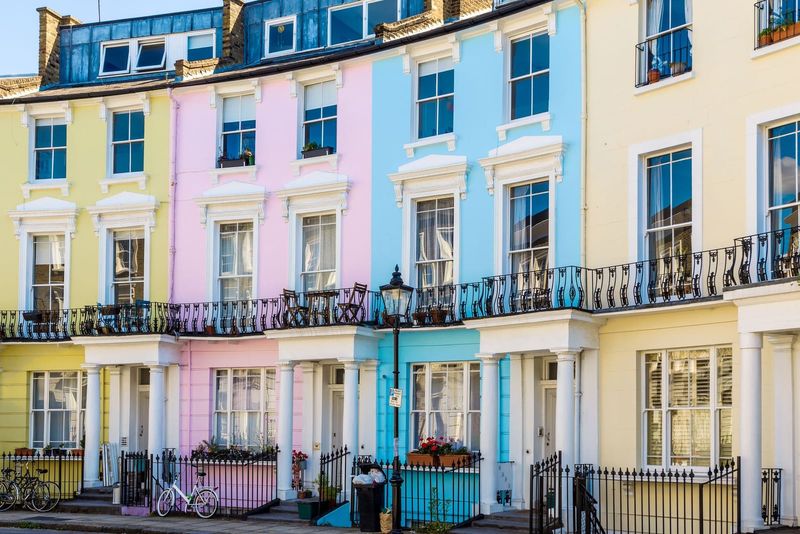
This year's theme, "Everyday Histories," shifts the spotlight away from grand narratives and towards the smaller, more personal stories embedded in local places. The idea is to reveal how ordinary people shaped the spaces around them, whether that's a market hall, a railway station or a neighbourhood museum.
What's on Offer
The range of venues participating is wide. Flagship events include Norwich Cathedral, Manchester's People's History Museum, Newcastle's Grainger Market, the National Trust's Killerton estate in Devon and the Guards Museum in London. But the festival extends far beyond these anchors.
In Leeds, visitors can watch the British Library's robotic retrieval cranes haul books and manuscripts from storage. Bletchley Park is running an interactive family day where participants take on the role of wartime recruits. Wigan Athletic is offering free match tickets, and the Sikh Museum Northampton, along with SGSS Gurdwara, will host a traditional langar lunch open to all.
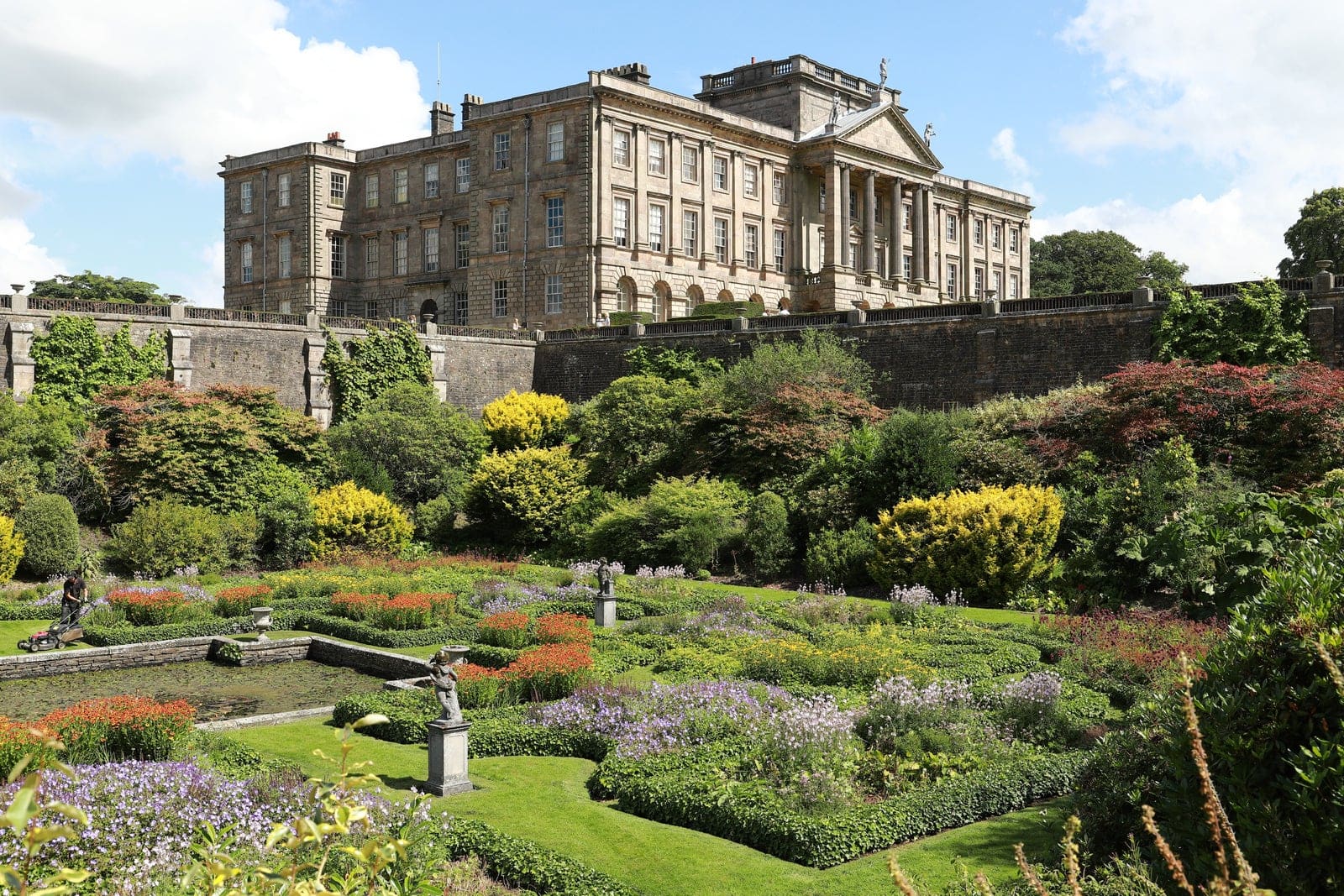
Hundreds of National Trust properties are also participating, including Cliveden House, Beningbrough Hall and Lindisfarne Castle. These sites will open their doors on select days during the festival period. It's worth noting that the National Trust founded Heritage Open Days, but the festival now includes many venues that operate independently of the organisation.
Why It Works
The festival's scale is part of its appeal. With events scattered across England, most people live within reach of at least one participating site. That proximity matters. According to Annie Reilly, the National Trust's audience and engagement director, the festival helps people "discover the places around them in new and often surprising ways."
The emphasis on local access also builds a different kind of relationship with heritage. When history feels less like a distant subject and more like something rooted in familiar streets, people tend to engage with it differently. Reilly suggests that this shift from curiosity to connection can eventually lead to a stronger sense of care and action.
The model appears to be resonating with younger visitors. Over the past year, more than 50,000 people aged 18 to 25 joined the National Trust, marking a record intake for that age group. While that figure reflects broader membership trends rather than Heritage Open Days alone, it signals a growing interest in heritage spaces among a demographic often assumed to be disengaged.
Making the Most of the Festival
The ten-day window is short, so planning ahead helps. Many events require advance booking, especially those with limited capacity or guided tours. Some properties open only on specific days within the festival period, so checking schedules is essential.
The festival's website lists all participating venues and events, searchable by location and type. For those who prefer spontaneity, dropping into a local site on the day can work, but popular venues fill quickly.
Heritage Open Days runs until 20 September. Whether you're drawn to architecture, social history or simply curious about a building you've walked past a hundred times, the next ten days offer a rare chance to step inside.