A New Identity Beyond the Shadow
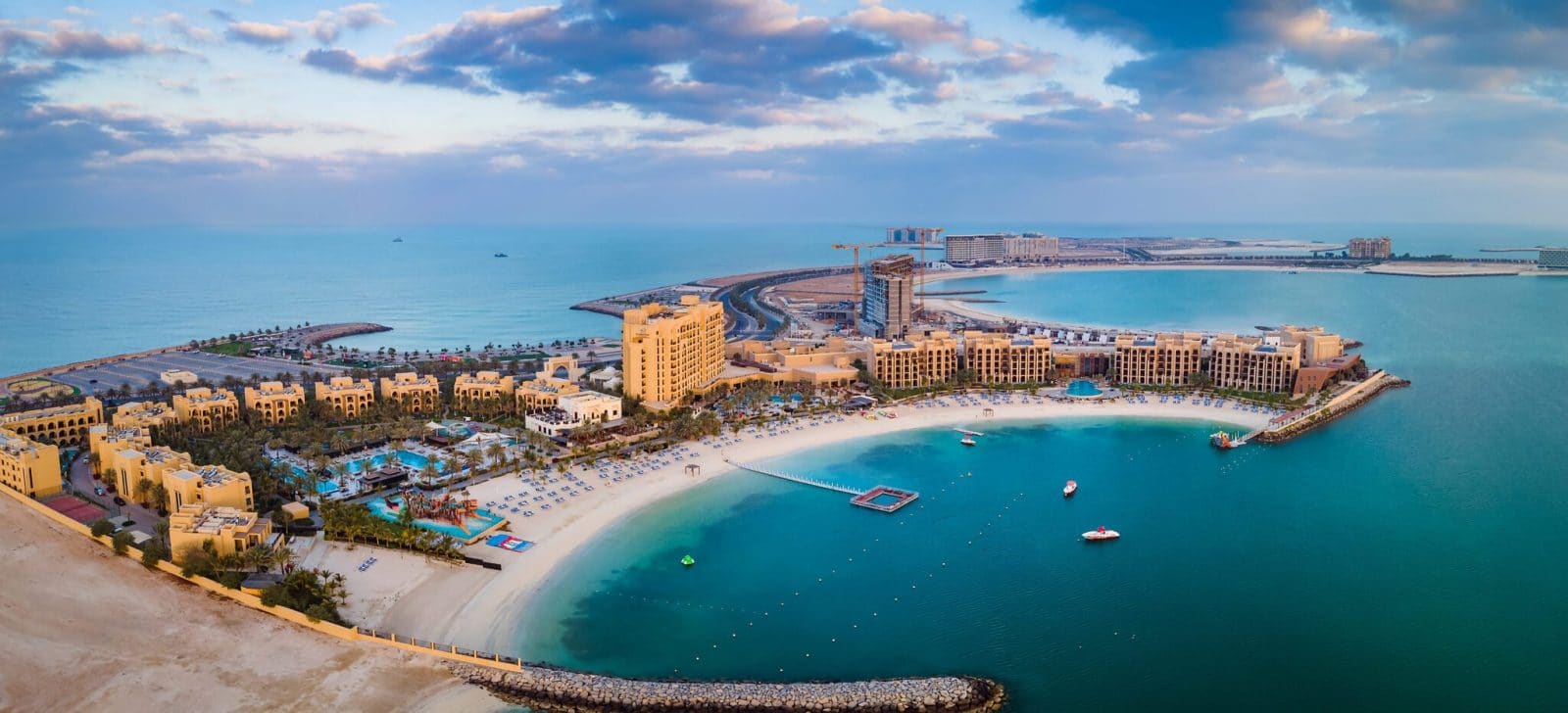
Ras Al Khaimah has spent years being known, at least among Indian travelers, as the place you go when Dubai feels too expensive. That reputation is about to change. The emirate is preparing to relaunch its brand positioning in India in early 2027, according to Phillipa Harrison, CEO of Ras Al Khaimah Tourism Development Authority, trading its value-for-money image for something more deliberate: a premium, experience-led destination in its own right.
The shift reflects a broader ambition. Rather than capitalizing on proximity to its more famous neighbor, Ras Al Khaimah wants to be chosen for what it offers, not for what it costs. The new messaging will center on signature experiences, wellness tourism, and boutique leisure, moving away from price-driven appeals that have long defined how the emirate markets itself to Indian audiences.
It is a calculated risk. India remains one of the fastest-growing outbound travel markets globally, and price sensitivity still drives many booking decisions. But Ras Al Khaimah is betting that a segment of Indian travelers is ready to pay more for something distinct, quieter, and less crowded than the typical Dubai itinerary.
Expanding Beyond Weddings
Indian weddings have been a reliable pillar of Ras Al Khaimah's tourism economy. The emirate has become a favored backdrop for destination weddings, drawn by its luxury resorts, mountain scenery, and relative affordability. But Harrison made clear that the destination is looking to diversify its appeal, particularly into meetings and events.
The shift is strategic. Weddings are seasonal and concentrated among specific demographics. Meetings, incentive travel, and corporate events offer year-round demand and attract a different type of visitor, one that often extends stays and spends more on ancillary services. The emirate is also targeting premium leisure travelers who might otherwise default to established destinations like Bali, the Maldives, or even Dubai itself.
Still, the pivot requires more than messaging. It requires infrastructure, programming, and a clear reason for travelers to choose Ras Al Khaimah over alternatives. That means developing the signature experiences the new brand positioning promises, whether in adventure tourism, cultural programming, or wellness retreats.
The Challenge of Connectivity
One of the most persistent obstacles for Ras Al Khaimah has been direct air access from India. Most Indian travelers currently reach the emirate via Dubai, adding time and friction to the journey. Without direct flights, the destination struggles to compete on convenience, regardless of how compelling its offerings may be.
Harrison acknowledged the issue, though she did not announce specific routes or timelines. The expectation within the industry is that new direct air routes from India could launch before 2030, but much depends on demand forecasts, airline interest, and bilateral agreements. For now, the lack of direct connectivity remains a gap between ambition and execution.
That gap matters. Premium travelers, the very audience Ras Al Khaimah is courting, tend to prioritize convenience. If the journey is complicated or time-consuming, the value proposition weakens, no matter how premium the product on the ground.
Wellness as a Differentiator
Wellness tourism is emerging as a central plank of the repositioning. The emirate already has natural assets that lend themselves to the category: mountains, desert landscapes, and a coastline that feels less developed than Dubai's. The challenge is translating those assets into wellness experiences that feel authentic and differentiated, not generic spa packages rebranded as wellness retreats.
The global wellness tourism market has grown significantly in recent years, and Indian travelers have shown increasing interest in the category, particularly among urban professionals seeking escapes that combine relaxation with health-focused programming. Ras Al Khaimah has an opportunity to capture that demand, but it will need to define what wellness means in its context and deliver on that definition consistently.
The risk is positioning without substance. Wellness has become a catch-all term in tourism marketing, often diluted by overuse. If Ras Al Khaimah is serious about competing on this front, it will need to invest in programming, partnerships, and talent that can deliver experiences worth the premium price tag.
Competing in a Crowded Field
The broader question is whether Ras Al Khaimah can carve out a distinct identity in a region where Dubai already dominates mindshare. Dubai has built a decades-long brand as a luxury, innovation-driven destination, and it continues to evolve with new attractions, infrastructure, and marketing campaigns. Abu Dhabi has positioned itself as a cultural and heritage destination. Sharjah leans into arts and family tourism.
Ras Al Khaimah is smaller, quieter, and less developed. That could be an advantage if the emirate can articulate why smaller and quieter is what certain travelers are looking for. The challenge is communicating that message clearly enough to break through the noise and justify the premium positioning it is adopting.
India is a logical starting point. The market is large, growing, and already familiar with the UAE. But the repositioning will need to be backed by consistent investment, product development, and a willingness to measure success over years, not months. Premium positioning is not a campaign; it is a commitment.