A Region That Works as One
Southern China has always been diverse, but until recently, moving between its cities meant treating each as a separate trip. That's changing. High-speed rail, the Hong Kong-Zhuhai-Macau Bridge, and improved cross-border transport have turned what was a patchwork of destinations into a connected travel region where visitors can hop between cities without backtracking to airports or waiting for connecting flights.
The area in question covers Hong Kong, Macau, and nine cities in Guangdong Province: Guangzhou, Shenzhen, Zhuhai, Foshan, Dongguan, Huizhou, Jiangmen, Zhaoqing, and Zhongshan. Officially called the Greater Bay Area, it's a government-backed economic zone, but for travelers, it's simply a way to see more without the usual logistical headaches.
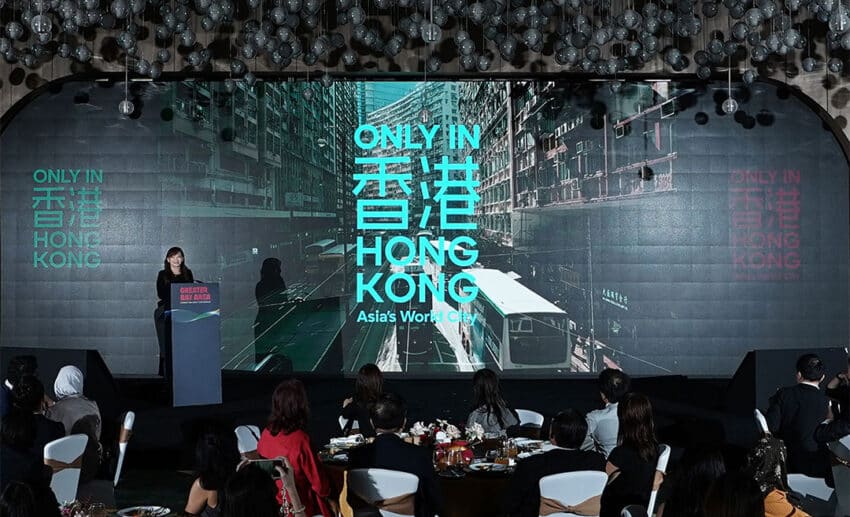
The Hong Kong Tourism Board, along with tourism offices in Guangdong and Macau, has been promoting the concept to Southeast Asian travelers, including Malaysians, with joint packages and promotions through airlines and travel agents. The pitch is straightforward: why settle for one city when the infrastructure now lets you experience several?
Hong Kong as the Gateway
For many visitors, Hong Kong remains the natural entry point. It's familiar, well-connected, and offers everything from hiking trails and outlying islands to a growing number of Muslim-friendly dining options, including halal-certified restaurants. But instead of spending an entire trip there, travelers can now use it as a launchpad into mainland Guangdong, where the atmosphere, architecture, and food shift noticeably.
The city still delivers its signature blend of urban intensity and accessible nature, but the real shift happens when you cross the border. Within an hour, you're in a different environment entirely.
Shenzhen's Modern Edge
Shenzhen sits just across from Hong Kong, but the contrast is immediate. Once a fishing village, it's now a hub of technology and innovation, with a skyline that rivals its neighbor and a reputation for forward-thinking design. Creative districts, green public spaces, and a rapidly evolving food scene define the city today.
For travelers, Shenzhen offers a glimpse of contemporary China, one that's less about historical landmarks and more about how quickly the country is moving. It's a natural counterpoint to Hong Kong, and the proximity makes it easy to experience both in a matter of days.
Guangzhou's Culinary Roots
An hour further by high-speed rail, Guangzhou takes the itinerary in a different direction. This is the birthplace of Cantonese cuisine, and food is central to the city's identity. Dim sum, roast meats, and the slow ritual of morning tea are all part of daily life here, and for anyone familiar with Cantonese cooking from abroad, tasting it in its original context adds depth to the experience.
Beyond food, Guangzhou offers temples, colonial-era architecture, and a pace that's more grounded than Shenzhen's frenetic energy. It's a city that rewards slowing down, even as it remains one of southern China's major commercial centers.
Zhuhai's Coastal Shift
Where Guangzhou and Shenzhen lean urban, Zhuhai offers a breather. Located on the coast, it's known for waterfront promenades, island day trips, and a more relaxed rhythm. The city doesn't have the same tourism profile as Hong Kong or Macau, but that's part of its appeal. It's a place to walk along the sea, eat seafood, and let the itinerary ease up for a day or two.
The Hong Kong-Zhuhai-Macau Bridge makes it easy to reach, and for travelers building a multi-city trip, it provides variety without requiring a long detour.
Macau's Cultural Blend
Macau closes the loop. Its mix of Portuguese and Chinese influences is unique in the region, with UNESCO-listed heritage sites, Catholic churches, and Cantonese temples sitting side by side. The food culture here reflects that layering, with African chicken, egg tarts, and almond biscuits all part of the local repertoire.
The city also has its modern side, with integrated resorts and entertainment complexes drawing a different crowd, but the historic center remains the main draw for travelers interested in culture and history.
Why Multi-City Itineraries Are Gaining Ground
The appeal of traveling this way isn't just about ticking off more destinations. It's about variety. A single trip can include heritage districts, modern skylines, coastal scenery, and food capitals without requiring separate flights or complicated logistics. The infrastructure now supports that kind of movement, and tourism boards are actively promoting it.
According to the Hong Kong Tourism Board, partnerships with airlines like AirAsia and local travel agents are making these multi-city packages more accessible to Southeast Asian travelers. The goal is to shift the conversation from "Hong Kong or Macau?" to "Hong Kong and Macau, plus a few cities in between."
For travelers used to choosing one destination per trip, the Greater Bay Area offers a different model: one where the journey itself becomes more fluid, and the itinerary can adapt to different moods, interests, and paces. Whether that means spending mornings in Guangzhou's tea houses and evenings on Zhuhai's waterfront, or bouncing between Shenzhen's design districts and Macau's cobblestone squares, the region now supports that kind of flexibility.
What This Means for Independent Travelers
While organized packages are one way in, the infrastructure also works for travelers who prefer to plan their own routes. High-speed rail tickets can be booked in advance, cross-border transport is increasingly streamlined, and visa policies for mainland China are gradually easing for certain nationalities. The region isn't without its quirks - border crossings still require some patience, and not every city is equally set up for international visitors - but the barriers are lower than they used to be.
For those willing to navigate the logistics, the Greater Bay Area offers a way to see southern China that goes beyond the usual highlights. It's a region in transition, and for now, that makes it more interesting.