The Latest One-Euro Experiment
Naro, a small town in southern Sicily, has launched its own version of the one-euro home scheme, selling off abandoned properties to anyone willing to take on the work. The program mirrors efforts already underway in Mussomeli, Salemi, and Sambuca di Sicilia, three other Sicilian towns that have used ultra-low purchase prices to lure new residents and halt decades of population decline.
The appeal is straightforward: buy a house for the price of a cappuccino, renovate it on your own terms, and settle into a Mediterranean lifestyle. But the financial reality is more involved. Buyers must post a refundable deposit of around €5,000 and commit to finishing renovations within three years. The actual cost of restoration, including structural surveys, permits, labor, and legal fees, typically runs between €15,000 and €30,000, according to municipal guidelines.
Naro sits close to the Valle dei Templi, a UNESCO World Heritage site featuring some of the best-preserved ancient Greek temples outside Greece. The wider Agrigento region offers a mix of archaeological landmarks, coastal views, and traditional Sicilian food culture. For buyers interested in history and rural quiet, the location has obvious appeal.
What Makes Naro Different
Unlike the earlier schemes in Mussomeli or Sambuca, which have attracted international media attention and developed informal expat networks, Naro's program is newer and less established. Buyers here will likely face a steeper learning curve when it comes to navigating local bureaucracy, finding contractors, and building social connections. Language skills and local contacts will matter more in a town where the infrastructure for foreign buyers is still taking shape.
The application process requires a formal submission to the town's municipal office, outlining renovation plans and proof of financial capacity. Both Italian and international buyers are eligible, and local officials are reportedly encouraging interest from the United States, the United Kingdom, and other European countries.
Despite recent debates over immigration and citizenship policy in Italy, the one-euro schemes remain open to foreign participation. The programs are designed to bring in new taxpayers and reverse the outflow of young residents, a challenge that has left many rural Italian towns with aging populations and empty buildings.
The Broader Trend
Naro is part of a wider pattern across rural Italy, where demographic shifts have left towns with more housing stock than people to fill it. Selling properties for symbolic prices is one way to offload maintenance burdens, generate renovation activity, and attract new residents who might eventually open businesses or enroll children in local schools.
Other regions have taken the model further. Presicce-Acquarica, a town in southern Puglia, launched a program in 2022 that not only sells homes cheaply but also offers buyers €30,000 to relocate. That kind of financial incentive changes the math for people considering a move, especially those who might otherwise struggle to cover renovation costs upfront.
The success of these schemes varies. Some towns have seen a surge in applications and completed renovations, while others have struggled to convert interest into actual sales. The three-year deadline is a recurring sticking point. Buyers who underestimate the complexity of Italian permitting, or who fail to secure reliable contractors, can find themselves racing against the clock.
Who This Works For
The one-euro model tends to attract remote workers, retirees, and people looking for second homes rather than primary residences. The renovation timeline and upfront costs make it difficult for anyone without savings or flexible income. And while the purchase price is low, the total investment can easily exceed what a move-in-ready property might cost in a less remote part of Italy.
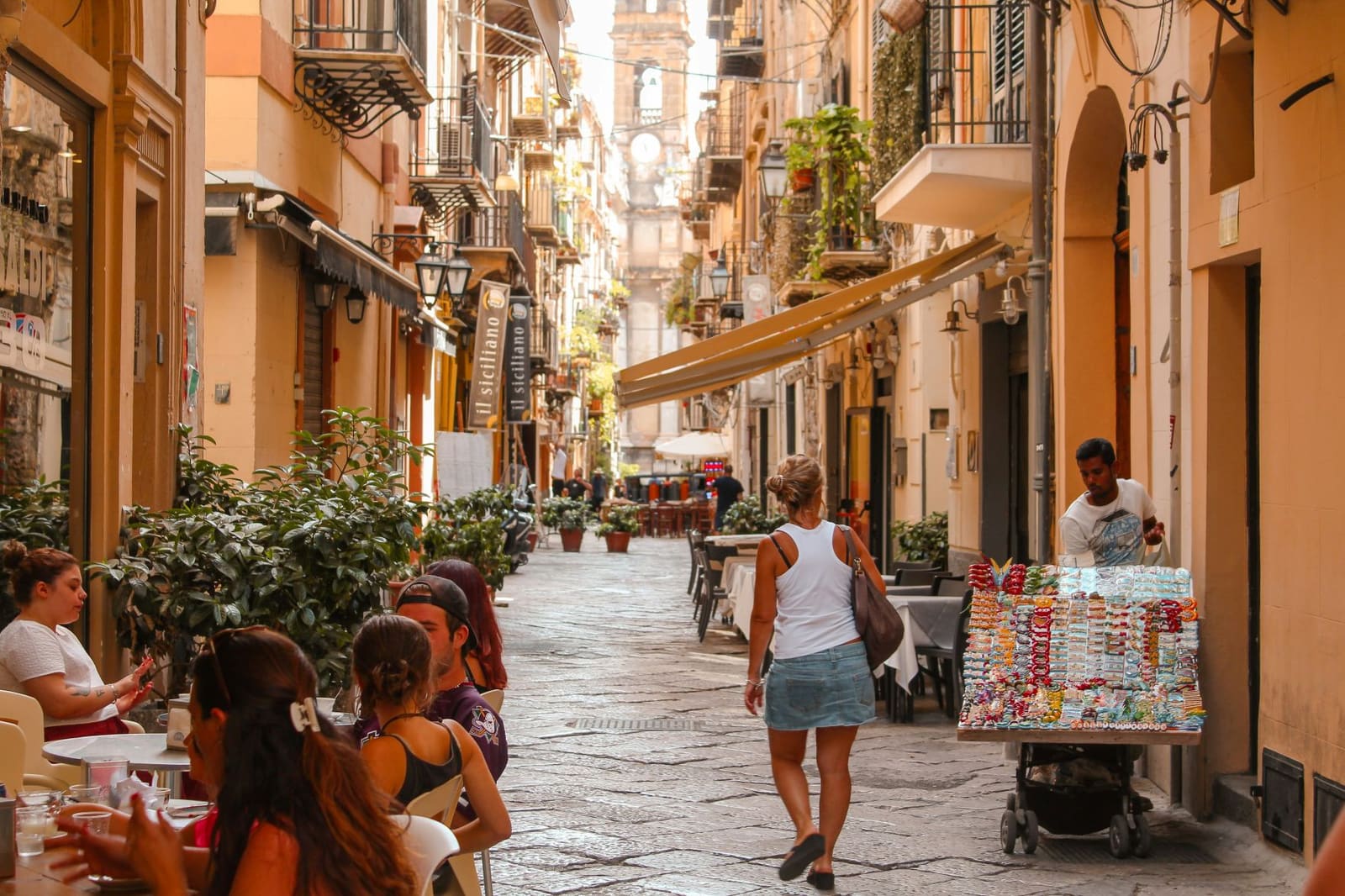
For those willing to take on the risk, the appeal is less about the financial arbitrage and more about the lifestyle shift. Living in a town like Naro means slower rhythms, fewer services, and a community that may not speak much English. It also means proximity to landscapes and cultural sites that are harder to access from urban centers.
The question for prospective buyers is whether the trade-offs are worth it. A one-euro house is not a shortcut to easy living in Italy. It's a project, and one that requires time, money, and a tolerance for uncertainty. But for people drawn to the idea of restoring something old in a place that still feels connected to its past, the opportunity is real.