Steel in the Dock
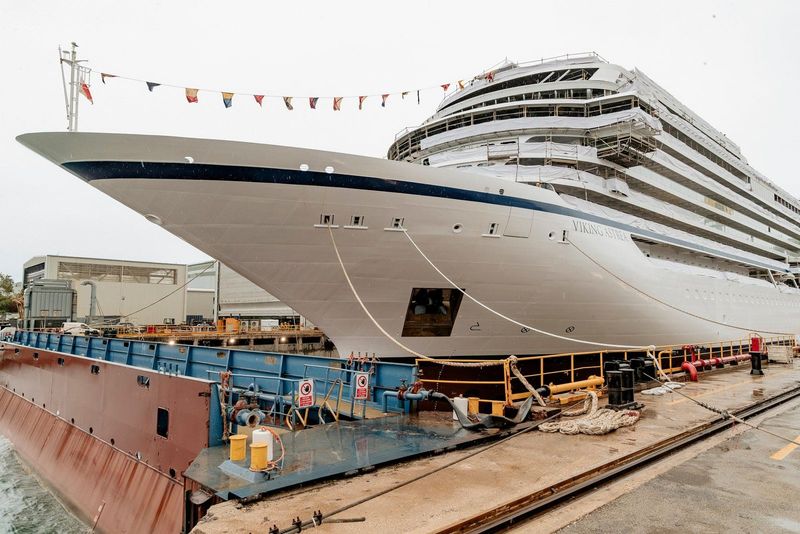
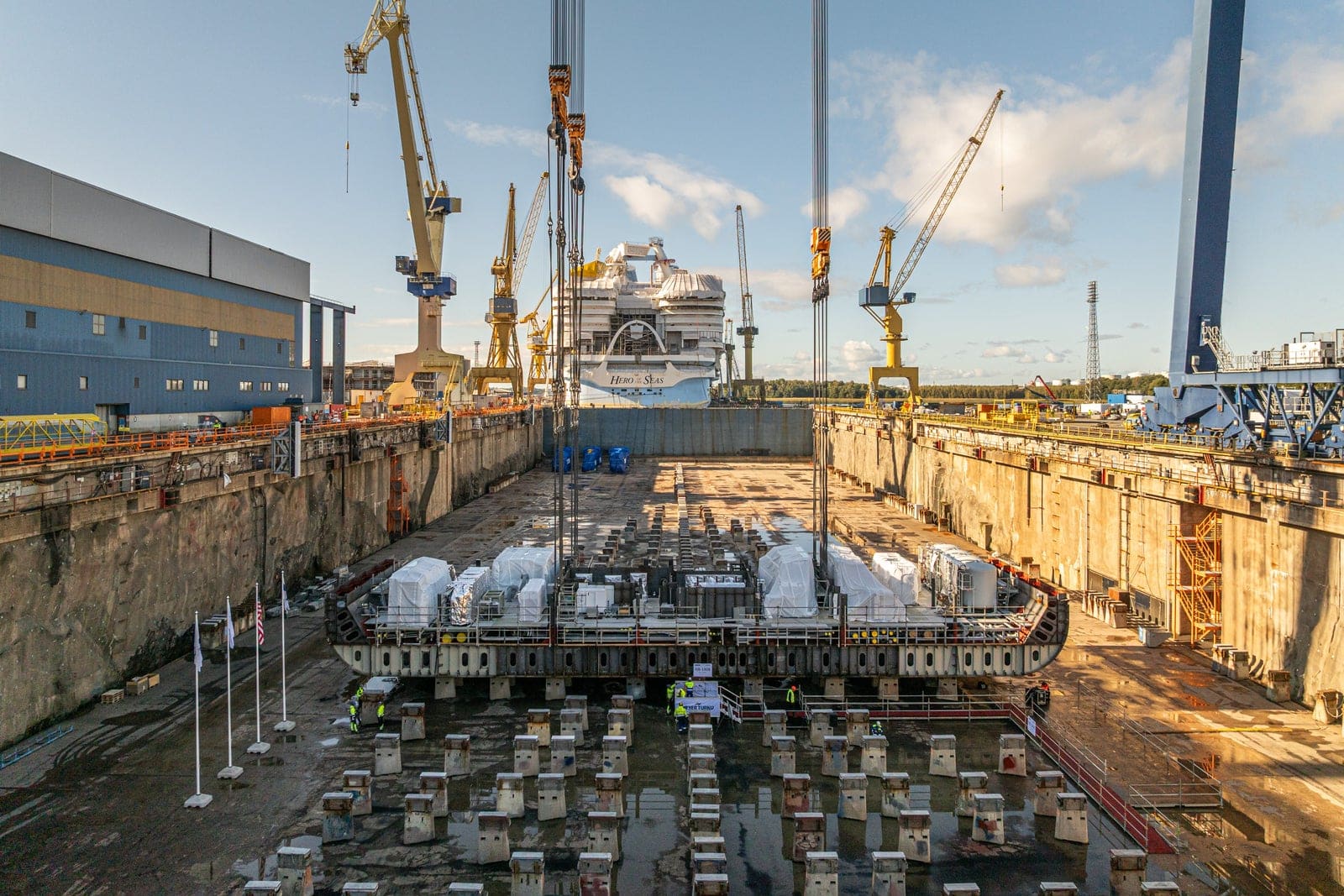
Royal Caribbean's fifth Icon-class ship moved from blueprint to steel this week. The keel-laying ceremony at Meyer Turku's shipyard in Turku, Finland marked the start of physical construction on a vessel scheduled for delivery in 2028.
The keel, which runs along the bottom and centre of the hull, forms the structural backbone of the ship. Before the first major steel block was lowered into the dry dock, the shipyard and cruise line followed maritime tradition by placing freshly minted coins beneath it for luck. The ship has not yet been named.
Details remain sparse on what the fifth vessel will offer, but the Icon class has established a template: waterparks with multiple slides, dining venues spanning casual to premium, and theatre productions modelled on West End and Broadway shows. The ships are built around themed districts, including a Central Park deck lined with live plants and a family zone called Surfside.
A Fleet in Motion
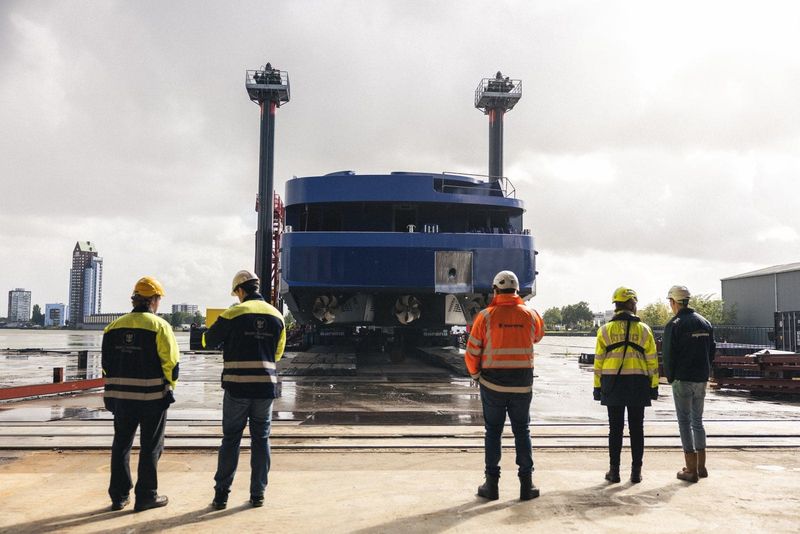
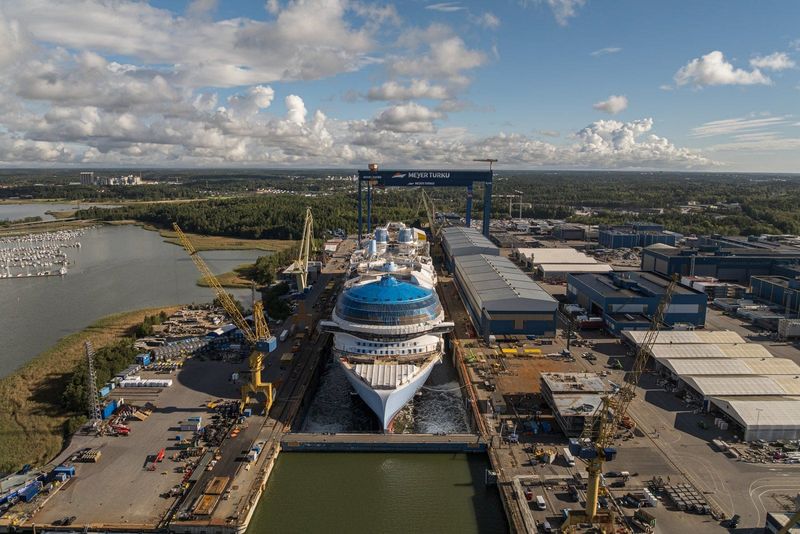
The fifth ship is one piece of a larger build schedule. Hero of the Seas, the fourth Icon-class vessel, was floated out of its construction dock last week and is on track for a 2027 launch, according to Royal Caribbean. That ship introduces a funnel raft slide, the first of its kind at sea, along with a three-deck suite called the Ultimate Family Treehouse and a restaurant named Orleans Parish Supper Club.
Three Icon-class ships are already in service or nearing it: Icon of the Seas, Star of the Seas, and Legend of the Seas. All three hold the title of world's largest cruise ships, a distinction the class has claimed through sheer tonnage and passenger capacity.
Royal Caribbean has also ordered sixth and seventh Icon-class vessels from Meyer Turku, with delivery dates set for 2029 and 2030. The shipbuilding agreement between the cruise line and the Finnish yard includes options to continue ordering ships through 2036, a timeline that signals Royal Caribbean's confidence in demand for large-scale cruising over the next decade.
Why Size Matters
The Icon class represents a bet on volume and variety. By concentrating amenities, dining, and entertainment into ships that can carry thousands of passengers, Royal Caribbean aims to offer resort-style experiences at sea. The strategy also allows the line to spread operating costs across a larger base of paying guests, which can improve margins if occupancy rates hold.
But scale brings trade-offs. Larger ships require ports with deep harbours and extensive shore infrastructure, limiting the destinations they can visit. They also draw scrutiny over environmental impact, from fuel consumption to waste management. Royal Caribbean has said the Icon class incorporates energy-efficient systems, though independent assessments of the fleet's environmental performance remain limited.
The expansion also raises questions about market saturation. Adding seven Icon-class ships over a span of roughly a decade means Royal Caribbean will need to sustain strong demand in a segment already crowded with large vessels from competitors like Carnival and MSC. The long-term shipbuilding deal with Meyer Turku suggests the line expects cruising's post-pandemic rebound to continue, even as economic conditions shift.
What Comes Next
For now, the focus is on finishing the ships already under way. Hero of the Seas will enter service next year, followed by the unnamed fifth vessel in 2028. Each launch will test whether Royal Caribbean can keep refining the Icon formula without exhausting passenger interest.
The keel-laying ceremony is a milestone, but it is an early one. Two years of construction lie ahead before the fifth ship takes its first voyage. Whether it will carry the same appeal as its predecessors depends on how well the cruise line reads the market between now and then.