The Change Takes Effect
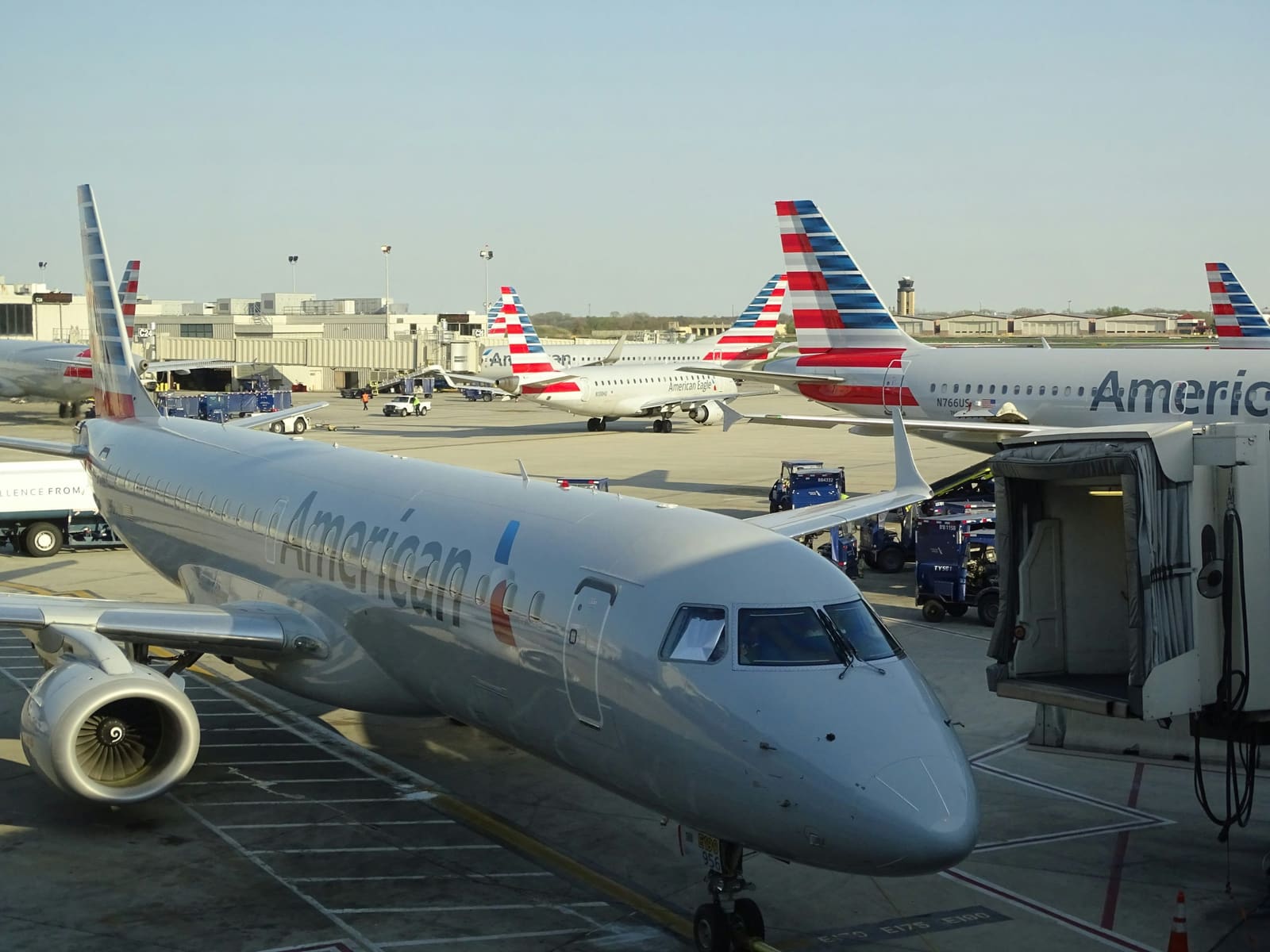
American Airlines quietly ended one of the more passenger-friendly policies in U.S. aviation on July 29, 2026. Until that date, travelers could cancel a ticket bought as close as two days before departure and receive a full refund within 24 hours. That flexibility has now disappeared. The airline now follows the U.S. Department of Transportation's baseline requirement, which only guarantees a 24-hour refund window for tickets purchased at least seven days before travel.
The DOT rule, in place since 2012, gives airlines two options: allow passengers to cancel and receive a full refund within 24 hours, or let them hold a reservation at the quoted price for 24 hours without payment. Airlines are not required to offer both. American has chosen the refund route, but only for bookings made a week or more in advance.
For anyone booking closer to departure, the math changes. Tickets purchased less than seven days out no longer qualify for cash refunds. Instead, passengers receive travel credits, usable for future flights but tied to the airline and often subject to expiration dates.
What This Means for Travelers
The shift brings American in line with JetBlue, Southwest, and United, all of which adhere to the federal minimum. Delta Air Lines remains an outlier, offering more flexibility for last-minute purchases. American confirmed the change in a statement, emphasizing that it still provides full refunds for tickets bought at least a week ahead.
The carrier's approach during the pandemic was notably more forgiving. When travel demand collapsed and uncertainty spiked, American swapped its old 24-hour hold system for full refunds, even on late bookings. That move reassured hesitant flyers and set the airline apart from competitors. Now, as the industry stabilizes and revenue pressure mounts, that generosity is being unwound.
Basic economy passengers face the strictest terms. Those fares remain non-refundable and non-changeable. AAdvantage loyalty members can cancel a basic economy ticket, but only by paying a $99 fee to recover the remaining value as credit. Non-members forfeit the entire amount.
The Broader Rollback
American is not alone in tightening policies introduced during the pandemic. In August 2020, United eliminated change fees on standard economy and premium tickets, a decision American and Delta matched within a day. At the time, the move was framed as a permanent shift toward passenger-friendly terms. But flexibility around refunds, especially for last-minute bookings, is proving less durable.
Low-cost carriers have their own patchwork of rules. Frontier allows free changes within 60 days of booking, after which a $99 fee kicks in. JetBlue uses a tiered fee structure similar to American's, varying by fare class and timing.
The trend reflects a broader recalibration. Airlines extended leniency when they needed to retain customers amid lockdowns and border closures. Now, with demand largely recovered, carriers are clawing back policies that cut into revenue. Travel credits keep money within the airline's ecosystem, while cash refunds do not.
Workarounds and Considerations
Some travelers may find relief through credit card travel insurance. Certain cards reimburse the cost of non-refundable tickets if a trip is canceled for a covered reason, such as illness or a family emergency. Coverage varies widely by issuer and card tier, and it typically does not extend to a simple change of plans.
Passengers weighing their options should compare the cost of a flexible fare against the likelihood they will need to cancel. For those booking well in advance, the 24-hour refund window still provides a safety net. For last-minute travelers, the calculus is less favorable. A refundable fare or a higher fare class with change privileges may offer better protection than relying on credits that can be difficult to redeem.
American's policy shift is a reminder that pandemic-era accommodations were never guaranteed to last. As airlines focus on profitability, the balance between flexibility and revenue is tilting back toward the latter. Travelers who value optionality will need to read the fine print more carefully, or pay more upfront for the privilege of changing their minds.