What Makes a Repositioning Cruise Different
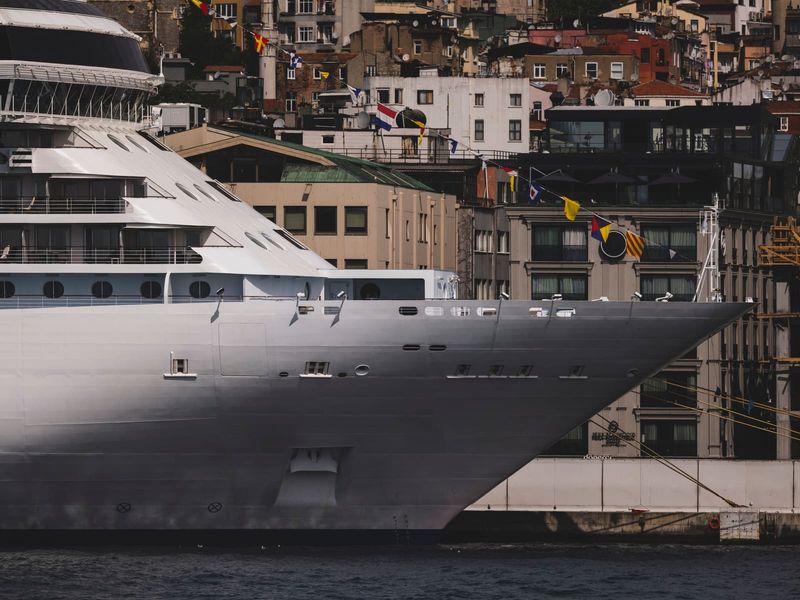
Most cruises follow predictable loops. The Caribbean in winter, Alaska in summer, the Mediterranean when the weather warms. But twice a year, the ships themselves have to move. That's where repositioning cruises come in.
These sailings exist to get vessels from one region to another. A ship finishing its Caribbean season might head to Seattle for Alaska. Another might cross the Atlantic from Europe to North America. The routes are practical, not picturesque. But cruise lines still need passengers on board, so they drop prices to fill cabins.
The trade-off is simple. You get a longer voyage, often with unusual stops, at a fraction of the typical cost. But you're also committing to a one-way trip, with flights at either end and sometimes stretches of open water between ports.
Why Travellers Choose Them
Cost is the biggest draw. Because these sailings are utilitarian, they don't command premium rates. Cabins that might run thousands of dollars on a standard itinerary can go for much less. For retirees and others with time, that's a compelling reason to book.
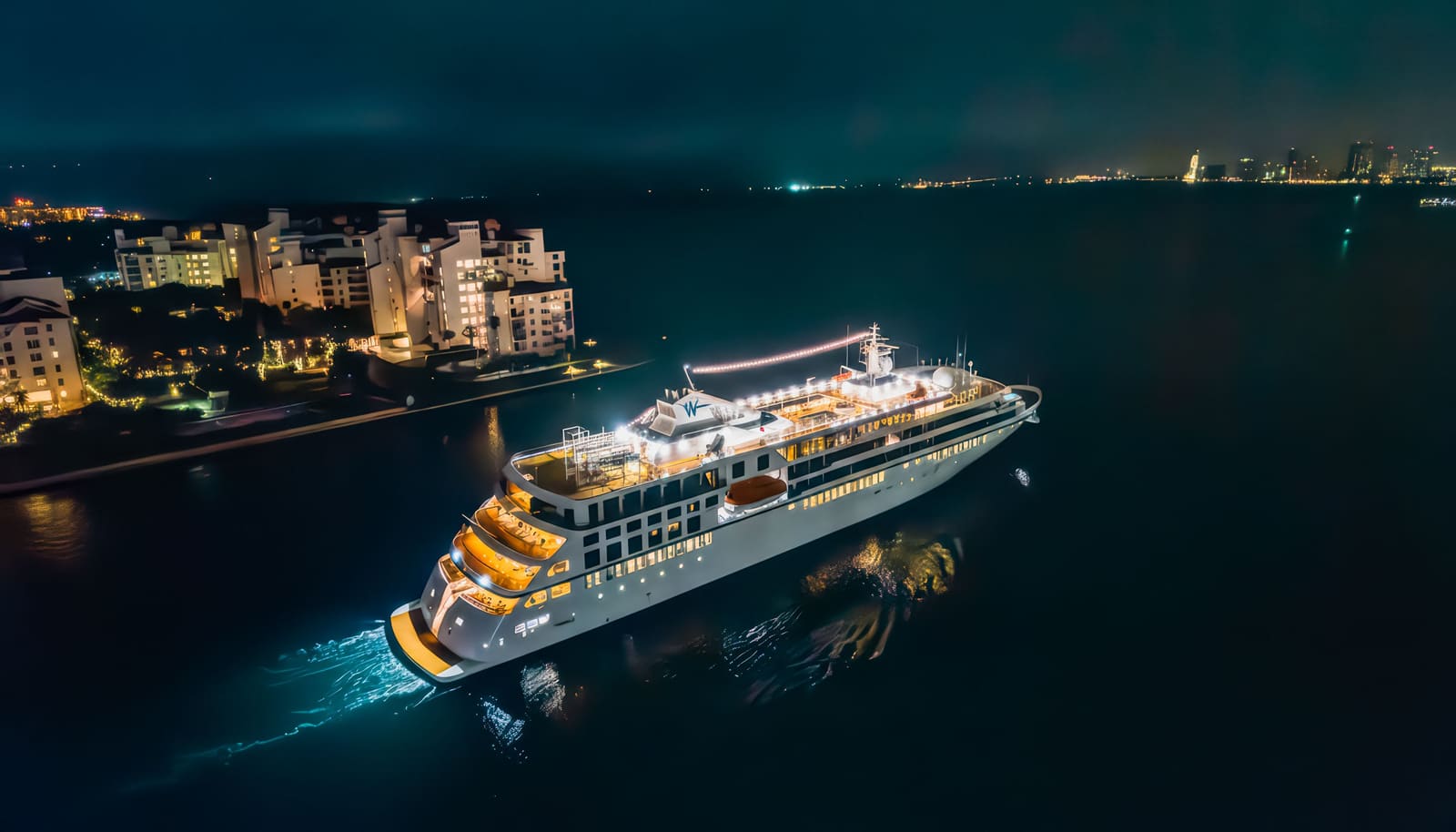
The ports themselves add another layer of interest. A repositioning route might include stops the ship will never visit again. That was the case on a recent Windstar sailing from Costa Rica to Mexico, part of a longer journey moving the Star Seeker from the Caribbean to Alaska. Passengers visited the Curú Wildlife Refuge in Costa Rica, a small reserve where baby crocodiles rest at the water's edge and howler monkeys drape themselves over tree branches. The ship won't return to those coordinates next season.
For some, that exclusivity matters. It adds a sense of discovery, even if the itinerary was chosen for logistics rather than appeal.
The Downsides Are Real
One-way sailings mean one-way logistics. You'll fly into one city and out of another, which can drive up airfare. If you're adding on hotels or extending the trip, those costs stack up quickly.
Time is another factor. These cruises skew longer, often lasting two weeks or more. That makes them less accessible for anyone working a standard job. On the Costa Rica to Mexico segment, most passengers were retirees. Some had been on board for weeks already, having joined earlier in the journey. Others planned to stay on until Alaska, turning the trip into a monthlong expedition.
The ports themselves can be hit or miss. Cruise lines do their best to plan, but repositioning routes sometimes include stops that don't match the ship's level of service or the expectations of its guests. Weather and geopolitical shifts can also change the itinerary mid-voyage. On a standard cruise, that's frustrating. On a repositioning cruise, it's part of the deal.
What You Do With All That Time
Sea days are abundant. On the Costa Rica to Mexico leg, there were three. For some passengers, that's a problem. For others, it's the whole point.
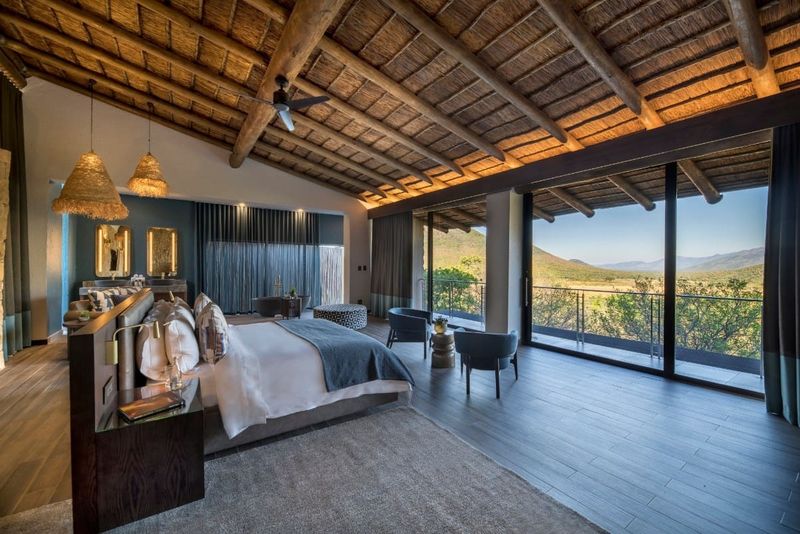
Windstar's Star Seeker, which launched in January, has 112 suites, most with private verandas or floor-to-ceiling windows. The Yacht Club, a top-deck lounge with large couches and expansive views, becomes a gathering spot. There are four restaurants on board, including one featuring James Beard Award-winning chefs. Shaded loungers line the aft decks. Trivia, lectures, and an open-bridge policy fill the afternoons.
The ship carried astronomer Greg Redfern and Costa Rican naturalist Karla Taylor on the recent sailing, adding context to the journey. Passengers could visit the bridge to talk with the captain and officers, learning how navigation and operations work in real time.
It's a slower pace. If you're someone who needs constant stimulation or gets restless on open water, a repositioning cruise will test your patience. But if you can settle into the rhythm, it offers something rare: unscheduled time.
Who Actually Books These
Repeat customers dominate. On the Windstar sailing, 102 of 168 passengers had cruised with the line before. That's not a coincidence. Repositioning cruises work best when you already know what to expect from the brand. If you're unfamiliar with a cruise line's food, service, or style, a two-week one-way journey is a risky way to find out.
The predictability of a known brand softens the unpredictability of the route. You might not know which ports you'll visit or whether the weather will cooperate, but you know the quality of the bed, the consistency of the coffee, and the professionalism of the crew. That trust makes the adventure feel manageable.
A Niche Worth Considering
Repositioning cruises won't replace traditional itineraries. They're too long, too logistically complicated, and too dependent on flexibility. But for travellers who value cost over convenience and novelty over repetition, they offer something standard sailings don't.
The ships are moving anyway. The question is whether you're willing to go along for the ride.