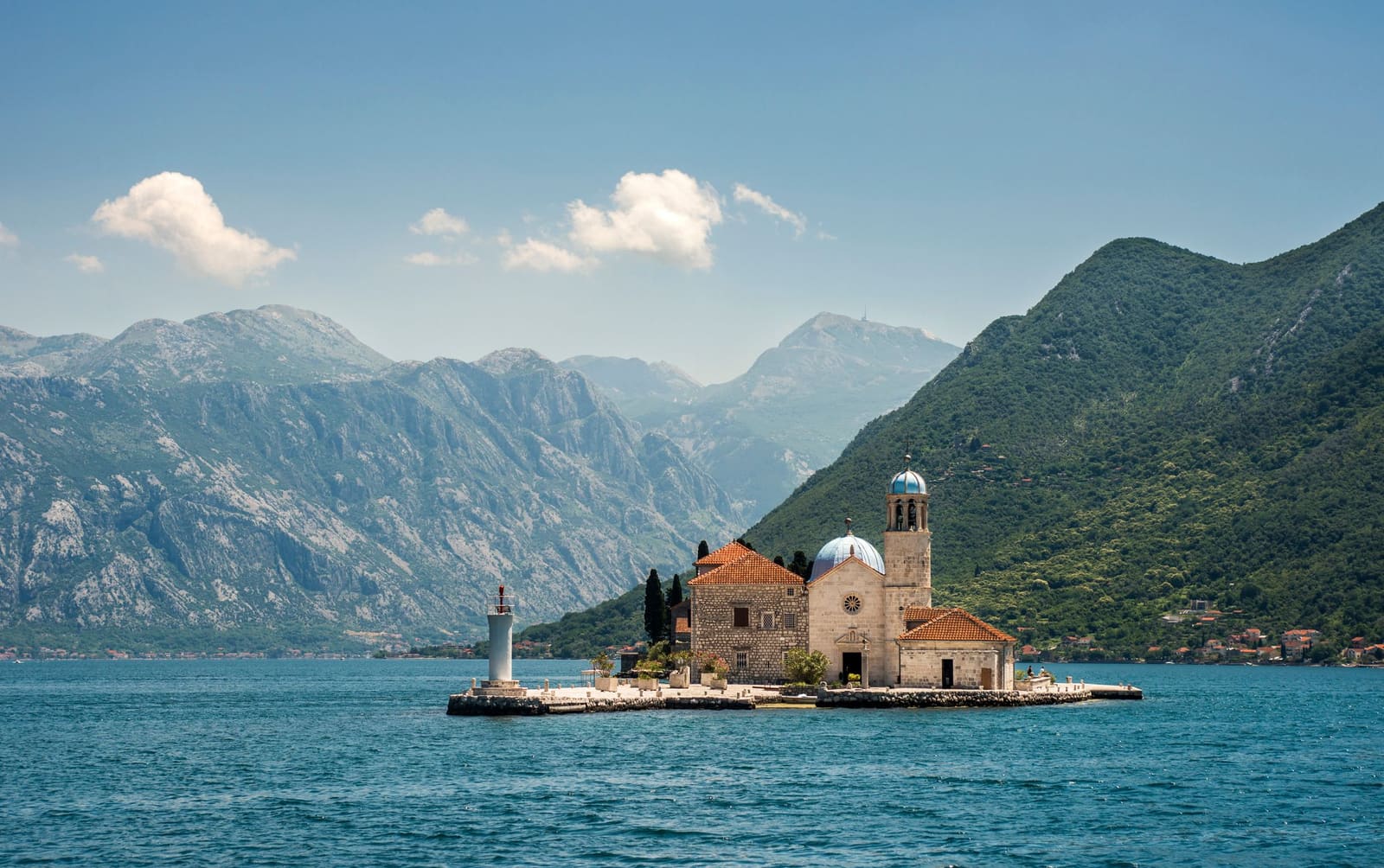
A Practical Shift in Travel Patterns
The introduction of the Entry/Exit System across Schengen countries has added minutes - sometimes hours - to border crossings this year, and travellers are responding by looking elsewhere. Kosovo, Serbia, Bosnia, Montenegro, Albania and North Macedonia sit outside the Schengen zone, which means passport control remains straightforward: no biometric scans, no digital gates, no risk of missing a flight because the queue snaked around the terminal.
That practical advantage arrives at a moment when the Balkans already offered something many Western European destinations no longer can: space. Hotels tend to be smaller, beaches less crowded, hiking trails quieter. The topography is dramatic - limestone peaks, river gorges, forested plateaus - and the infrastructure has not yet scaled to match the visitor numbers seen in Croatia or Greece.
Costs remain lower, too. A meal of grilled fish and local wine in a family-run restaurant in Kotor or Mostar will typically cost less than half what a comparable dinner would in Dubrovnik or Santorini. That gap is narrowing as word spreads, but it has not closed.
Mountains, Water and a Different Pace
The Peaks of the Balkans trail covers 124 miles across Kosovo, Albania and Montenegro, connecting villages that see far fewer trekkers than the paths around Mont Blanc or the Dolomites. The route moves through high pastures, past shepherds' huts and over mountain passes where the borders between countries feel more like suggestions than barriers.
Lakes offer another kind of quiet. Lake Ohrid, straddling North Macedonia and Albania, is one of Europe's oldest and deepest lakes, home to 17 native fish species and a scattering of medieval churches built into the hillsides. Swimmers and paddleboarders share the water with anglers, and the surrounding hills are laced with paths that rarely see crowds.
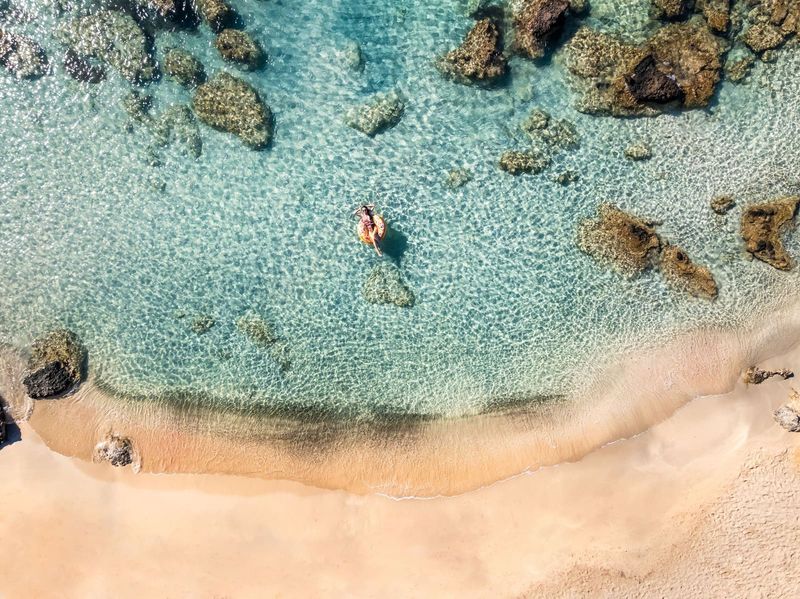
Coastal options have multiplied. Albania's Adriatic shoreline has coves and beaches - Gjipe, Mirror Beach - where the water is clear and the access requires a hike or a boat. That barrier to entry keeps numbers manageable. Durrës, Albania's second city, is drawing visitors as a base for exploring the coast, and new hotels are opening with an eye toward design rather than scale.
Wellness Without the Gloss
Wellness tourism in the Balkans does not follow the luxury-resort template. Montenegro's Siro Boka Place in Kotor Bay caters to a wealthy clientele, but most retreats are smaller: glamping sites surrounded by orchards, yoga sessions in converted farmhouses, spa treatments that emphasise local mineral springs rather than imported products.
Montenegro established an Eco Fund in 2020 and declared itself an ecologically oriented state as far back as 1991. Oblun, a retreat in the countryside, offers gardening, kayaking and time spent among fig and pomegranate trees. The emphasis is on low-impact activity rather than high-end amenities.
Wild swimming is common, and lakes and rivers are accessible without the need for organised excursions. The infrastructure remains modest, which means fewer people and more autonomy for visitors who prefer to plan their own days.
Cities Worth a Second Look
Pristina, Kosovo's capital, has socialist-era murals and striking Brutalist architecture. The National Library of Kosovo, designed by Andrija Mutnjaković and completed in 1982, is a lattice of white cubes inspired by mosque domes and the idea of stacked books. It remains one of the most distinctive public buildings in the region.
Skopje, North Macedonia's capital, was redesigned by Japanese architect Kenzō Tange after a catastrophic earthquake in 1963. The train station and several civic buildings reflect his metabolist approach, which emphasised adaptability and modular growth. The city is still polarising - recent additions include a triumphal arch and dozens of statues installed as part of a controversial nationalist project - but the 1960s infrastructure is worth the visit.
Podgorica, Montenegro's capital, is often overlooked in favour of Kotor or Budva, but it holds examples of Yugoslav-era design that are now attracting architecture enthusiasts. Hotel Podgorica, designed by Svetlana Kana Radević, is clad in stone from the Morača riverbed and built in terraces that step down the valley. Radević was the most prominent female architect in the former Yugoslavia, and her work is finally receiving broader recognition.
Spomeniks and Historical Layers
Bosnia's countryside is dotted with spomeniks - concrete memorials erected during the Yugoslav era to commemorate partisan fighters who resisted Nazi occupation. Most were commissioned by President Tito and placed in remote locations: mountaintops, forest clearings, hilltops overlooking valleys. Kozara National Park, in northern Bosnia, is home to the Monument to the Revolution, a vast abstract structure reached by a two-and-a-half-hour trail through beech forest and across streams.
These monuments have become a niche tourism draw. The Spomenik Database catalogues hundreds across the former Yugoslavia, and visitors now plan hiking routes around them. They are visually arresting - sculptural, often enormous, and built in a style that mixes socialist realism with abstraction - but they also carry layers of meaning tied to memory, politics and the fractured history of the region.
Mostar's Old Bridge, rebuilt after the war, draws divers who leap from its stone arch into the Neretva River below. Sarajevo has developed a lively bar and restaurant scene over the past decade, and rooftop venues now line the hills surrounding the old town. Bosnia also has a narrow strip of Adriatic coast at Neum, a small town that offers beach access without the crowds of neighbouring Croatia.
Belgrade Prepares for a Bigger Stage
Serbia's capital is preparing to host Expo 2027, a six-month international event scheduled to open in May. The theme is "Play for Humanity - Sport and Music for All," and pavilions from dozens of countries will line the Sava riverfront. The city is also completing its first metro line, a project that has been in planning since the 1970s and is now set to open later in 2027.
Mama Shelter, the French design-hotel group, opened its Belgrade outpost this year, signalling that the city is attracting a broader range of international visitors. The hotel sits in the Savamala district, a formerly industrial area that has become the centre of the city's nightlife and arts scene.
Novi Sad, Serbia's second city, sits on the Danube and has a different character: Hungarian-influenced architecture, riverside beaches where locals gather in summer, and proximity to Fruška Gora, a national park popular with hikers and cyclists. Ski resorts in the mountains near Kopaonik offer cheaper alternatives to the Alps, with shorter lift queues and lower accommodation costs.
What Comes Next
Tourism numbers in the Balkans are rising. Albania saw a 35 per cent increase in arrivals in 2025, according to the country's Institute of Statistics, and Montenegro reported similar growth. The question is whether the region can absorb that increase without replicating the overcrowding and environmental strain visible in parts of Greece, Croatia and Spain.
So far, the absence of large-scale resort development and the region's commitment to ecotourism - at least in policy - have kept growth more manageable. But infrastructure is improving, flight connections are multiplying, and the window for visiting before the crowds arrive is narrowing. The Balkans are no longer a secret, but they remain, for now, a different kind of destination.