Holding Up More Than History
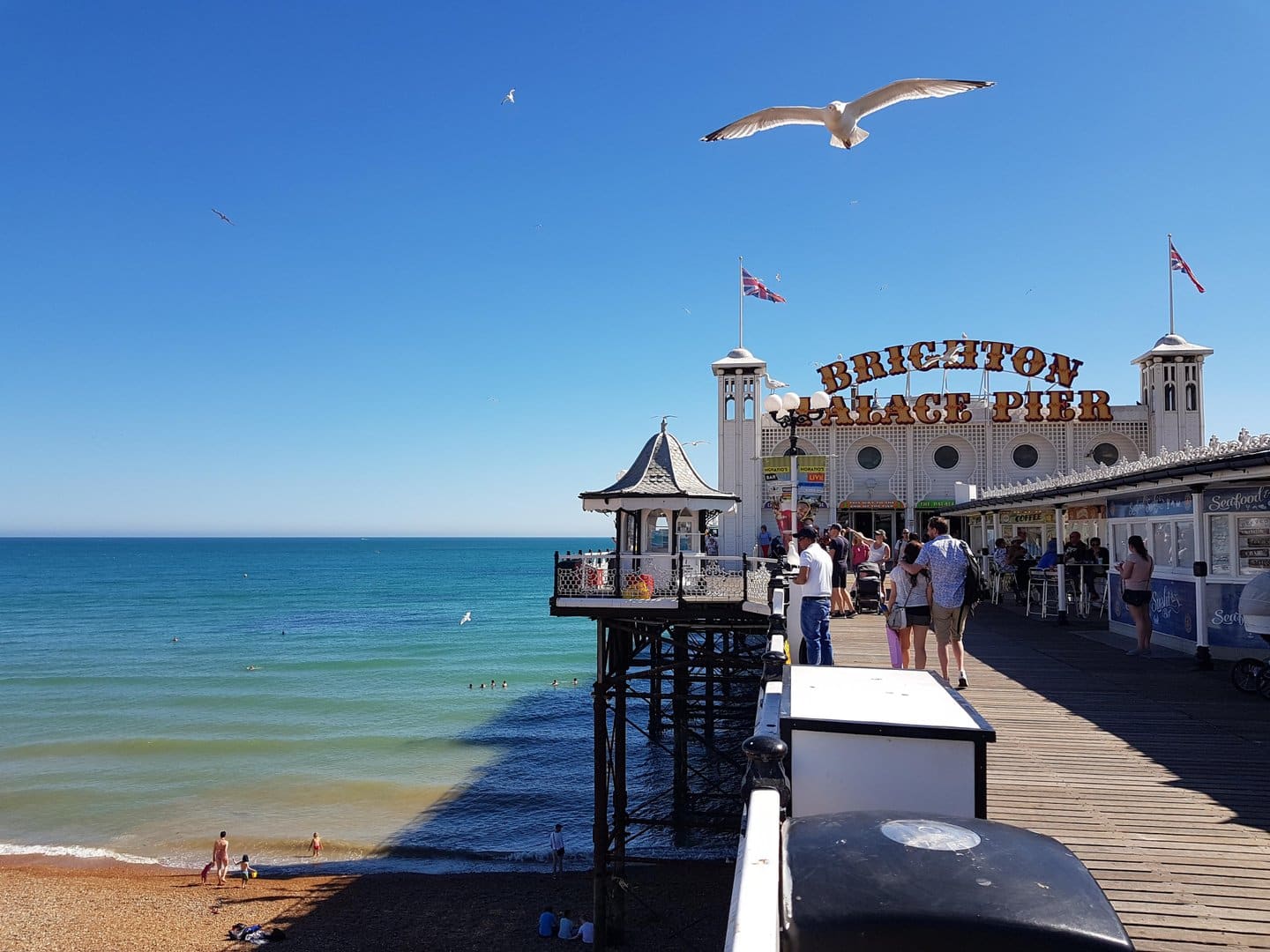
The iron and brick arches that run beneath Brighton's King's Road have been there since the Victorian era, built sometime between 1860 and 1880. Today they support a road that carries 22,000 drivers and 1,500 cyclists daily to the pier, the beach, and the i360 observation tower. After more than 140 years, those structures are showing their age. The UK government has committed £22 million to phases four and five of a long-term restoration effort, with Brighton City Council adding another £3.9 million.
The work is partly about keeping the road from collapsing. But it is also about reimagining what sits beneath it. The funding will allow the council to reinforce the arches while creating usable spaces for cafés, shops, and galleries tucked into the seafront. According to Trevor Muten, cabinet member for transport and city infrastructure at Brighton City Council, the project will strengthen the arches to support the road, pavement, and cycle lane for another century. It will also improve conditions for local businesses and explore options for upgrading the King's Road paddling pool area in consultation with residents.
Building on Earlier Phases
Brighton has been working on the arches since 2014, in stages. The first phase converted 26 arches into shops and public toilets. The second phase reinforced 33 arches between The Seahorse restaurant and the West Pier. The third phase created Shelter Hall, a new public toilet facility on the lower promenade, along with a walkway and sea wall.
Phase four will focus on the stretch between the bandstand and the i360. Phase five will move west of Shelter Hall. The council expects phase four to finish sometime in 2027, with phase five wrapping up by 2029. Once complete, the arches should be structurally sound for at least another 100 years.
More Than Just Arches
The restoration is not just about preservation. It is also about making the seafront more accessible and economically viable. The arches have long housed small businesses, and the renovations aim to improve those spaces while adding new ones. Simon Lightwood, the UK government's minister for roads and buses, noted that the funding will help ensure that visitors can continue to enjoy Brighton's beach, pier, and nearby lanes while supporting growth for businesses along the seafront.
Separately, Brighton and Hove City Council has been allocated £26 million to repair potholes across the area over the next four years. That funding addresses a different but related problem: keeping the roads themselves in decent shape, not just the structures underneath them.
What It Means for Visitors
For travelers, the work means construction along a popular stretch of coastline for the next several years. It also means that by the end of the decade, the seafront should be in better shape than it has been in decades. The arches have always been part of Brighton's appeal, but they have also been easy to overlook, tucked beneath the road and the bustle above. The renovations will make them more visible and more useful, turning what was once purely infrastructure into something that contributes to the experience of being there.
Brighton has always drawn visitors for its beach, its pier, and its mix of seaside charm and urban energy. The arches are part of that identity, even if they are not the first thing people think of when they picture the town. This project is a bet that they can be more than just support beams, that they can be part of what makes the place worth visiting, not just what holds it up.