A Sudden Brake on Expansion
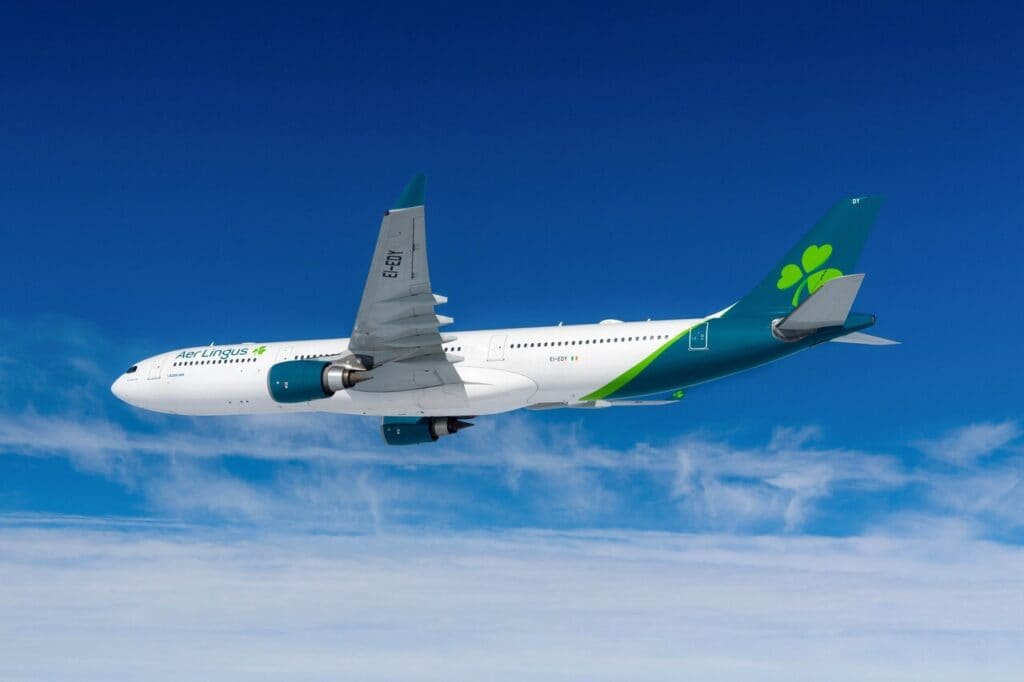
International Airlines Group planned to grow this year. Instead, the company that owns British Airways, Iberia, Aer Lingus, and Vueling will keep its seat count unchanged through December. Regional instability forced the cancellation of service to several cities in the Gulf and the eastern Mediterranean. At the same time, the price of jet fuel climbed sharply, eroding margins across the business.
The original target called for a lift of between 2.5 and 3 percent in available seat kilometers. By mid-year, the group's network had actually shrunk by one-tenth of a percentage point. Chief executive Luis Gallego told investors the company would prioritize profitability over seat count for the rest of 2026.
Route Suspensions Reshape the Map
IAG suspended flights to Abu Dhabi, Dubai, Doha, and Tel Aviv, among other points. Those destinations together represent roughly 3 percent of total system capacity. The Africa, Middle East, and South Asia region bore the brunt: second-quarter seat supply in that zone fell 17 percent year over year.
Aircraft that would have flown those routes were redeployed. British Airways added frequency to Bangkok, Singapore, Delhi, and Nairobi. Iberia shifted metal toward South America, Tokyo, and transatlantic city pairs. The moves helped fill seats but could not fully offset the lost revenue from the closed markets.
Engine reliability problems compounded the challenge. A portion of the fleet sat on the ground awaiting parts, further limiting the group's ability to recover capacity.
Premium Cabin Demand Rises in London
Corporate travel buyers avoided itineraries that required overflying sensitive airspace. Many switched to nonstop British Airways services from Heathrow. Premium and business-class bookings on the carrier climbed as a result.
Unit revenue on the routes that remained open in Africa, the Middle East, and South Asia rose sharply. On North Atlantic flights, which account for about three in ten seats across the group, yields also held firm. Premium cabins filled, and corporate accounts renewed contracts at higher rates.
System-wide load factors reached 85 percent in the first six months. Advance bookings for the second half stood at 57 percent of available inventory, matching the pace seen a year earlier. Gallego said overall demand across the network remains robust, even as the geographic mix has shifted.
Fuel Bills Climb Faster Than Fares
The disruption to oil shipments pushed crude prices higher. IAG's fuel and emissions expense rose more than 12 percent in the first half and nearly 23 percent in the second quarter. The company now expects to spend between €8.3 billion and €8.6 billion on fuel for the full year. That figure is below an earlier internal forecast of around €9 billion but still well above 2025 levels.
Management estimates it will recover about 60 percent of the additional fuel cost through a combination of fare increases and efficiency measures. Long-haul and premium tickets have already been repriced. Short-haul fares in Europe have proven harder to lift because of intense competition from low-cost carriers.
Group operating profit before tax fell roughly 19 percent in the first half. Aer Lingus, which had been profitable, swung to a loss. Heightened competition on transatlantic routes and the sharp rise in fuel expense hit the Irish carrier particularly hard.
Vueling Leans on Fleet Renewal
Vueling continues to replace older aircraft with Boeing 737 Max jets. The new planes burn less fuel per seat and require fewer maintenance hours. Capacity at the Spanish low-cost brand declined 2 percent in the first half, but load factors stayed high.
The carrier faces pricing pressure across the European short-haul market. Summer leisure demand has been strong, but yields remain under pressure from rivals. Management believes the fleet transition will deliver meaningful cost savings by year-end.
Watching the Winter Schedule
IAG will finalize its winter flying program in the coming weeks. Executives have signaled they will be conservative, protecting margin over market share. European short-haul markets remain crowded, and the group does not intend to chase volume at the expense of profitability.
Long-haul routes look more promising. Premium demand has proven resilient, and corporate travel budgets have held up better than many carriers expected at the start of the year. The group's geographic spread and portfolio of brands offer some insulation from shocks in any single market.
IAG still plans to take delivery of 16 new aircraft this year and expects to report an operating margin within its historical range. Whether that proves achievable will depend in large part on fuel prices and the duration of the route suspensions.
For now, the group is betting that a smaller, more profitable network will outperform a larger one built on thinner margins. British Airways, in particular, appears to be winning traffic that might once have connected through Gulf hubs. That shift may outlast the immediate crisis, reshaping competitive dynamics on intercontinental routes for years to come.