A Win That Resonated Beyond the Pitch
When Spain lifted the World Cup trophy, the celebration echoed far beyond European stadiums. In China, the tournament result translated almost immediately into travel planning. Within hours of the final whistle, queries for flights connecting Chinese cities to Spanish destinations began climbing steeply, according to Qunar, a major online travel platform in China. Data analyzed by Stamp, a Spanish company focused on Chinese consumer behavior, showed that searches for the Shenzhen-Barcelona route multiplied by a factor of thirty-three. Interest in flying to Tenerife rose nineteen times over, while Málaga saw a tenfold increase. Routes originating from Kunming, Qingdao, Guiyang, and Jinan also recorded notable upticks for Barcelona and Madrid services.
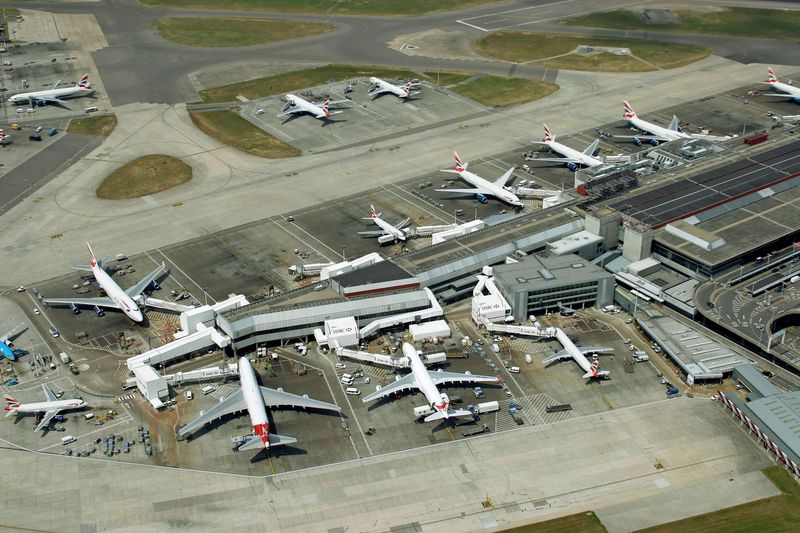
The spike is not happening in a vacuum. Air traffic between China and Spain has been rebuilding steadily after pandemic-era disruptions. During the first six months of this year, Spanish airport operator Aena recorded more than 707,000 passengers traveling between the two countries, a rise of nearly 47 percent compared to the same stretch in 2025. New routes and increased frequency from cities such as Chengdu and Guangzhou have helped lay the groundwork for this recovery. The World Cup result appears to have accelerated momentum that was already underway.
Timing Meets Opportunity
The surge in search activity arrives at a particularly useful moment for Spain's tourism and retail sectors. China's Golden Week holiday, scheduled from October 1 to 8, is one of the country's busiest travel windows. Millions of Chinese residents take advantage of the extended break to explore destinations both near and far. For Spain, the combination of a high-profile sporting victory and a looming holiday period creates a rare alignment of attention and availability.
Retailers and tourism operators are being encouraged to adapt their strategies to capture this wave of interest. Stamp has issued guidance urging Spanish businesses to strengthen their presence on Chinese social media platforms including Xiaohongshu, Weibo, and WeChat. The company notes that more than three-quarters of Chinese travelers use these channels to plan shopping itineraries before leaving home. Payment infrastructure is another focal point. Digital wallets such as Alipay and WeChat Pay account for the vast majority of purchases made by Chinese tourists abroad, yet acceptance remains uneven across Spanish retail environments.
Abel Navajas, co-founder and chief executive of Stamp, highlighted friction in the tax refund process as a barrier to smoother transactions. "The Chinese tourist today does not have a Tax Free, but a Tax Refund: they pay full VAT at the till and, weeks later, if all goes well, get part of it back," he said. Offering the discount at the point of sale, rather than requiring post-trip paperwork, could make Spanish shops more competitive in attracting Chinese spending.
Broader Context and Economic Ripples
Spain's visitor economy has been on an upward trajectory. Earlier this year, officials projected that the country would welcome 100 million international tourists over the course of 2026, a record figure that underscores Spain's status as a leading global destination. The influx from China adds another dimension to that growth, particularly as the country diversifies its source markets beyond traditional European and North American visitors.
There is also academic support for the idea that sporting success translates into measurable economic gains. A study published in 2024 by the University of Aberdeen found that countries winning the FIFA World Cup experience an increase in GDP growth of at least 0.48 percent over the two quarters following the tournament, before the effect tapers off. Euronews estimated that for an economy the size of Spain's, valued at roughly 1.69 trillion euros, such a boost could amount to around four billion euros. While the methodology behind such projections involves assumptions about spending patterns and multiplier effects, the directional relationship between high-profile victories and short-term economic activity is well documented.
The current situation offers a live test of how quickly digital platforms can channel enthusiasm into bookings. Flight searches are an early indicator, but conversion to actual ticket purchases and hotel reservations will determine whether the spike translates into tangible arrivals. Chinese travelers have shown a willingness to move quickly when motivated, and the combination of sports prestige, seasonal timing, and improving air connectivity creates favorable conditions.
What Comes Next
For Spain, the challenge will be sustaining interest beyond the initial rush. Golden Week represents a concentrated opportunity, but longer-term growth depends on infrastructure, service quality, and the ability to cater to preferences that differ from those of Western European or American visitors. Language support, digital payment options, and culturally informed marketing will all play a role in determining whether this moment becomes a lasting shift or a brief surge.
The flight search data offers a glimpse of demand, but the real measure will be visible in October arrivals and spending figures. If the current trajectory holds, Spain may find that its World Cup success has delivered benefits that extend well beyond the football field.