A Record Day in the Sky
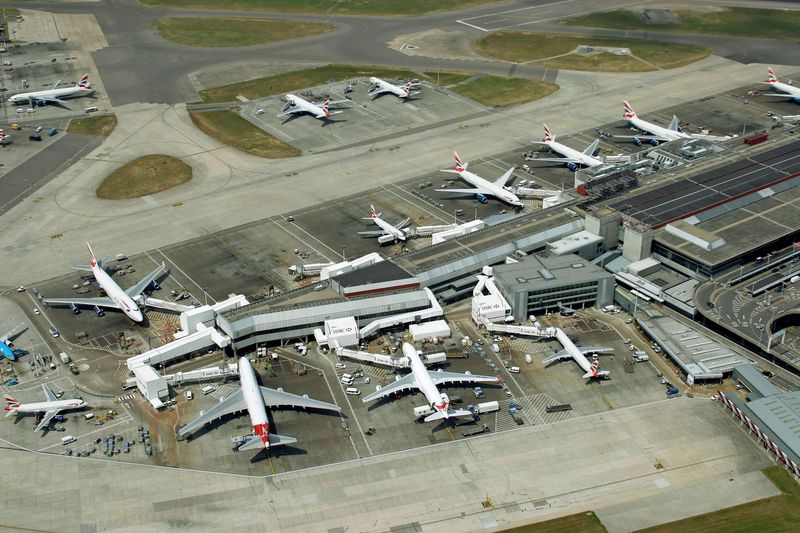
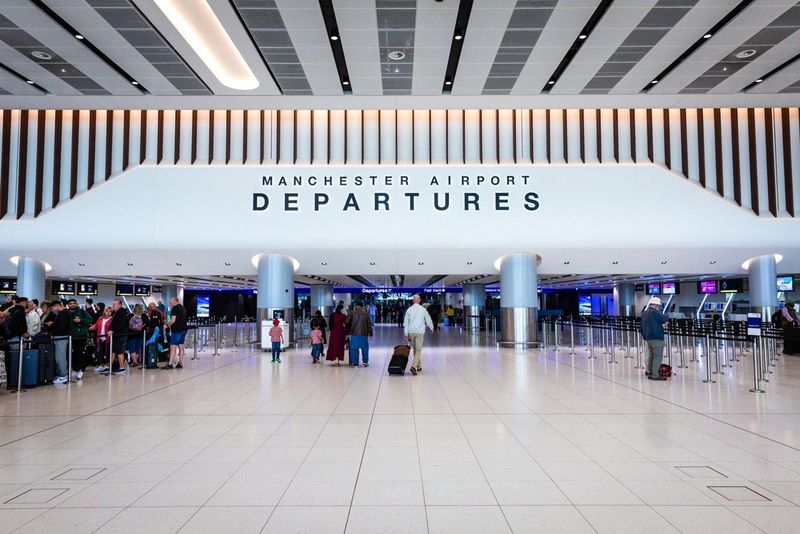
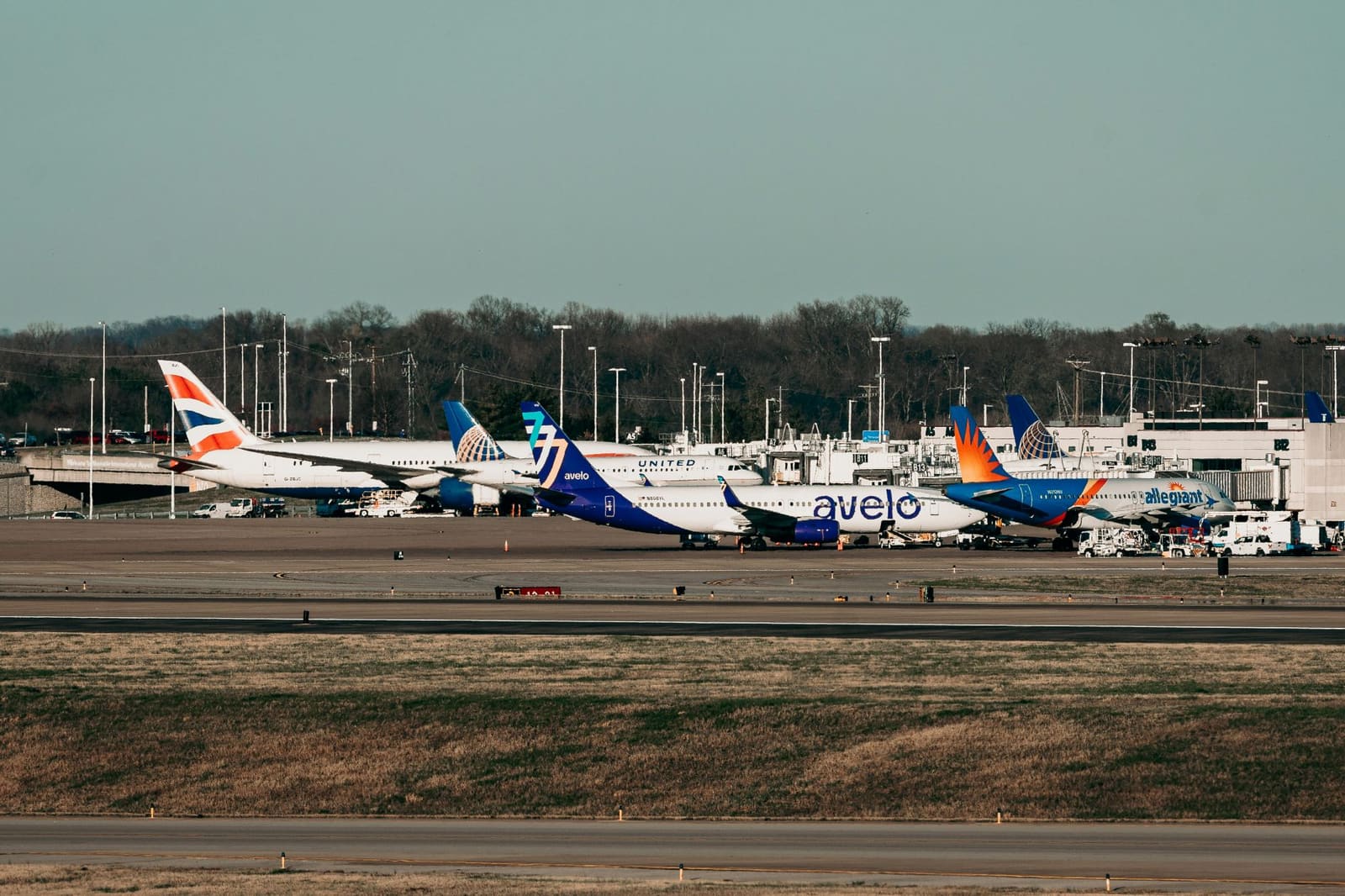
July 23 was the busiest day in commercial aviation history. Flight tracking service Flightradar24 logged 153,359 commercial flights between midnight and 11:59 p.m. UTC, according to Flightradar24. That count surpassed the previous high of 137,225 flights set on July 13, 2023, by more than 16,000 departures.
The spike came during the final week of July, traditionally the peak window for summer air travel in the Northern Hemisphere. School holidays, vacation schedules, and warm weather converge to push seat demand and flight frequencies to their annual ceiling. This year followed that pattern, with airlines running full schedules across Europe, North America, and parts of Asia.
When cargo, private, and military operations are added to the tally, the total climbed to 287,364 flights on the same day, making it the second-busiest day ever for all categories of air traffic combined.
Among the flights drawing attention that day was a Qantas test run from Toulouse to Melbourne aboard an Airbus A350-1000ULR. The nonstop service lasted 19 hours and 13 minutes, and roughly 9,000 users tracked the aircraft at any given moment, according to Flightradar24. The flight underscored ongoing efforts to push the boundaries of ultra-long-haul operations, a segment that has drawn both engineering investment and public curiosity.
Margins That Don't Match the Momentum
The record flight count offers a snapshot of operational intensity, but it does not tell the full financial story. Late last year, the International Air Transport Association projected that the global aviation industry would post a net profit of $41 billion in 2026, up slightly from $39.5 billion in 2025, with passenger numbers expected to grow 4.4 percent to 5.2 billion, according to IATA.
Yet the association also noted that the net profit margin would hold steady at 3.9 percent, unchanged from the prior year. Net profit per passenger was forecast to remain flat, and cargo yields were expected to decline by half a percentage point. IATA's chief economist pointed out that a single large oil company can generate comparable profit in one quarter, while $41 billion represents the entire aviation industry's earnings for a full year.
That context matters. Airlines operate on thin margins, and even modest shifts in fuel prices, labor costs, or demand can tilt profitability. The July 23 flight record happened during a period when underlying economic pressures had not eased.
Geopolitical Disruptions and Demand Shifts
The profit outlook grew more uncertain after conflict erupted between the United States, Israel, and Iran in late February 2026. The war triggered a global fuel crisis, drove up crude prices, and forced carriers to cancel, reroute, or delay thousands of flights. Airspace closures and overflight restrictions compounded the operational burden.
In May 2026, IATA reported a 2.2 percent drop in global passenger demand compared to the same month in 2025, according to IATA. The Middle East saw a 28.4 percent decline in traffic due to airspace disruptions and security concerns. Outside that region, demand edged up 0.7 percent year over year, a modest gain that reflects resilience in some markets but also signals caution among travelers.
IATA's June 2026 outlook revised the full-year passenger growth forecast downward to 2.1 percent, a material slowdown from the pace seen in recent years. The association attributed the adjustment to higher fuel costs, longer routings, and airspace constraints. Cargo demand was expected to grow by just 0.7 percent for the year, according to IATA.
Regional patterns diverged sharply. The Middle East faced a deep contraction due to ongoing restrictions, while Africa and parts of Asia Pacific posted growth as traffic rerouted through alternative hubs. Airlines with flexible networks and diversified route portfolios were better positioned to absorb the shock.
What One Day Reveals, and What It Doesn't
The 153,359 flights recorded on July 23 do not necessarily predict how the entire summer will close. A single peak day captures operational capacity and scheduling intensity, but it does not reflect load factors, ticket pricing, or profitability. Airlines can fly full schedules and still struggle if fares are discounted or if costs spike unexpectedly.
The record also highlights the industry's ability to scale operations quickly when demand materializes. Aircraft utilization rates, crew scheduling, and airport slot coordination all had to align for that many flights to operate within 24 hours. The logistical achievement is significant, even if the financial return remains uncertain.
For travelers, the surge in flights offers more options and, in some cases, more competitive pricing as carriers compete for summer bookings. For airlines, it represents a test of whether volume can offset margin compression. The answer will depend on how fuel prices, airspace access, and demand patterns evolve through the remainder of the year.
The July record is a data point, not a conclusion. It shows the industry's capacity to move people and goods at scale, but it also underscores the fragility of an operating model where profitability hinges on variables outside any single carrier's control.