A Height Limit Written in Nature
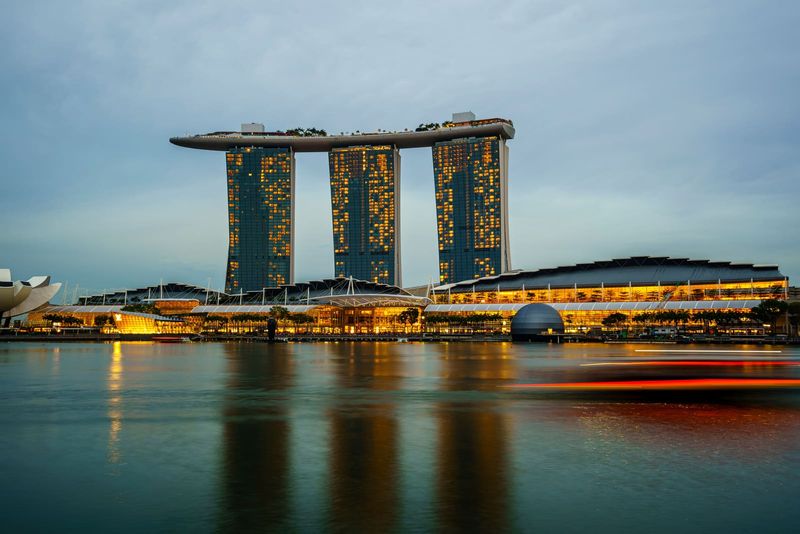
No structure in the Cook Islands can rise taller than a coconut palm. That single rule, enforced across the South Pacific archipelago, has kept out the familiar silhouettes that dominate so many island destinations - glass towers, branded resort blocks, and the golden arches that signal arrival in anywhere-land.
The regulation is not symbolic. It is measured, enforced, and backed by a broader cultural framework the islands call Mana Tiaki, a concept that translates loosely to guardianship over land, sea, and tradition. The policy has shaped what visitors see when they arrive: low-slung buildings, open sightlines, and a skyline that belongs to trees rather than concrete.
The absence of international chains is deliberate. There is no McDonald's, no Starbucks, no Hilton. Most accommodation is locally owned, and dining options reflect what islanders cook rather than what a corporate menu dictates. For travellers weary of homogenised resort corridors, the difference is immediate.
Guardianship as Policy
Mana Tiaki is not a recent invention. It draws on older Polynesian ideas about stewardship, where communities see themselves as caretakers rather than owners. In practice, that philosophy informs planning decisions, environmental rules, and debates over how much tourism the islands can absorb without eroding what makes them distinct.
The Cook Islands are self-governing in free association with New Zealand, which gives the territory control over its own immigration, environmental policy, and economic planning. That autonomy has allowed local leaders to set stricter limits than many island nations under external pressure to maximise tourism revenue quickly.
The population is small - around 17,000 people spread across 15 islands, with most living on Rarotonga. That scale makes consensus easier but also heightens the stakes. A single large development can shift the character of an island, and decisions made now will shape what the next generation inherits.
The Tension Between Growth and Identity
Tourism is the largest industry in the Cook Islands, accounting for the majority of employment and foreign exchange. Visitor numbers have climbed steadily, and with that growth comes pressure to expand infrastructure, build more rooms, and streamline operations in ways that often favour outside investors with capital and experience.
Developers have proposed larger hotels, multi-storey projects, and partnerships with international brands. Some argue that without scale, the islands will struggle to compete with neighbours like Fiji or French Polynesia, where resorts offer the kind of amenities that attract higher-spending guests.
But expansion comes with trade-offs. Larger buildings require more water, more waste management, and more imported materials. They also change the visual and social fabric of small communities, where land is often held collectively and decisions about its use involve extended families and traditional leaders.
The coconut-tree rule is one line of defence, but it is not absolute. Enforcement depends on political will, and exemptions or variances can be granted under pressure. The real test is whether the cultural principles behind the policy remain strong enough to withstand the economic arguments for compromise.
What Other Islands Are Watching
The Cook Islands are not the only destination grappling with these questions, but their approach is being studied by other small island states looking for models that protect local character without shutting down tourism entirely.
Palau has introduced visitor limits and environmental fees. Bhutan charges a daily tariff designed to keep numbers manageable. Both systems have drawbacks - exclusivity can price out regional travellers, and quotas can be gamed - but they reflect a broader shift towards managing tourism rather than simply growing it.
The Cook Islands have not imposed caps on arrivals, but the infrastructure itself acts as a natural brake. Without large hotels or frequent flights, growth is constrained by capacity. That gives communities time to adapt, though it also means the islands must continuously weigh whether to expand that capacity or hold firm.
The Risk of Being Left Behind
There is another side to the debate. Some islanders, particularly younger residents, worry that strict limits on development will limit economic opportunity. Jobs in tourism are seasonal, wages are modest, and many skilled workers leave for New Zealand or Australia, where pay is higher and career paths clearer.
If the islands cannot offer competitive livelihoods, the population may continue to shrink, leaving fewer people to maintain the culture that the policies are designed to protect. It is a paradox familiar to rural and remote places everywhere: preservation requires people, but people need reasons to stay.
The challenge is finding a version of growth that does not replicate the mistakes visible elsewhere - overdevelopment, environmental degradation, and the hollowing out of local culture in favour of a tourism product that could exist anywhere.
A Test Case for Small-Scale Tourism
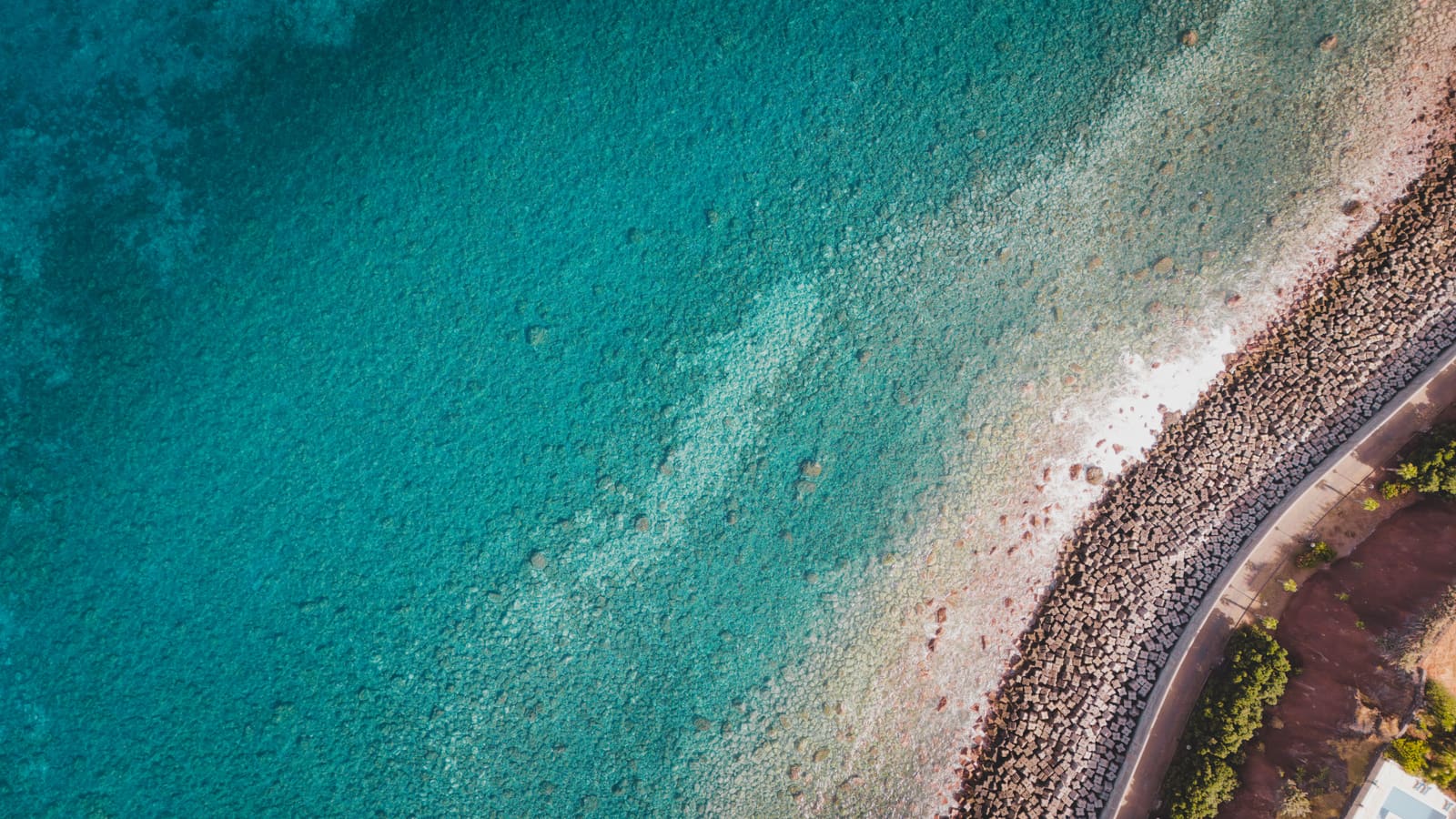
For now, the Cook Islands remain an outlier. The coconut-tree skyline is intact, the beaches are not lined with resorts, and most of what travellers experience is shaped by islanders rather than multinational operators.
Whether that model is sustainable depends on factors both local and global: climate resilience, access to markets, the willingness of visitors to pay more for less infrastructure, and the political courage to say no when the economic pressure is intense.
Other destinations will be watching. If the Cook Islands can maintain their identity while supporting a viable economy, it offers a template. If the model falters, it may confirm what many in the industry already believe - that small places eventually have to choose between growth and preservation, and that growth almost always wins.
The outcome is not yet settled. But for travellers looking for places that still feel like themselves, the Cook Islands remain one of the clearer examples of what happens when a community decides that some things are worth more than the next hotel tower.