A Literary Tradition Runs Deep
Reykjavik's creative output stems from a literary tradition stretching back to the 12th-century Norse sagas. Today, Iceland holds the Guinness World Record for the highest number of writers per capita globally. One in 10 Icelanders publishes a book during their lifetime, according to Guinness World Records, and the annual Jólabókaflóð, or Christmas book flood, sees publishers release most of their titles in autumn to coincide with the festive reading season.
This literary foundation has expanded into other art forms. In a city of 140,000 residents, creative work isn't confined to professionals. Taxi drivers moonlight as songwriters, and perfumers run art collectives. The density of creative activity feels disproportionate to the population size.
Concert Halls and Soundtracks
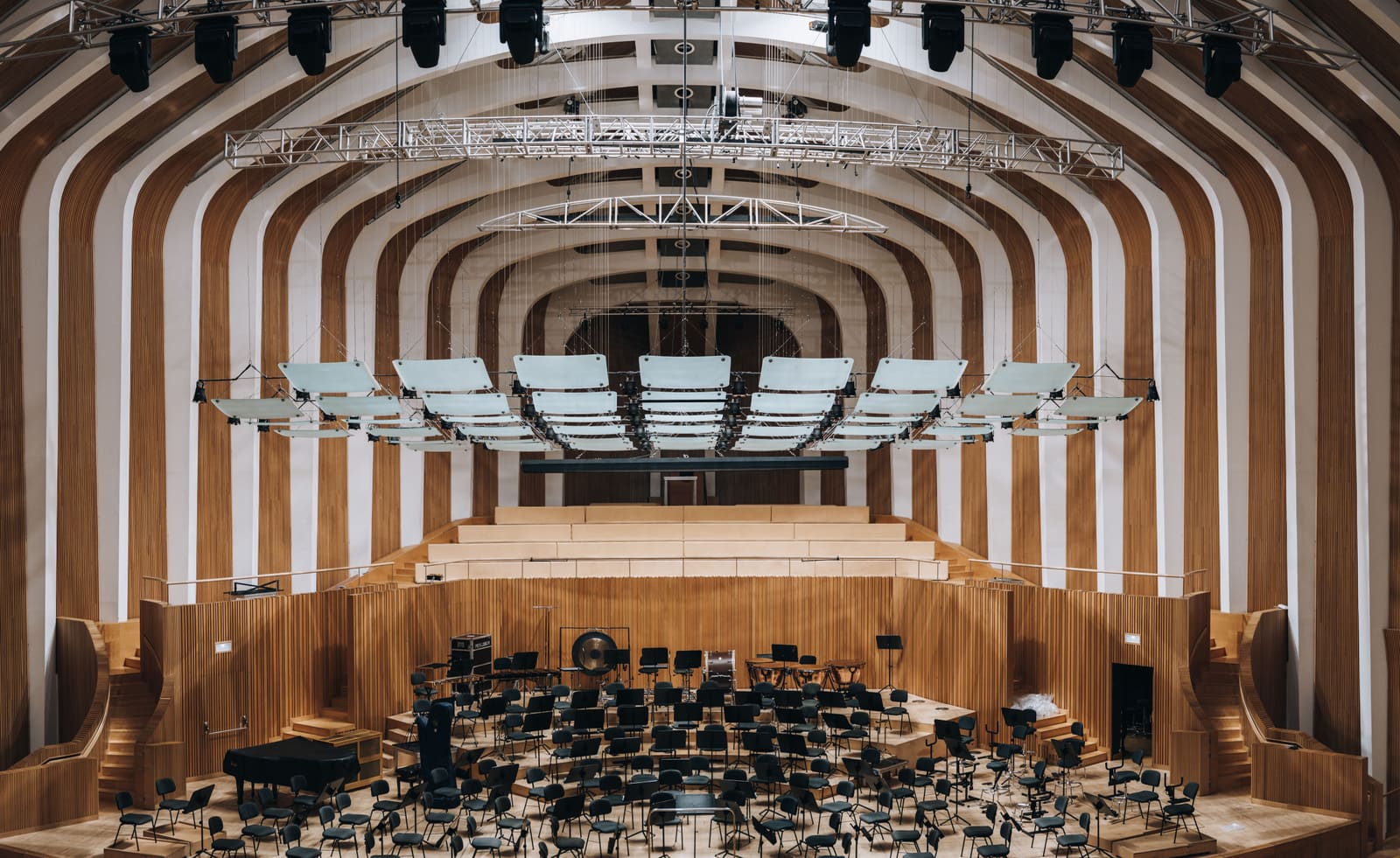
The Harpa Concert Hall anchors Reykjavik's music scene. The glass building, designed to echo Iceland's volcanic basalt formations, sits on the waterfront and hosts the Iceland Airwaves festival each November. The venue's main performance space features dramatic black and scarlet interiors suited to cinematic compositions.
Hildur Guðnadóttir, who composed scores for films including Tar and Joker, performed at Harpa recently. Her work combines classical cello training with brooding, sweeping arrangements that fill the venue's acoustics. The concert hall also houses Hnoss Bistro, where diners look out over Faxaflói Bay while eating dishes such as ling fish in cream sauce.
Experimental Formats and Scent Concerts
Reykjavik's experimental edge shows in unconventional formats. Fischersund, a family-run parfumerie and art collective, staged a scent concert as part of the Reykjavik Arts Festival. Eight hundred attendees stood in dry ice while ambient electronic music played and perfume made from moss, grass and birch filled the air. The family behind Fischersund includes musicians and writers who make their perfumes by hand from Nordic botanicals.
This willingness to blend sensory experiences extends to nightlife. Amma Don, a speakeasy accessed by pressing a brass lion knocker, serves cocktails such as negronis reimagined with brown butter and rye. The decor mimics a 1960s sitting room, a deliberate contrast to the drinks menu.
Bjork's Ongoing Influence
The National Gallery of Iceland recently exhibited Echolalia, a three-room audio-visual installation by Bjork. Two rooms dealt directly with the death of her mother, creating an immersive experience that moved through different emotional registers. Alongside it, James Merry's Metamorphlings displayed more than 80 elaborate masks he designed for Bjork over their years of collaboration.
Bjork's approach to music and visual art has shaped Reykjavik's creative expectations. Audiences here anticipate work that crosses disciplines and takes risks with form. The city's small size means artists often collaborate across mediums, reinforcing this experimental tendency.
Beyond the City Centre
Laugavegur, the main shopping street, and Skólavörðustígur, marked by rainbow-coloured pavement, form the cultural centre. Even at 11pm, late sunsets mean streets remain full. Cobbled alleyways lead to galleries, performance spaces and design shops that operate as much as creative hubs as retail outlets.
Around 90 minutes from Reykjavik, Gullfoss waterfall plunges into a 70-metre canyon. It's one of Europe's most powerful waterfalls and offers a stark contrast to the urban cultural scene. Further out, Laugaras Lagoon opened in December 2025 as a spa complex less crowded than the Blue Lagoon. Its Ylja restaurant serves five-course tasting menus for 28,000 ISK (approximately £160), featuring dishes such as fermented tomato carpaccio with burrata-style cheese and Arctic char with horseradish cream.
The Cultural Infrastructure Question
Reykjavik's cultural output raises questions about scale and sustainability. Can a city of 140,000 support world-class concert halls, international festivals and experimental art spaces? So far, the answer appears to be yes, partly because creative work is woven into daily life rather than confined to professional institutions.
The city benefits from Iceland's literary heritage and its music industry's international success. These provide both funding and audiences. Tourism, focused primarily on natural attractions, increasingly includes cultural programming. Visitors who come for waterfalls and geysers discover they can also attend avant-garde performances and contemporary exhibitions.
This dual appeal, nature and culture, gives Reykjavik an advantage. The city doesn't compete directly with London or New York; it offers something adjacent. Experimental work happens in a setting where audiences can also soak in geothermal pools or visit volcanic landscapes. The combination feels distinctive rather than derivative.
Balancing Acts
The late sunsets create an extended day that blurs boundaries between afternoon culture and evening nightlife. Galleries stay open later, performances start at unusual hours, and the rhythm of the city adjusts to light rather than clock time. This flexibility suits experimental programming that might struggle with fixed schedules elsewhere.
However, Iceland's small population means audiences overlap. The same people attend theatre, music festivals, gallery openings and scent concerts. This creates a knowledgeable, engaged audience but also limits the market for any single event. Artists and venues must appeal beyond locals to sustain themselves, which drives the international focus.
Reykjavik's cultural scene has developed quietly, without the promotional machinery of larger cities. It relies on word of mouth, festival programming and artists who have gained international recognition. Hildur Guðnadóttir's film work, Bjork's decades-long career, and Iceland Airwaves' reputation all draw attention back to the city itself.
The infrastructure now exists to support this attention. Harpa Concert Hall opened in 2011, providing a venue that matches international standards. Smaller spaces, from speakeasies to perfumeries, fill in the gaps with more experimental work. The Reykjavik Arts Festival provides a focal point each year, concentrating international visitors and programming.
Whether this cultural momentum continues depends partly on economic factors. Iceland's currency fluctuations affect tourism, which in turn affects venues and festivals. The cost of living in Reykjavik remains high, which can limit who participates in the cultural scene. Yet the creative density persists, suggesting something structural rather than temporary.
For travellers accustomed to visiting Iceland for its natural features, Reykjavik's galleries and concert halls come as a surprise. The city hasn't replaced geysers and waterfalls in the tourism narrative; it has added another layer. Visitors can now plan trips around the Reykjavik Arts Festival or Iceland Airwaves as easily as around the Golden Circle route. The cultural calendar matters as much as the weather.
This shift reflects a broader change in how small capitals position themselves. Reykjavik doesn't try to be London or New York. It offers experimental work in a context shaped by Icelandic literary traditions, volcanic landscapes and long summer evenings. That combination proves compelling enough to draw international audiences who come specifically for the culture, not despite the lack of it.