Building Worlds From Memory
Fantasy fiction trades in impossible things, yet the terrain beneath those impossibilities often begins somewhere concrete. The romantasy genre has claimed significant shelf space over the past few years, with readers devoted to multi-book series that sprawl across invented continents. What many of those readers may not realise is how much of that fictional geography starts with a writer's actual journey through a forest, or a week spent on an island, or the weight of childhood displacement.
Writers who construct elaborate secondary worlds draw on primary ones. Sometimes it's deliberate research. Other times it's the residue of memory, a landscape that left an impression years before a manuscript began.
Scotland as Backdrop
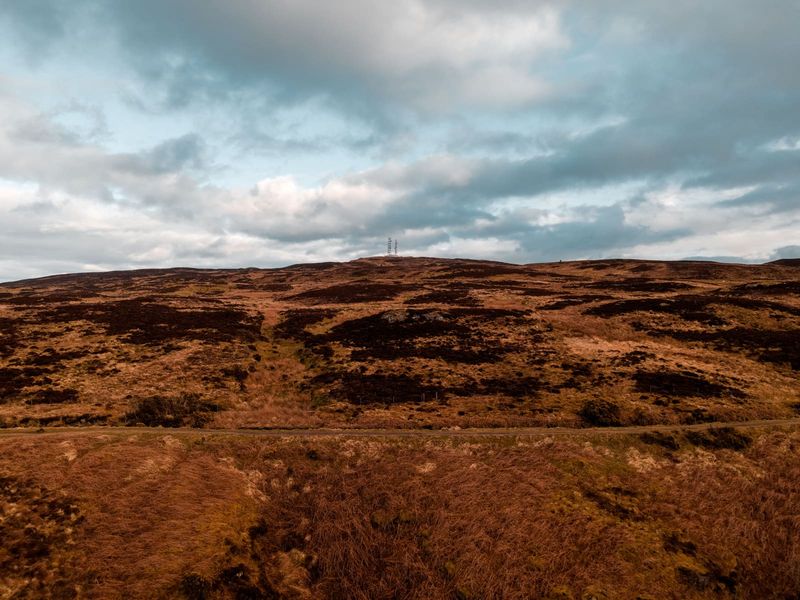
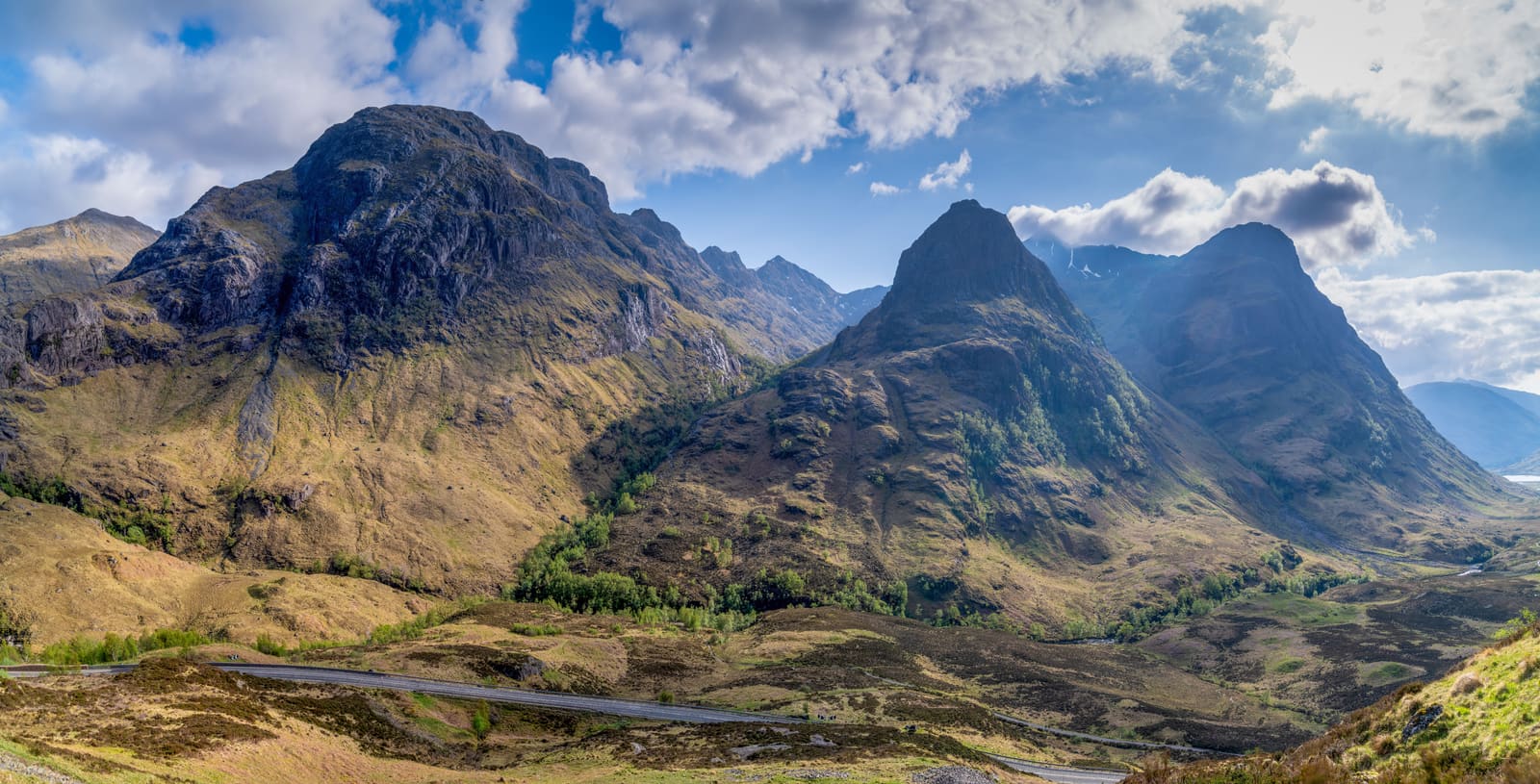
Sarah J Maas, whose A Court of Thorns and Roses books have become a commercial and cultural fixture, mentioned during a 2016 event that she and her husband travelled through Scotland and spent several days on the Isle of Skye. That terrain, rugged and remote, became the conceptual foundation for a prison setting in one of her sequels. The idea of creatures confined to such a stark environment took shape there.
Maas has said she likes to pull from multiple mythological traditions rather than anchoring her work in a single culture. English, Irish, and Hindu references appear across her series. The approach reflects a writer who sees travel not as tourism but as material.
Callie Hart, author of the Fae & Alchemy series that includes Quicksilver, has also cited Scotland as a source of inspiration. Hart lived there years ago and has spoken about long walks through the Highlands, the kind of solitary outdoor time that seeps into a writer's sense of place. She describes Scotland as among her preferred countries.
Military Life and Movement
Rebecca Yarros, whose Fourth Wing series has attracted a large readership, grew up in a military family. Her childhood involved frequent relocation between bases. She was in Germany when the Berlin Wall fell, then moved to Colorado at twelve. Her husband also served, retiring in 2019. That constant movement and the structures of military life have informed the way she builds fictional hierarchies and institutions.
Yarros has said that military experience appears in everything she writes, an unavoidable influence given how much of her life has been shaped by it. During a book tour in New Zealand, she visited the Shire set from the Tolkien film adaptations, an acknowledgment of the fantasy lineage she grew up reading.
Desert and Snow
Hart's Fae & Alchemy series opens in a desert city where water is scarce. She spent time in Abu Dhabi and has described the environment there as oppressive but also strangely beautiful. That tension, the harsh climate paired with visual appeal, became the mood for her opening chapters.
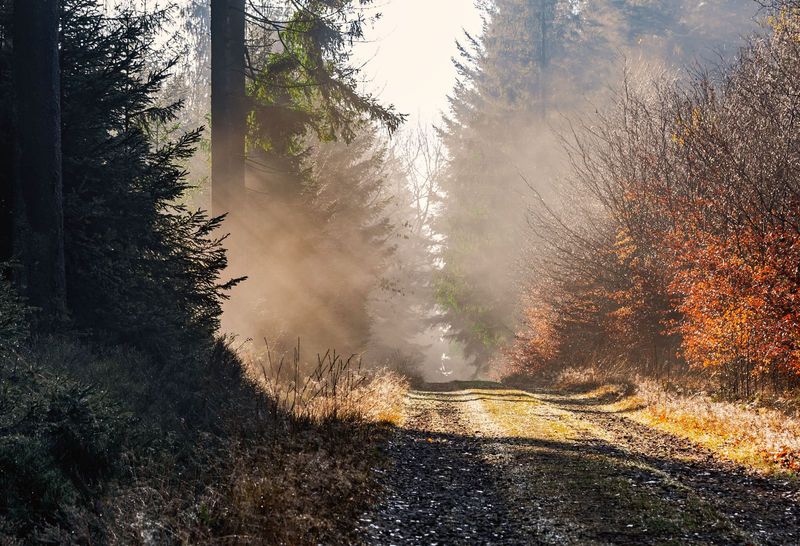
Later sections of her books shift to a forested winter landscape. Hart has lived in ski resorts and enjoys walking outdoors in snow. That preference for cold, wooded settings translated directly into her fiction. The contrast between desert and snow within a single series reflects the range of her own geography.
Childhood in Ghana
Saara El-Arifi's Faebound series incorporates West African cultural references. El-Arifi was born in Abu Dhabi to Ghanaian and Sudanese parents, later moved to the UK, and completed postgraduate study in African Studies. That background surfaces in her worldbuilding.
At the Manchester Literature Festival in 2025, El-Arifi discussed a creature in Faebound called Obeah. The name comes from West African tradition. Its appearance, a large feline form, was inspired by a memory from her childhood in Ghana. She recalled being told a leopard was watching her group during a trek. The memory stayed with her, eventually becoming part of her fictional bestiary.
War and Its Aftermath
Nikita Gill, a poet and novelist, released Hekate in 2026, a reimagining of the Greek goddess of crossroads and magic. The book is part of her Goddesses of the Underworld series. Gill grew up in Kashmir and Northern Ireland, both regions marked by military presence even outside active conflict.
She has explained that growing up in those environments shaped how she thought about a goddess born at the end of a war. The question of what loss looks like for a child with divine power, whose parents become prisoners, came from her own experience of living under occupation's residual weight.
Gill has also mentioned that the initial idea for Hekate arrived in a dream in 2019. Not long after, she walked through a forest to an old graveyard and began writing. The story took shape there, among the headstones.
Why Location Matters
The romantasy boom has coincided with a hunger for immersive reading. Readers want to feel transported, and that sense of elsewhere depends on detail. Writers who have lived in multiple places, or who have moved frequently, often develop a sharper eye for the specifics that make a setting feel inhabited.
Travel is not the only source of worldbuilding. Mythology, history, and imagination all play their part. But the physical act of being somewhere unfamiliar, of noticing how light falls differently or how a climate changes the rhythm of a day, gives writers raw material that pure invention cannot always replicate.
The Expanding Map
Fantasy literature has historically leaned on European medieval settings. The current wave of romantasy writers is pulling from a broader map. El-Arifi's West African references, Gill's experience in Kashmir, Hart's time in the Middle East, these are not exotic backdrops but lived contexts that carry weight.
Maas has spoken about not wanting to limit herself to one mythological tradition. That openness reflects a genre that is slowly becoming more geographically diverse, even as it remains commercially dominated by a few bestselling voices.
The sixth instalment of Maas's A Court of Thorns and Roses series, titled A Court of Splintered Harmony, arrives in bookshops on 27 October. The question of where her next fictional prison or palace will come from remains open. For now, the pattern is clear: the imaginary worlds that captivate millions of readers often begin with a writer standing somewhere real, paying attention.