A Ruined Cottage and a Bat Survey
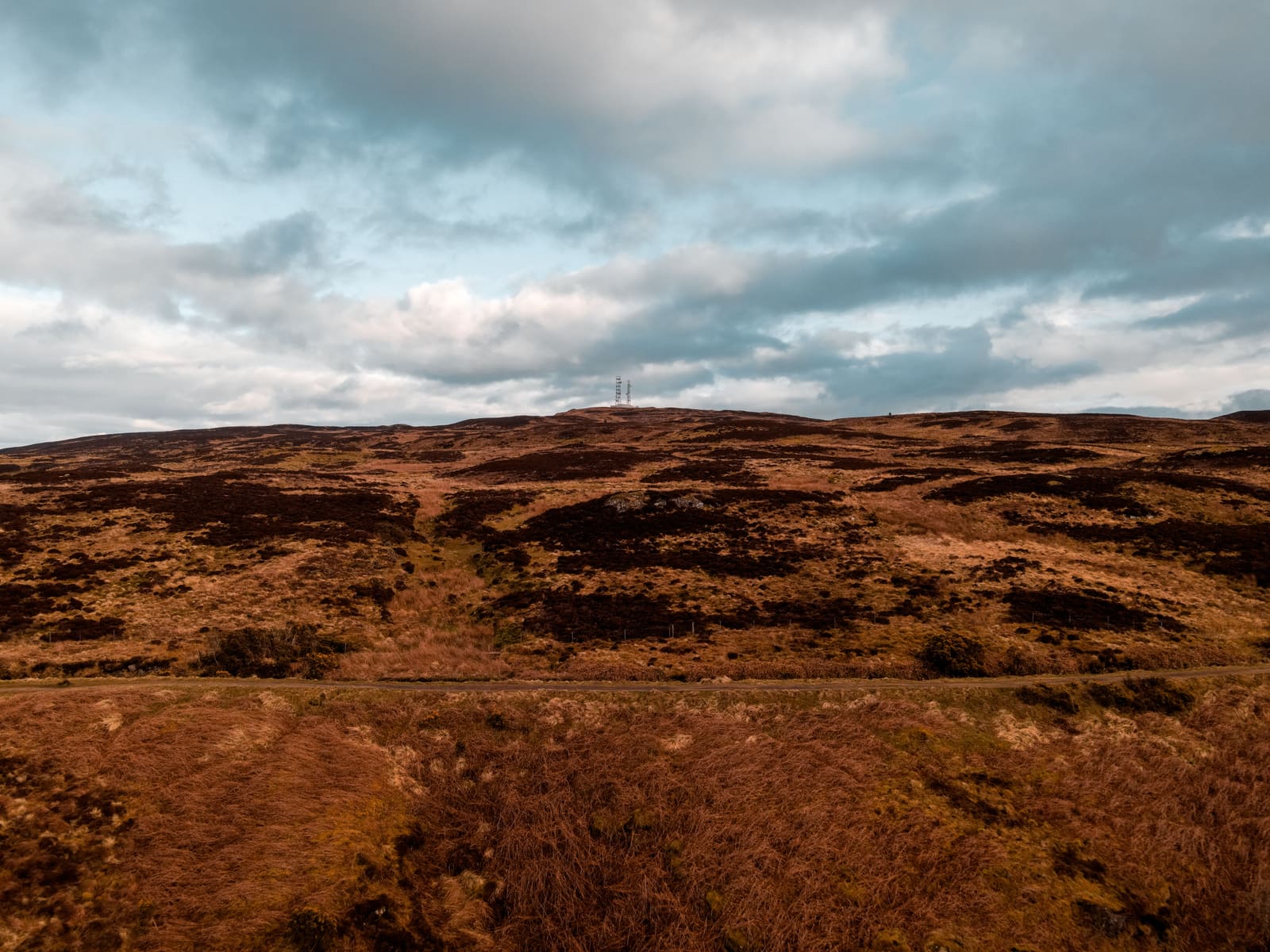
The Dashwood sisters' reduced circumstances in Jane Austen's Sense and Sensibility needed to feel real on screen. Location manager Ian Hutchinson and his team found their answer in a derelict stone shell deep within Dartmoor National Park, near Plymouth. The building had no doors, no windows, and rubble piled inside.
To make it work, the production built a two-storey stage set within the ruined walls, including a false floor to create an upper level and stairs connecting the spaces. The approach allowed director Georgia Oakley to film scenes continuously as actors moved from tight interiors out into Devon's landscape without cutting.
Before filming could begin, however, the crew needed clearance for the bats nesting inside. A specialist spent three nights monitoring how many flew in and out. If any were near the filming area, the production would have been unable to shoot. "Bats are very protected," Hutchinson said. The team commissioned a full ecological survey and put protective measures in place before receiving a permit.
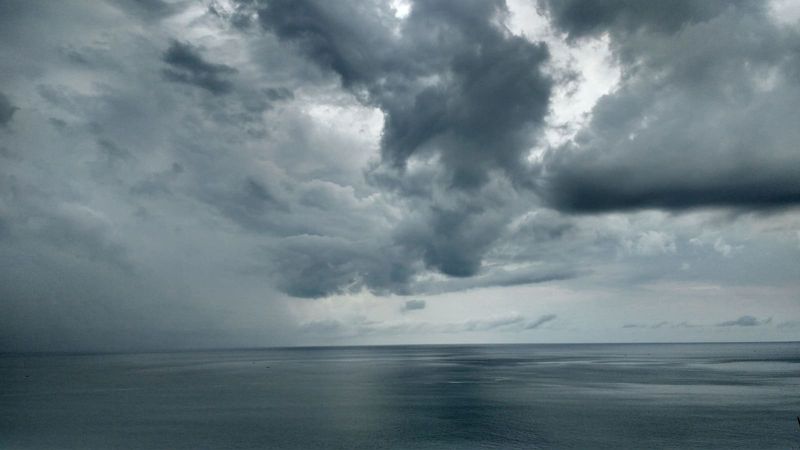
The remote location brought logistical challenges. Weather shifted from bright sunshine to driving rain and lightning within minutes. The nearest town, Plymouth, was 40 to 50 minutes away, complicating even basic tasks like delivering lunch.
Two Estates to Build One Home
The Dashwoods' beloved Norland Park, the grand estate they lose after their father's death, required two separate properties in Dorset. Kingston Maurward House provided the main architecture, with 16th-century interiors and expansive grounds. But it lacked the lake the production wanted for scenes where the sisters gathered outdoors.
Nearby Parnham Park supplied that missing element. Its wooden bridge and still water completed the estate's idyllic look. Once filming began, Hutchinson noted the site turned out to be richer than expected. "This is not just a body of water, this is a sea of wildlife," he said. The abundance of natural activity allowed the crew to enhance scenes beyond what was originally planned.
Granite Tracks at Dawn
Dartmoor's Haytor, a tourist spot known for its jagged granite rockfaces, served as the backdrop for a key travelling montage. The crew brought a horse and carriage to the steep tracks at dawn to capture the scene. "Not many people get to film there, and not many get to go there at dawn," Hutchinson said. Standing on the moor at four in the morning with the first light breaking, he recalled thinking it was a reminder of why he chose this work.
Finding the right property for Barton Cottage took three months of searching through roughly 50 remote buildings across the region. Many had been modernised, which conflicted with the production's aim to use genuine period features rather than relying on set dressing.
Gothic Castles and Georgian Townhouses
When Marianne falls gravely ill after a walk in the rain at Cleveland House, the film's tone darkens. The production paired Knebworth House in Hertfordshire, with its Gothic exterior, and Broughton Castle near Banbury, whose interiors retain a castle-like atmosphere, to represent the shift.
"In that time period there were lots of different architectural styles," Hutchinson explained. Knebworth's exterior conveys one mood, while Broughton's wood-panelled Gothic interiors provided the sombre feel the scene required.
For the London sequences, the team sought period locations that have changed little since they were built. Rainham Hall in Havering, now preserved as a National Trust museum, stood in for Mrs Jennings' house at Portman Square. Lincoln's Inn in Holborn provided street exteriors, with its collection of historic buildings requiring minimal digital clean-up - a few electrical lines, a satellite dish, road markings.
"We wanted real locations with genuine age," Hutchinson said. "We didn't want people to question on screen whether it's a build or not."
Five Months for One Reflection
Sometimes the simplest request proves the hardest to execute. Oakley wanted a specific shot of a carriage reflected in water as it crossed the grounds. The challenge lay in finding a bridge at the right height above a body of water deep enough to produce a full reflection.
Hutchinson searched for five months, continuing the hunt throughout the entire production. He finally found the right spot at Blenheim Palace in Woodstock. The shoot itself took about three hours, waiting for the right light. "It was one of the last things we shot," he said.
Contrast Through Architecture
The lavish, Italianate design of West Wycombe Park provided a visual shorthand for the Ferrars family's wealth and rigid social standing. The Palladian house needed virtually no set dressing.
"We knew that was the look we wanted to go for because it's a contrast to everything else in the film," Hutchinson said. The production used architecture deliberately to signal the characters' varying levels of wealth and lifestyle, reinforcing the story's themes through physical space rather than dialogue.
The approach reflects a broader decision throughout the production to prioritise authenticity. Rather than building sets or heavily dressing modern interiors, the team sought out buildings that retained their period character, even when it meant contending with bat surveys, unpredictable moorland weather, and months-long searches for a single bridge.