An Unplanned Return
Malaysia was not on this year's Formula 1 calendar. The Sepang International Circuit last hosted a Grand Prix in 2017, its slot dropped after nearly two decades as costs mounted and local interest waned. But when conflict in the Middle East forced the cancellation of the Bahrain Grand Prix, originally scheduled for April in Sakhir, Formula 1 needed an alternative venue. Sepang got the call.
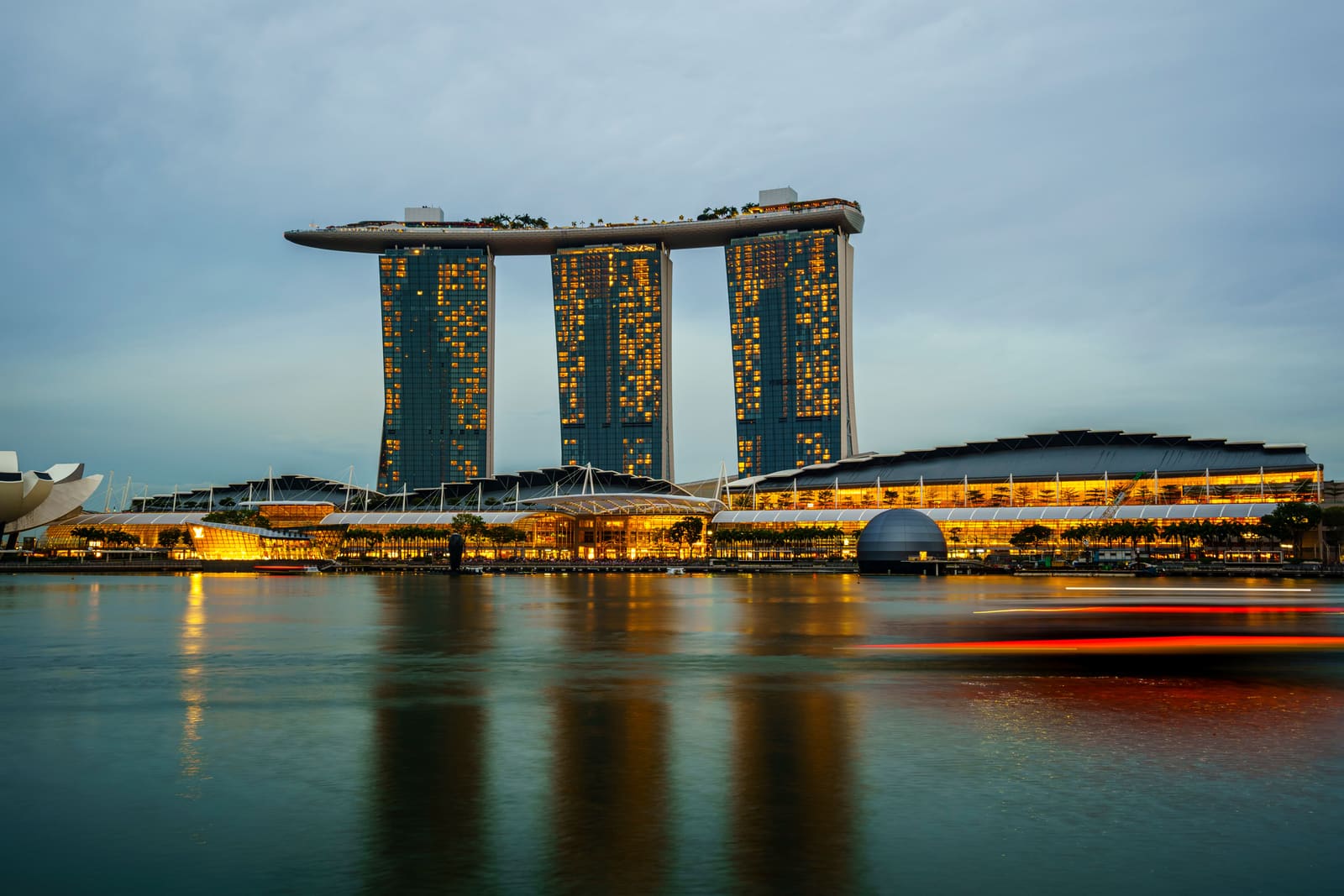
The Gulf Air Bahrain Grand Prix will now take place at Sepang from 2 to 4 October, just days before Singapore hosts its own race at Marina Bay from 9 to 11 October. The proximity has turned two standalone events into a de facto doubleheader, and the effect on travel bookings is visible in forward-looking data.
According to Amadeus Travel Intelligence, booked air arrivals from Kuala Lumpur to Singapore for 5 to 11 October are tracking 74 per cent higher year-on-year. That window covers the days immediately after the Malaysia race and leading into the Singapore event, a pattern that suggests fans are stringing the two weekends together rather than making separate trips.
Two Races, One Trip
The back-to-back scheduling creates an obvious incentive for motorsport fans. Instead of flying to Southeast Asia twice, or choosing one race over the other, many are simply staying in the region for the full week. That decision has implications beyond airfares.
Hotels in both Kuala Lumpur and Singapore are seeing extended bookings, with guests checking in ahead of the Malaysia race and staying through the Singapore event. Properties between the two cities, particularly those near transport hubs or in Johor Bahru, are also reporting upticks as travellers look for mid-week accommodation that splits the difference.
The shift is not just about convenience. Sepang and Marina Bay offer contrasting experiences: one is a purpose-built circuit in a semi-rural setting outside Kuala Lumpur, the other a street race through the heart of a dense financial district. For fans who want both the traditional racetrack atmosphere and the spectacle of a night race under floodlights, this October delivers both within a single journey.
A Windfall With Caveats
Malaysia's return to the F1 calendar is a one-off, not a permanent revival. Formula 1 has confirmed the Sepang race is a replacement event tied specifically to the Bahrain cancellation, and there is no indication the circuit will appear on future schedules. That limits the broader tourism value, but it does not diminish the immediate opportunity.
For Malaysian hotels, airlines, and hospitality operators, the race represents a sudden injection of demand during a month that would otherwise have been quieter. October sits between the peak summer travel season and the year-end holidays, and the added bookings help smooth out occupancy rates.
Singapore, meanwhile, benefits from the extended stays. Visitors who arrive early for the Malaysia race are more likely to spend extra days in Singapore after their own Grand Prix concludes, rather than flying out immediately. That translates to additional nights in hotels, more restaurant visits, and higher retail spending.
The arrangement is not without friction. The compressed timeline between the two races leaves little room for logistical flexibility. Teams, broadcasters, and support staff must move equipment and personnel from Sepang to Marina Bay in less than a week, a tight turnaround even by F1 standards. For travellers, the challenge is different but related: securing accommodation in both cities during what are now overlapping high-demand periods.
What It Signals
The Sepang-Singapore pairing is an accident of circumstance, not strategic planning. But it highlights how clustering major events can amplify their collective impact on travel. Regional tourism boards have long promoted multi-destination itineraries, yet the mechanics of event calendars rarely align to support them. When they do, the effect is measurable.
Other motorsport markets are watching. Australia and Japan, both of which host Formula 1 races, are geographically close enough that a similar pairing could work if scheduling allowed. The same logic applies to Europe, where multiple races take place within a few hours' drive of each other but are typically separated by weeks or months.
For now, the October doubleheader is a one-time scenario. Whether it becomes a template depends on how Formula 1 and host cities weigh the trade-offs. Concentrated demand can strain infrastructure and dilute the exclusivity that drives premium pricing. But it can also deepen engagement, turning casual attendees into committed travellers who plan their year around a circuit of events rather than a single weekend.
Malaysia's unexpected slot on the calendar may not last, but the travel patterns it has unlocked offer a glimpse of what happens when proximity and timing align.