A City Clearing Up at Different Speeds
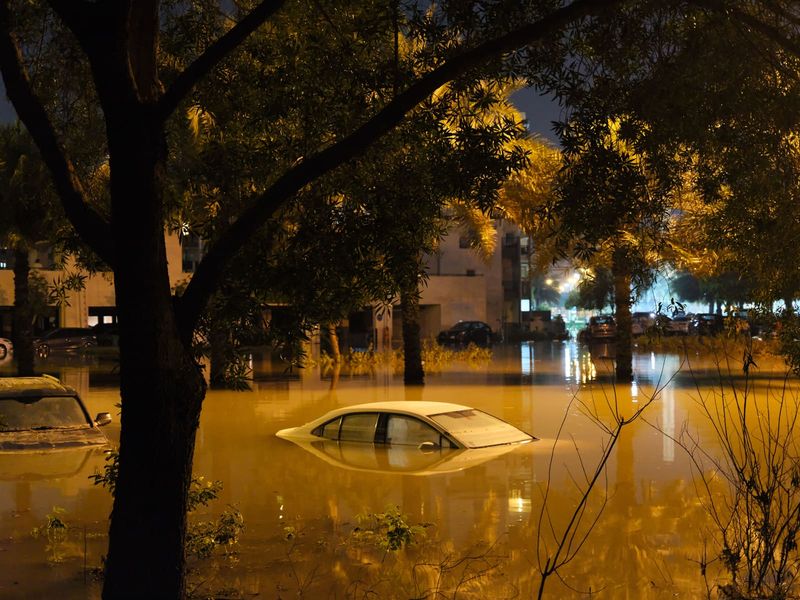
Bangkok's weekend flooding left 700,000 residents affected, according to the city's Flood Control Centre, and while water has begun draining from central streets, recovery is moving at different paces across the capital's 50 districts. Eastern sections saw the deepest inundation, forcing some families to evacuate temporarily. The governor estimated on Tuesday that arterial routes would need another 48 hours to clear, while low-lying pockets could remain waterlogged for a week.
All districts carry a disaster designation, yet the label does not mean uniform conditions. One neighbourhood may have dry pavements while another a kilometre away still has knee-high water blocking side streets. That patchwork complicates planning for anyone trying to reach a hotel, museum or transport terminal.
What the Official Guidance Actually Says
The UK Foreign, Commonwealth and Development Office updated its Thailand advisory to flag possible disruption in Bangkok, Nonthaburi, Pathum Thani and Samut Prakan. It stops short of recommending against travel to the capital because of flooding; separate warnings about border zones near Malaysia and Cambodia relate to security concerns unconnected to weather.
The Tourism Authority of Thailand confirmed on 29 September that most attractions stay open, city rail lines continue running, and both Suvarnabhumi and Don Mueang airports are handling flights. The caveat is that road networks remain patchy, so extra time for any ground journey is necessary.
Thailand's Meteorological Department forecast easing rain across much of the country by late September, though scattered thunderstorms were still expected in Bangkok and isolated downpours could hit northern, central and eastern zones. The lingering risk of landslides or localised flooding means checking hyperlocal conditions for a specific route rather than relying on a city-wide summary.
Flight Operations and a Baggage Mountain
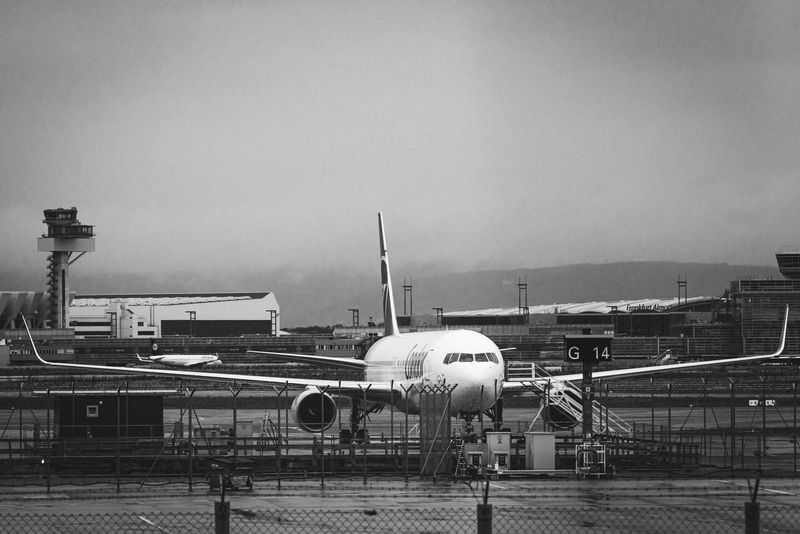
Open runways do not guarantee smooth departures. Thai Airways announced on Tuesday that flooding had prevented many employees from reaching work, prompting the carrier to cancel roughly 30 outbound flights from Bangkok. The airline also acknowledged a significant baggage backlog at Suvarnabhumi, calling in military personnel to help clear the jam.
Passengers arriving in Thailand faced delays collecting luggage, with the national tourism authority advising travellers to contact lost-and-found desks or use online tracking if bags did not appear on the carousel. The disruption underscores the ripple effect of localised flooding on an airport's landside operations, even when the terminal itself stays dry.
The government declared 28 and 29 September special public holidays in Bangkok and the three neighbouring provinces, aiming to reduce traffic in flooded zones. Some government offices and services operated with skeleton crews or closed entirely, though essential functions continued. Anyone needing an appointment at a consulate or municipal office was advised to confirm opening hours before travelling.
Navigating Uneven Conditions
For travellers already in the city, the challenge lies in the fact that an update describing Bangkok as a whole may not reflect the street immediately outside a guesthouse. One block can be passable while the next remains submerged, making it difficult to judge whether a planned outing is feasible without checking real-time traffic and transit apps.
Local authorities instructed residents and visitors to avoid wading through floodwater, which can conceal open drains or carry contaminants. Taxis may take circuitous routes or decline certain pick-up points, and ride-hailing apps sometimes show longer wait times in affected areas. Public transport, including the BTS Skytrain and MRT underground, stayed operational, offering a more predictable alternative when roads are impassable.
What Happens to Booked Trips
The disaster declaration does not automatically trigger refund rights. What a traveller can recover depends on the terms of their booking, whether a provider cancels a service, and the wording of any travel insurance policy. A flooded road that makes a hotel difficult to reach is different from an airline cancelling a flight outright; the former may not qualify for a no-penalty cancellation under standard fare rules.
Travellers considering changes should contact airlines, hotels or tour operators before cancelling independently. Self-initiated cancellations often forfeit refunds that might be available if the provider cancels first. Insurance claims hinge on policy language and whether the Foreign Office advice meets the threshold specified in the contract, so reading the full text of any advisory is important rather than assuming a general warning covers every scenario.
Those due to depart in the coming days should verify flight status directly with the carrier, confirm that their accommodation remains accessible, and map out ground transport to the airport with buffer time for detours. The Tourism Authority recommends allowing significantly more time than usual for journeys to transport hubs, given the possibility of closed streets or rerouted buses.
The Bigger Picture
Bangkok's drainage infrastructure has long struggled with intense monsoon rain, and climate projections suggest heavier downpours will become more frequent across Southeast Asia. This episode adds to a pattern of seasonal flooding that periodically disrupts the capital, though the severity varies year to year.
For the travel industry, the weekend deluge highlights the gap between operational status and practical accessibility. An airport can remain open, a hotel can keep its doors unlocked, yet getting from one to the other becomes a logistical puzzle when streets turn into canals. Real-time information and flexible booking policies matter more in these conditions than blanket reassurances that a city is safe to visit.
As water levels drop, the focus shifts to restoring full mobility across the metro area. Until then, anyone heading to Bangkok should treat the city as open but complicated, where each journey requires a fresh check of conditions rather than assumptions based on yesterday's forecast.