A Sudden Exit
Will Rogers has left his position at East Midlands Railway after more than six years at the helm, stepping down at a moment when the operator faces some of its most acute challenges. The departure, announced without a transition period, comes as passengers endure a heavily reduced timetable on one of Britain's key north-south corridors.
Merseyrail managing director Neil Grabham will step in on an interim basis. Grabham previously worked with EMR and described the operator as holding "a special place" for him. His appointment suggests parent company Transport UK is reaching for familiar hands during a turbulent period.
Rogers joined EMR in January 2020, weeks before the pandemic upended rail travel across Britain. His tenure spanned the collapse and slow recovery of passenger numbers, making him one of the longer-serving leaders in an industry marked by frequent management turnover.
Fleet Troubles and Service Cuts
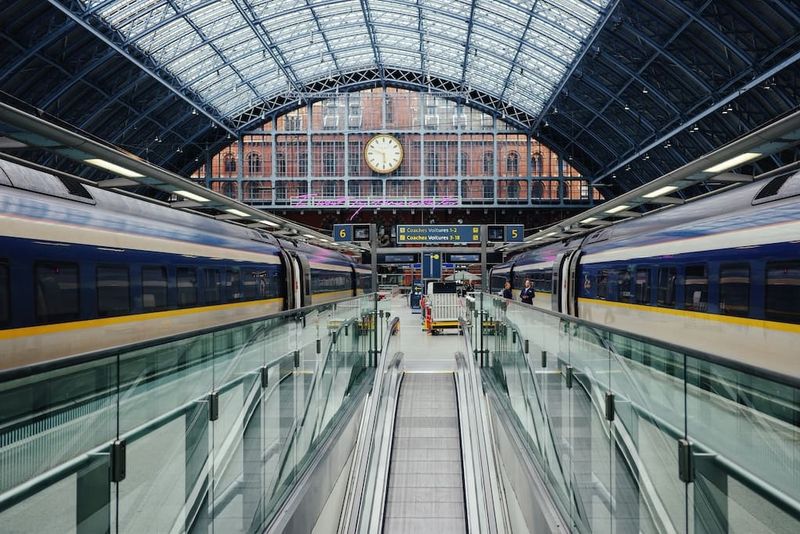
The immediate backdrop to Rogers's departure is a summer of disruption. Since late July, EMR has been running a stripped-down intercity schedule between London St Pancras and cities including Nottingham and Sheffield. Around twenty fast trains per day have been removed from the timetable, a significant reduction on a route that serves millions of passengers annually.
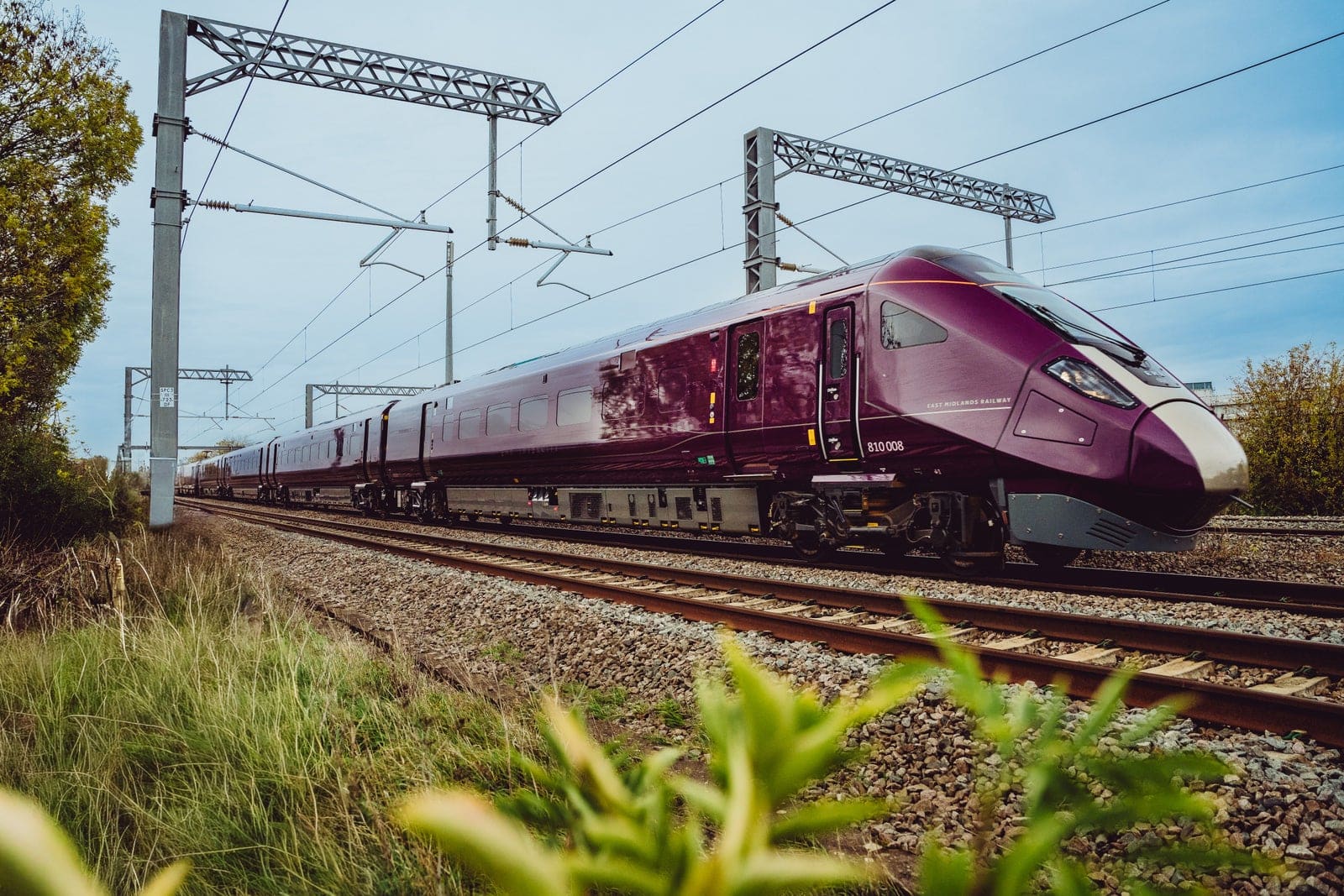
The cuts stem from ongoing reliability and maintenance problems with Hitachi Rail's Class 810 fleet, according to EMR. The trains were introduced last year after a three-year delay intended to ensure a smooth handover from the older Class 222 units. Instead, the new fleet has struggled to deliver consistent service, forcing the operator to pull back its commitments.
Fleet introductions rarely go perfectly, but the scale of the Class 810 issues has been unusual. Passengers booking travel this summer have faced uncertainty over whether their trains will run, a frustration compounded by limited alternative routes on the Midland mainline.
The Shadow of Bedford
Rogers also led EMR through the aftermath of a fatal crash near Bedford in June. Two EMR trains collided, killing one driver and injuring passengers. The incident brought intense scrutiny to the operator's safety protocols and operational oversight.
Transport UK chief executive Dominic Booth noted that Rogers "gave his all" in responding to the tragedy. The human and regulatory toll of such events is significant for any rail leader, and the timing of his departure suggests the weight of recent months may have been a factor.
Rogers himself cited family time as a reason for stepping back, describing his tenure as a privilege but acknowledging it was "the right time" to leave. Whether the decision was entirely voluntary or shaped by pressure from above remains unclear, but the immediate nature of the exit is striking.
What Comes Next
EMR is scheduled to return to public ownership next year, part of a broader shift in British rail policy. The operator's contract with Transport UK will end, and services will be absorbed into a state-run model. That transition adds another layer of complexity to an already difficult period.
Grabham's interim role suggests no permanent successor is yet in place. He inherits a business under strain, with fleet problems unresolved and passenger confidence shaken. His immediate task will be stabilizing operations and restoring some version of normal service before the franchise changes hands.
For passengers, the leadership change is unlikely to bring quick relief. The Class 810 issues are technical and logistical, not simply a matter of management. Until Hitachi and EMR resolve those problems, the reduced timetable will likely persist.
The departure of a managing director is rarely a simple story. Rogers leaves an operator in crisis, but also one shaped by years of pandemic disruption and underinvestment. His successor, whether interim or permanent, will face the same structural challenges that defined his tenure.