Building Connectivity Before the Planes Arrive
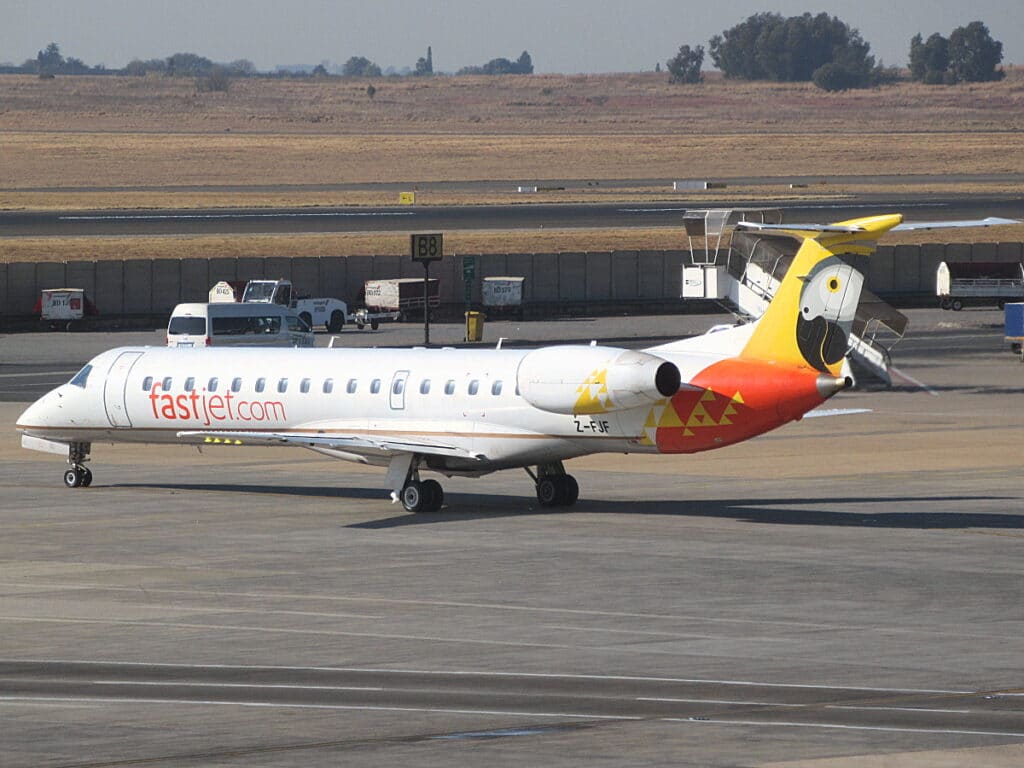
Etihad Airways moved quickly in July 2026, signing three separate partnership deals with African carriers before its new routes even begin. The UAE-based airline inked interline agreements with Fastjet Zimbabwe, Air Peace, and Africa World Airlines, giving passengers onward connections to more than 20 destinations the airline doesn't fly to itself.
The timing is deliberate. Etihad announced six new African routes back in April and is now locking in the ground network to support them. When the first flights depart in November, travelers will already have options to connect deeper into the continent through partner airlines.
Arik De, Etihad's Chief Commercial and Revenue Officer, described the approach as shaped to each market. According to De, the airline is moving to keep pace with Africa's fast-growing aviation sector, and the agreements signed in July reflect that urgency.
Three Deals, Three Markets
The first agreement came early in the month with Fastjet Zimbabwe, a regional carrier focused on Southern Africa. The partnership gives Etihad passengers access to Fastjet's domestic and regional network, particularly useful once direct flights to Harare begin.
On July 22, Etihad signed with Air Peace in Lagos. Nigeria's largest airline operates across 20 destinations in West and Central Africa, and the interline deal opens up cities Etihad has no plans to serve directly. For travelers heading beyond Lagos or Abuja, the partnership fills a gap.
Two days later in Accra, Etihad signed a broader memorandum of understanding with Africa World Airlines, a Ghana-based carrier. This agreement goes beyond simple interline ticketing to include codeshare flights, cargo cooperation, and reciprocal loyalty benefits. The deeper structure suggests Etihad sees Ghana as a more strategic hub within its African network.
Abu Dhabi as African Gateway
The partnerships are part of a broader effort to position Abu Dhabi as a connecting point between Africa and markets to the east. Etihad already operates a joint venture with Ethiopian Airlines, and the new deals extend that logic across multiple carriers and geographies.
For passengers, the appeal is straightforward: one ticket, checked baggage through to the final destination, and coordinated schedules that reduce layover hassle. For Etihad, the model allows expansion without the cost and complexity of operating its own flights to every city.
The strategy also taps into growing economic ties between the UAE and African nations. The UAE signed a trade agreement with Nigeria in January 2026, and air connectivity tends to follow commerce. Cargo capacity is particularly tight on some routes, and the partnerships with carriers like Africa World Airlines address that gap.
What Travelers Can Expect
Tickets combining Etihad and partner flights will become available as each agreement takes effect. Etihad has not disclosed exact start dates for every route or partnership, but the November launch window for the six new African destinations provides a rough timeline.
Passengers booking through Etihad's website or app will see partner flights as options when searching for destinations beyond the airline's own network. The codeshare arrangement with Africa World Airlines means some flights will carry an Etihad flight number even when operated by the Ghanaian carrier.
Loyalty members can expect to earn miles on partner flights, though the exact earn rates and redemption options will depend on the fare class and specific partnership terms. The agreement with Africa World Airlines explicitly includes loyalty cooperation, while the interline deals with Fastjet and Air Peace focus on ticketing and baggage.
The Bigger Picture
Etihad's African expansion reflects confidence in the continent's long-term growth. Passenger traffic in Africa has been rising faster than the global average, driven by a growing middle class, urbanization, and improved regional integration.
But the market remains fragmented. Many African cities lack direct connections to each other, let alone to hubs in the Middle East or Asia. Airlines that can stitch together networks through partnerships stand to capture a disproportionate share of traffic.
Etihad is not alone in this push. Qatar Airways, Emirates, and Turkish Airlines have all expanded their African footprints in recent years. The competition is less about individual routes than about who can offer the most seamless journey across multiple legs.
For travelers, the result is more choice. A passenger flying from Mumbai to Accra via Abu Dhabi can now continue to Kumasi or Tamale on Africa World Airlines under a single booking. A business traveler heading from London to Lagos can connect onward to Port Harcourt or Enugu through Air Peace.
The cargo angle matters too. African economies are diversifying, and demand for air freight is rising. Perishable goods, pharmaceuticals, and e-commerce shipments all benefit from faster, more reliable connections. The partnership with Africa World Airlines includes cargo cooperation, suggesting Etihad sees freight as a revenue driver alongside passenger traffic.
What Comes Next
Etihad has not announced further African partnerships, but the pace of deals in July suggests more could follow. The airline's existing joint venture with Ethiopian Airlines covers East Africa, and the new agreements extend reach into West, Central, and Southern regions. North Africa remains less covered, though Etihad already serves Cairo.
The success of the strategy will depend on execution. Interline agreements only work if schedules align, baggage transfers smoothly, and passengers don't face long waits between flights. Etihad's reputation for service quality gives it an advantage, but the experience on partner carriers will shape how travelers perceive the overall journey.
For now, the November route launch looms as the first test. If the partnerships deliver on their promise, Etihad will have a scalable model for growth across a continent where building a wholly owned network would take years and far more capital.