A Harbour Under Pressure
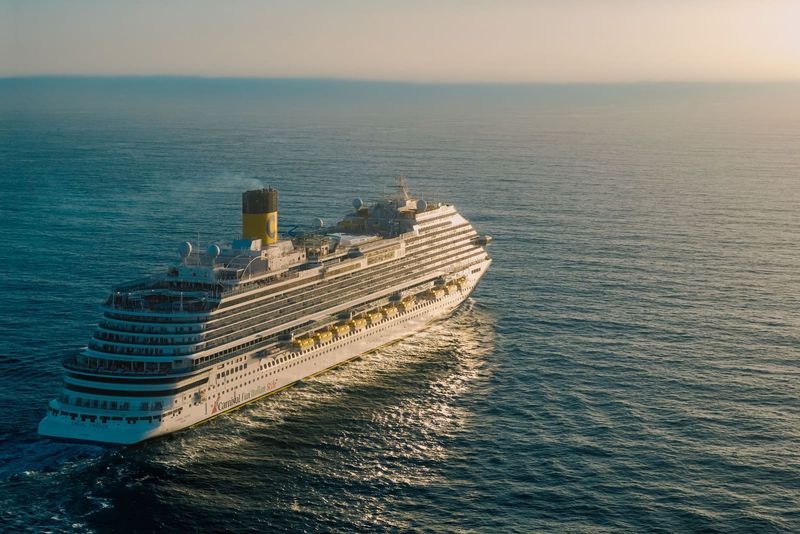
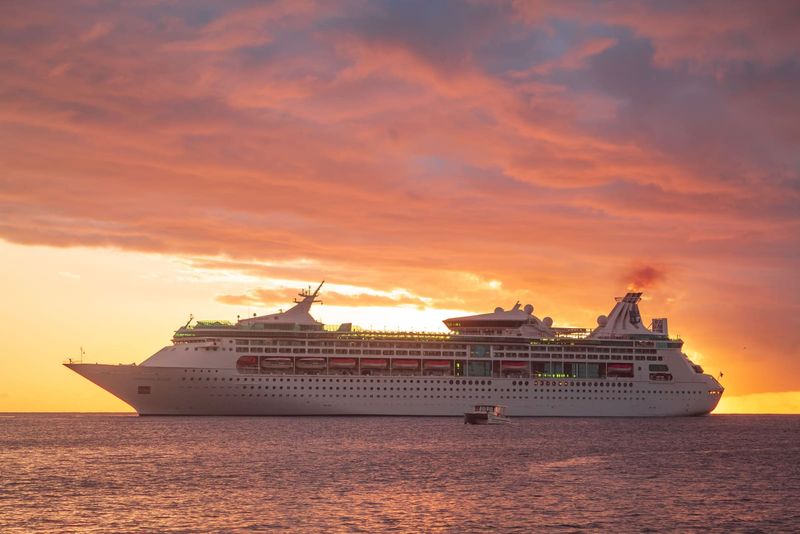
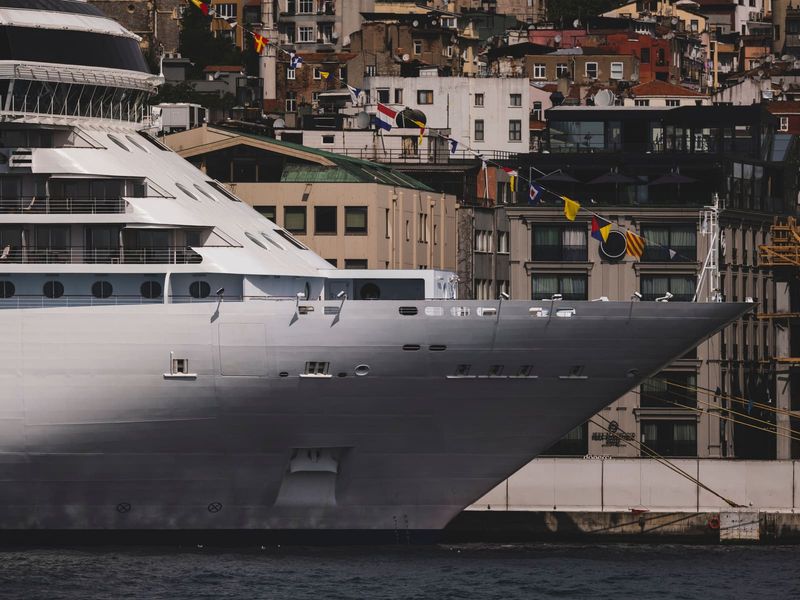
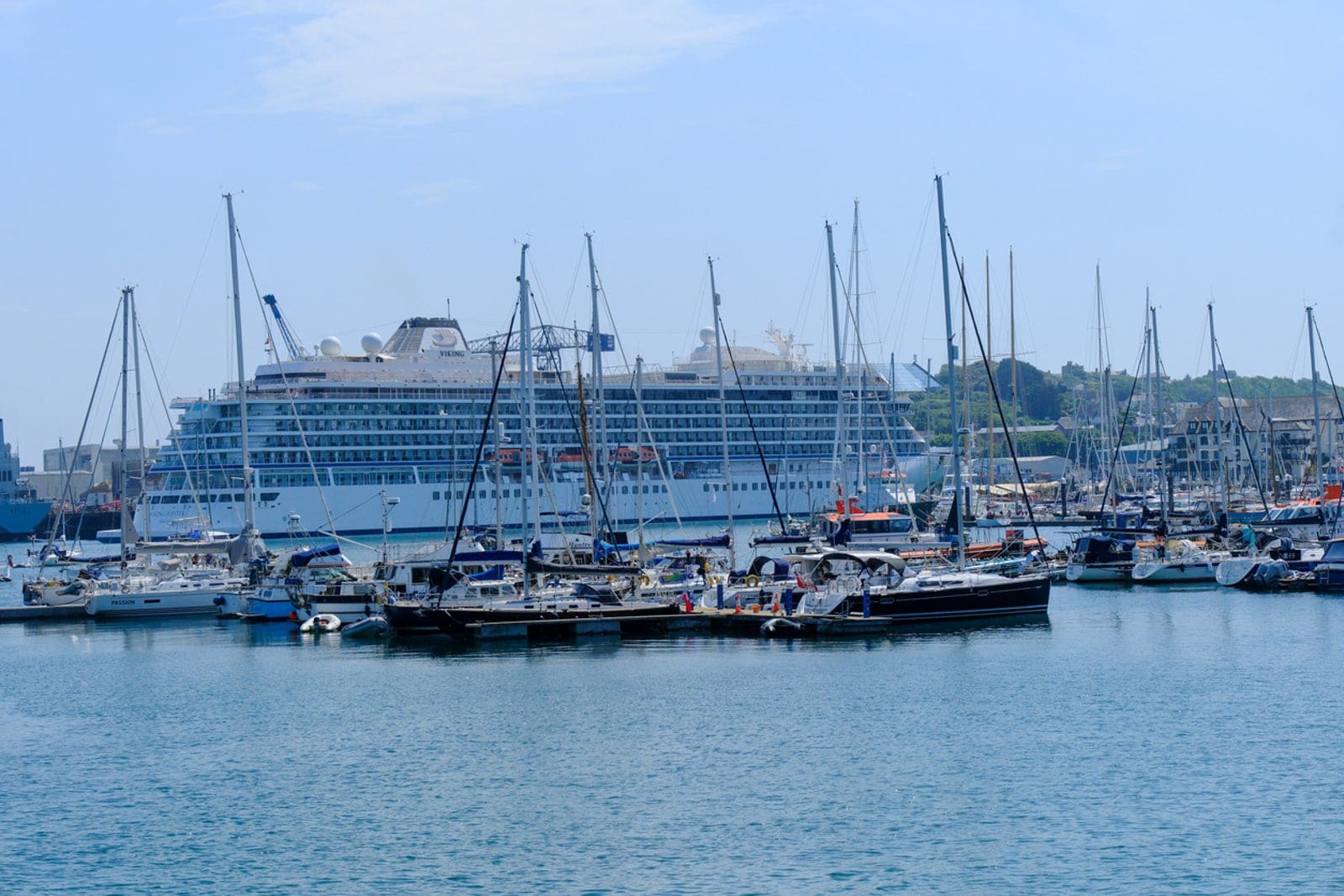
Falmouth Docks in Cornwall is at the centre of a planning battle that pits economic ambition against environmental protection. The proposed £150 million expansion would allow cruise ships carrying up to 5,400 passengers to berth at the harbour, nearly double the current maximum capacity. The application, submitted to Cornwall Council, includes demolition of existing buildings, construction of new wharf structures, and space dedicated to floating wind power activities.
The harbour currently welcomes around 40 cruise ships annually, most carrying no more than 3,500 passengers. The upgrade would extend berths to accommodate vessels up to 345 metres in length, a significant leap in scale. Government projections suggest the overhaul could draw 200,000 cruise visitors each year by 2030 and contribute £13 million to the local economy. Hundreds of jobs are expected to follow, alongside support for renewable energy infrastructure and broader economic growth across south-west England.
Yet by mid-August, the planning application had attracted 376 objections. A community petition has gathered momentum, reflecting local unease about the social and environmental cost of expansion. Residents worry about the spread of sediment and toxic substances during dredging, as well as the potential harm to marine species that depend on the Fal estuary's delicate ecosystems.
Protected Habitats at Stake
The waters around Falmouth are home to nationally significant marine habitats, including maerl beds, seagrass meadows, and areas traditionally harvested for Fal oysters. Maerl, a slow-growing calcified seaweed, provides critical habitat for fish and invertebrates but is highly vulnerable to disturbance. Seagrass meadows, meanwhile, store carbon and support biodiversity, making their preservation a priority for conservation groups.
Cornwall Wildlife Trust has submitted a holding objection to the proposal, flagging concerns about dredging, sediment management, and the impact on marine life. Dan Barrios-O'Neill, the trust's head of marine conservation, acknowledged the importance of a thriving port but cautioned against weakening environmental safeguards in the rush to approve development. He pointed out that the Fal's marine ecosystems are irreplaceable and deserve rigorous protection, especially when planning decisions are accelerated.
The trust has not opposed the expansion outright, signalling that its concerns could be addressed through stronger environmental commitments and clearer mitigation strategies. Still, the breadth of objections suggests that trust in the planning process is fragile, and that residents feel their voices are secondary to economic targets.
Fast-Tracked Approvals and Local Pushback
In October, the government accelerated planning approvals for the Falmouth project, framing it as a catalyst for job creation and clean energy development. The decision reflects a broader policy push to streamline infrastructure projects, particularly those linked to economic growth and renewable energy. But for many in Cornwall, the fast-tracking raises questions about whether environmental scrutiny is being sacrificed for speed.
The tension is not unique to Falmouth. Across coastal regions, communities are grappling with the trade-offs of cruise tourism, an industry that brings spending and employment but also congestion, pollution, and strain on local resources. In Falmouth, the debate is sharpened by the proximity of protected marine habitats and the cultural significance of oyster fishing, which has shaped the area's identity for generations.
The proposal is scheduled to go before Cornwall Council's Strategic Planning Committee on 20 August. If approved, the project will also require sign-off from the Marine Management Organisation, the body responsible for regulating activities in English waters. Assuming both approvals are granted, new facilities are expected to be operational by 2030.
What Comes Next
The outcome will likely hinge on whether developers can demonstrate credible plans to monitor and mitigate environmental damage. Dredging, in particular, poses risks to seabed habitats, and sediment plumes can smother marine life or carry contaminants. Without transparent data and enforceable commitments, objections are unlikely to subside.
For Falmouth, the decision will shape not only the harbour's future but also the balance between economic development and environmental stewardship in a region that depends on both tourism and natural assets. The debate underscores a broader question facing coastal destinations: how much growth is worth the cost, and who gets to decide.