A Divided Sky
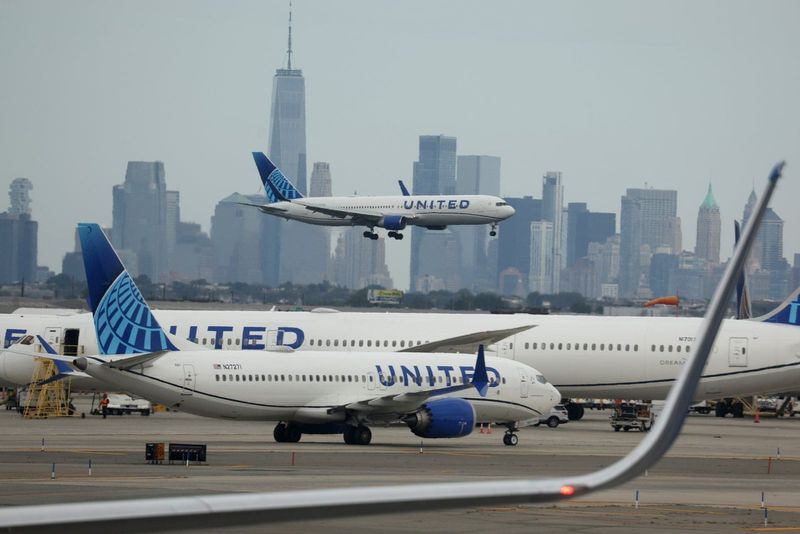
The geography of commercial aviation has split along political lines. Thirty carriers continue to operate through Russian territory or land at airports within its borders, according to current schedules. The majority come from China, Central Asia, Turkey, the Middle East and parts of Africa. Carriers from Europe and North America, meanwhile, have abandoned those corridors entirely since early 2022.
The divide stems from reciprocal airspace bans imposed after the war in Ukraine began. Brussels, London and Washington closed their skies to Russian-registered aircraft. Moscow retaliated by barring airlines from approximately thirty-five countries and territories. Carriers caught in the restrictions had to cancel services and redraw route maps. Those from nations that imposed no such bans, however, retained access.
The result is an uneven playing field. Some airlines can still trace the shorter great-circle paths between Europe and Asia. Others must arc far to the north over the Arctic or swing south through Central Asia and the Middle East, adding distance, time and expense to nearly every journey.
Who Still Flies Where
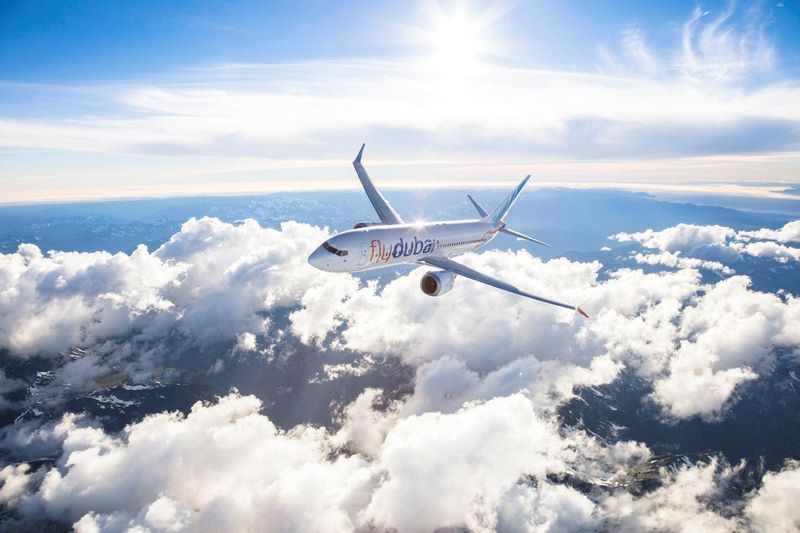
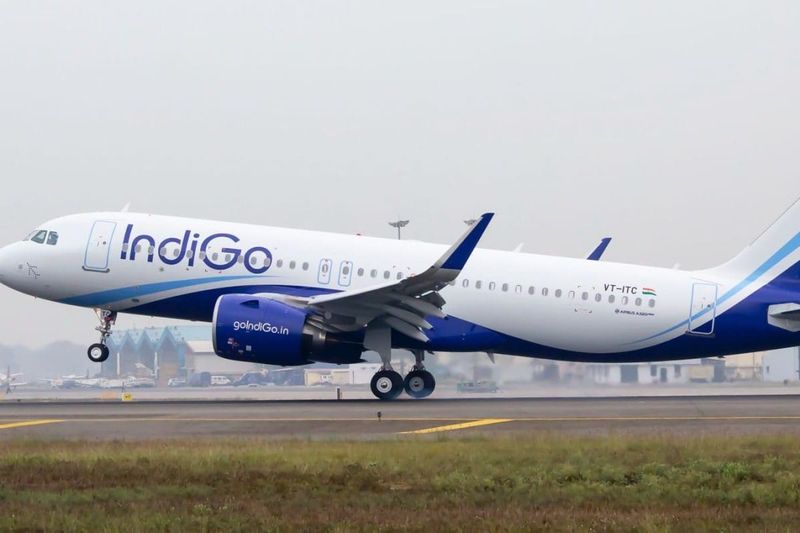
The thirty carriers span three continents. In Asia and the Middle East, the list includes Air Arabia, Air China, Air India, China Eastern, China Southern, Emirates, Etihad, flydubai, FlyOne Armenia, Georgian Airways, Hainan Airlines, Iraqi Airways, Mahan Air, Oman Air, Qanot Sharq, Qatar Airways, SCAT Airlines, Shirak Avia, Somon Air, Syrian Air and Uzbekistan Airways.
African operators number five: Air Algérie, EgyptAir, Ethiopian Airlines, Nouvelair and Royal Air Maroc. In Europe, only four remain: Air Serbia, Belavia, Pegasus Airlines and Turkish Airlines.
Some of these carriers serve Moscow, St Petersburg and other cities inside the country. Others simply overfly the territory en route to destinations further east. Air India, for instance, crosses the country on certain long-haul legs but does not schedule passenger flights to any point within it.
The Cost of Detours
Distance matters in aviation. A London-to-Beijing flight can stretch nearly 1,000 miles longer when pilots must steer clear of the country. That translates to roughly two additional hours aloft, depending on winds and the precise track chosen. Extra flight time means extra fuel, more crew duty hours and higher wear on engines and airframes.
The penalty extends beyond the balance sheet. Longer routes generate more carbon dioxide at a moment when the industry has committed to cutting emissions. European and American airlines have argued publicly that competitors still crossing the country enjoy a structural advantage: shorter block times, lower fuel burn and reduced labour costs on overlapping city pairs.
Chinese, Indian and Gulf carriers can sometimes undercut European rivals on both price and schedule because of the geography they are allowed to use. That advantage has prompted complaints from airline associations in the West, though no formal challenge has emerged at the international level.
Safety Warnings and Operational Risk
Carriers that maintain the routes say they monitor the security environment constantly. Qatar Airways has stated that it evaluates all available intelligence and adapts operations when necessary, drawing on safety assessments, geopolitical analysis and guidance from authorities.
Pegasus Airlines cancelled a handful of flights to the country on 1 and 2 September, citing technical and operational reasons, then resumed the rest of its schedule. The incident highlighted the fragility of the status quo.
In early September, Ukraine's president issued a pointed caution. Volodymyr Zelensky said Ukrainian drones were now operating deep inside the country, including near its two largest cities. He warned that the airspace was becoming unsafe. Ukraine has formally notified the International Civil Aviation Organisation, the United Nations body that sets global aviation standards, about the heightened risk.
Kyiv has made clear it does not target civilian aircraft. The concern is inadvertent harm: a passenger jet mistaken for a military drone, or an airliner caught in the path of air-defence fire during an engagement. Aviation-risk consultancy Osprey Flight Solutions has noted that miscalculation and misidentification are likely in zones linked to the conflict.
The country's air-defence network includes surface-to-air missiles capable of reaching aircraft at cruise altitude. Drone incursions have already caused delays, cancellations and temporary airspace closures at several airports.
Moscow has rejected the Ukrainian assessment. Transport Minister Andrei Nikitin said officials were continuously improving flight safety and airport security requirements, working closely with the defence ministry and National Guard. The civil aviation authority has stated that airports remain open to both domestic and foreign operators.
Precedents That Linger
The risk of misidentification is not theoretical. In July 2014, Malaysia Airlines flight MH17 was shot down over eastern Ukraine, killing all 298 people aboard. In 2025, the ICAO Council formally attributed responsibility to Russia for the aircraft's destruction.
More recently, an Azerbaijan Airlines plane was damaged near Grozny in December 2024 while air-defence systems were active in response to Ukrainian drones. The aircraft crashed in Kazakhstan, killing thirty-eight. Russian President Vladimir Putin later acknowledged that two missiles had detonated in proximity to the plane.
Those incidents remain reference points for airlines weighing the trade-off between route efficiency and exposure. Some carriers have advised passengers that delays and diversions remain possible as circumstances shift. Others continue operations without public comment, leaving the calculus to internal risk teams and insurers.
A Market Remade
The current arrangement is unlikely to change soon. Geopolitical tensions show no sign of easing, and the airspace bans are tied to broader sanctions regimes that have proved durable. For now, the global route network remains fractured, with some airlines enjoying shorter paths and others resigned to longer ones.
The divergence has reshaped competition on intercontinental routes, tilted cost structures and complicated efforts to reduce aviation's environmental footprint. It has also underscored how quickly the infrastructure of international travel can be redrawn when diplomacy breaks down.