A Charge That Hasn't Changed Behaviour
Venice introduced its day-tripper entry fee in 2024 with 29 peak days at €5 per person. By 2026, the city had expanded enforcement to 60 days and doubled the charge for last-minute bookings, yet officials say the levy has not delivered the crowd control they expected.
Michele Zuin, the city's budget and taxation councillor, told regional newspaper Il Gazzettino that the current pricing is too accessible. At €5 to €10, the fee remains affordable for nearly everyone, he said, which means it no longer functions as a deterrent. Discussions with the national government are now under way for 2027, with proposals ranging from €30 to as high as €50 per day.
Overnight visitors already pay a separate tourist tax of €1 to €5 per person per night, depending on accommodation type. The day-tripper fee targets a different segment, one that local protesters argue places disproportionate strain on the city's infrastructure without contributing to its upkeep through lodging taxes.
Revenue Up, Visitor Numbers Down Slightly
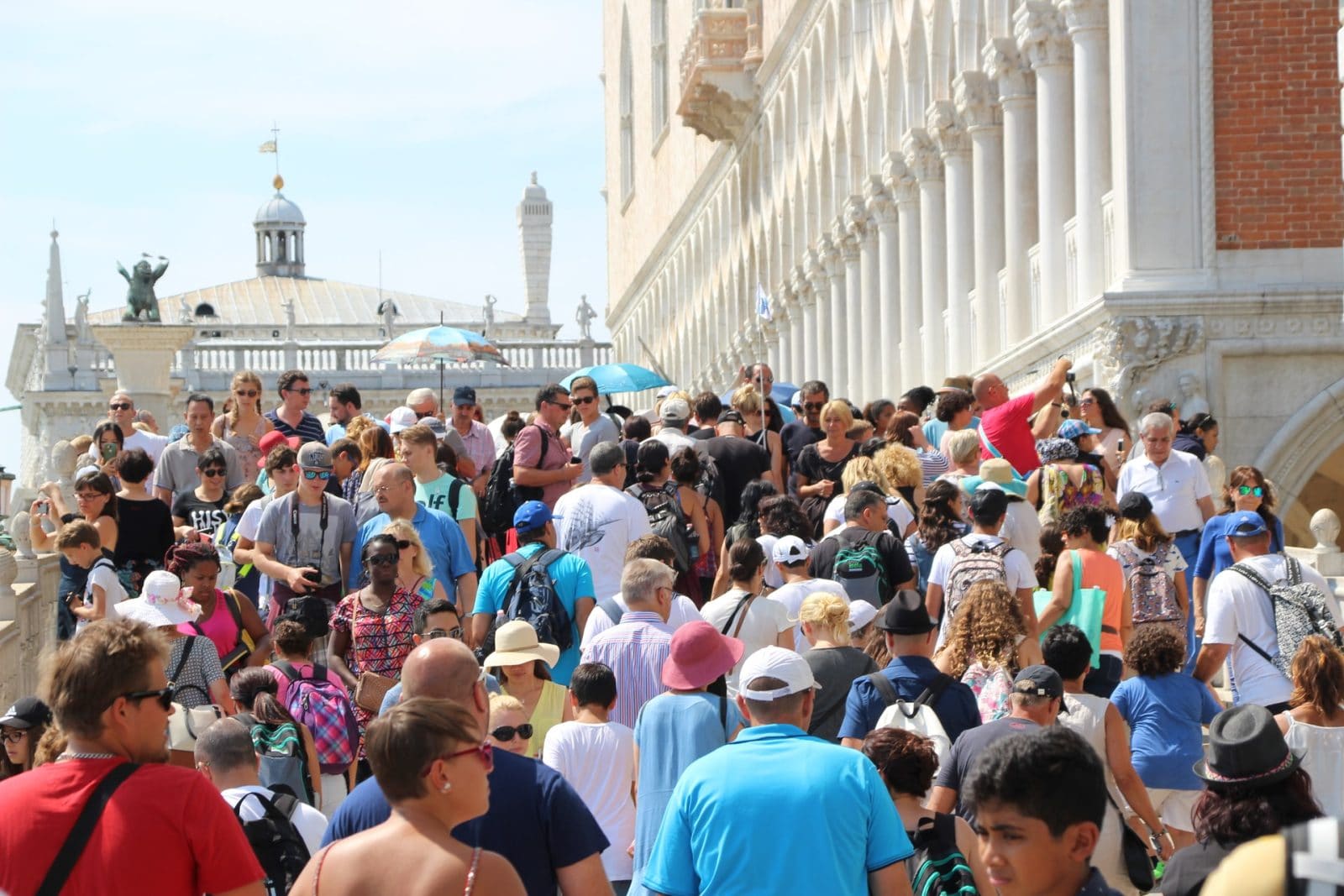
Provisional municipal data show the 2026 trial generated more than €5.2 million from nearly 680,000 ticket sales across 60 charging days. Average daily ticket sales dropped 32.3 per cent compared with 2024, falling to 11,326 per day.
The number of exceptionally busy days also declined. In 2024, four days recorded at least 20,000 paid entries. That figure fell to three in 2025 and just one in 2026, even though the number of charging days more than doubled.
The municipality cautions that the data remain incomplete. Weather, public holidays and broader tourism trends all influence visitor flows, making it difficult to isolate the impact of the fee alone. Further analysis is needed before officials can determine how much of the decline stems from the charge itself.
Dynamic Pricing on the Table
Mayor Simone Venturini, who served as councillor for tourism and social cohesion when the scheme launched, has long supported both higher fees and more charging days. In July, he said the current €10 cap had not deterred enough visitors on the busiest days.
Rather than a blanket increase, Venturini favours dynamic pricing that would allow the fee to rise with demand. The approach would mirror airline and hotel pricing models, charging more when visitor pressure is highest.
Venturini pointed to the city's annual maintenance costs, which he put at €100 million. Neither the European Union nor the Italian government contributes to that bill, he said, and international critics of the fee do not fund the city's upkeep either. The cost falls on Venetians and is covered in part through tourism taxes.
When the scheme launched in 2024, Venturini told Reuters that no one expected day-trippers to miraculously disappear. The measure would become more effective over time, he said, as the city increased both the number of charging days and the price.
A Fee Still Looking for Its Purpose
Three years in, the experiment has produced revenue but not the behaviour change officials hoped for. The modest decline in ticket sales suggests some visitors are choosing other dates or destinations, but the overall effect remains limited.
A sixfold increase to €30 would place Venice among the most expensive day-visit destinations in Europe. Whether that price point will shift travel patterns or simply generate more revenue without reducing congestion is unclear.
The proposal still requires approval from the national government. If enacted in 2027, it would mark the sharpest escalation yet in Venice's efforts to manage visitor numbers through pricing, a strategy that has so far delivered mixed results.