A Pilot That Raised Money but Not Deterrence
Venice collected more than €5.2 million from nearly 680,000 ticket sales during its 2026 tourist entry scheme, which ran on select dates between 3 April and 26 July. Yet the city's budget councillor now says the €5 to €10 charge has proven too affordable to change behaviour.
Michele Zuin told a regional newspaper on Sunday that the current pricing lacks the deterrent effect the measure was designed to achieve. For 2027, he said, the city is considering a maximum daily rate of €30, though some internal discussions have mentioned figures as high as €50. Any new pricing structure will require approval from Italy's national government, according to Zuin.
The scheme applies only to day-trippers visiting the historic centre. Overnight guests already pay separate accommodation taxes. Children under 14, residents, and certain other groups remain exempt. Early bookers secure lower rates within the current €5 to €10 bracket, and the charge applies only during daytime hours, typically from 8.30 a.m. to 4 p.m.
Why the Current Fee Isn't Working
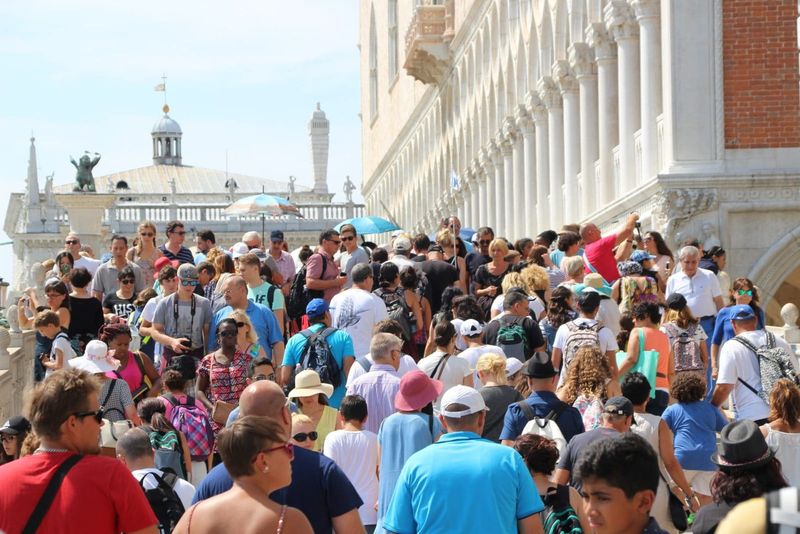
Mayor Simone Venturini, elected in June 2026 after previously serving as the city's tourism chief, said in July that the €10 ceiling has done little to thin crowds on the busiest days. He proposed a variable pricing model that would raise the fee in line with demand, similar to how airlines and hotels adjust rates.
Venturini framed the discussion around maintenance costs. Venice spends roughly €100 million annually to preserve its physical infrastructure - canals, bridges, pavements constantly exposed to water and salt - and the mayor said neither the European Union nor the Italian state covers that bill. Tourism taxes, he argued, are among the few revenue streams the city controls.
The tension between revenue and deterrence sits at the centre of the debate. A higher fixed fee would generate more income per visitor but might not reduce total arrivals if tourists treat it as a standard cost of entry. Surge pricing, by contrast, could push price-sensitive travellers toward quieter periods while extracting higher payments from those willing to visit during festivals or long weekends.
Extending the Calendar
Beyond the fee itself, officials are also looking at expanding the number of days the charge applies. In 2026 the scheme covered fewer than four months, concentrated in the spring and early summer. Extending it into autumn weekends, Easter periods, or Carnival could spread visitor pressure more evenly and increase total revenue.
The city has not yet published a formal proposal or timeline. Zuin's remarks suggest negotiations with Rome are still in early stages. Italy's tourism ministry has historically been cautious about local entry fees, wary of setting precedents that could complicate travel within the country or draw criticism from the European Commission.
A Test Case Under Scrutiny
When Venice launched the day-tripper fee in 2024, it became the first major European city to charge for entry to its historic core. Other destinations - including Barcelona, Amsterdam, and Dubrovnik - have since discussed similar measures, but none has yet implemented a blanket access charge.
The model's effectiveness remains contested. Supporters point to the revenue and argue that even modest deterrence on peak days helps. Critics note that the city's population continues to decline - down to around 50,000 in the historic centre from more than 170,000 in the 1950s - and question whether pricing mechanisms address the underlying economic imbalances that make living in Venice prohibitively expensive for residents while tourism infrastructure expands.
If Venice does raise the charge to €30, it would shift the scheme's character. At €10, the fee sits somewhere between a symbolic gesture and a minor inconvenience. At €30, it begins to resemble a significant line item in a day-trip budget, especially for families. Whether that threshold is enough to redirect visitors to Verona, Padua, or other Veneto cities - or whether it simply extracts more money from the same crowds - will become clearer only after implementation.