The Request
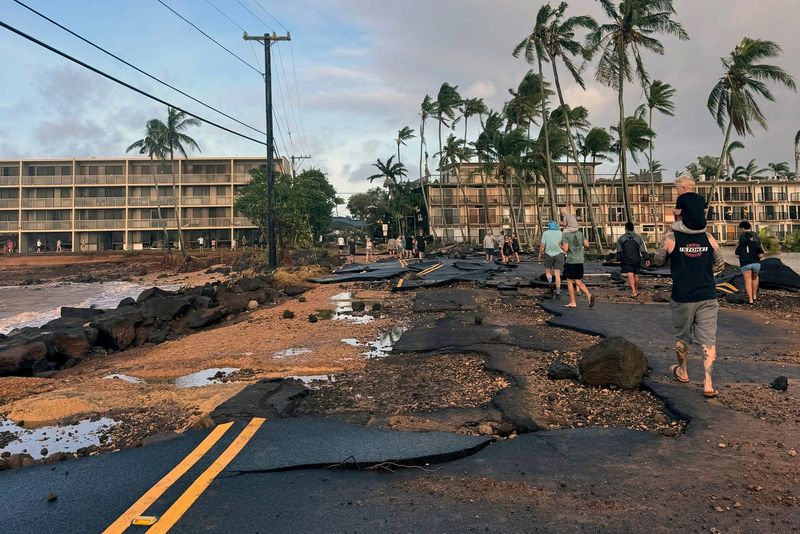
Kauaʻi is asking travellers to hold off for now. Not forever, just long enough for crews to restore electricity, clear debris from highways, and give residents first claim on groceries, fuel, and bottled water. Hurricane Lowell tore through the island in early September 2026, knocking out power for thousands, washing away road sections, and leaving two people dead across Hawaiʻi. State tourism authorities have urged visitors to skip Kauaʻi and choose a different Hawaiian island instead of scrapping their trip altogether.
The message is calibrated. Tourism accounts for roughly four in ten jobs on Kauaʻi, according to industry estimates, so a prolonged absence of visitors would hammer hotels, restaurants, activity operators, and their employees. But arrivals right now would strain what little capacity exists. The island's main airport saw long departure queues in the storm's immediate aftermath, and communities are still rationing essentials.
The Calculation for Operators
For larger properties, the disruption is mostly a scheduling problem. Koʻa Kea Resort in Poʻipū told affected guests they could claim refunds and predicted normal operations would resume within roughly two weeks. Sheraton Kauai Coconut Beach Resort closed temporarily while waiting for power to return but reported no structural harm.
Smaller businesses face a different equation. The Musubi Truck, a food vendor with a commercial kitchen and generators, cooked and distributed nearly 600 free meals in Wailua after the storm. Co-owner Kelly Kakalia prioritised feeding neighbours over earning income, then loaned generators to families still in the dark. The example illustrates how visitor-facing enterprises double as emergency infrastructure when disaster strikes.
Uneven Damage, Uneven Advice
Conditions vary sharply across the island. Some districts emerged with minimal damage, and at least one rental property owner in Poʻipū reported functioning water and beach access nearby. Yet the South Shore took severe hits around Baby Beach, and local residents warned that incoming tourists would compete for scarce supplies.
Travellers should be wary of both sweeping alarm and isolated reassurances. An island-wide pause may not apply to every property, but a single upbeat social media post does not mean roads are passable or that shops have reopened. What matters is the specific address, the route to it, and whether utilities are live.
What Travellers Should Do
Anyone holding a Kauaʻi booking should contact the accommodation directly to confirm power, water, road access, staffing levels, and the expected reopening date. Policies on rebooking and refunds differ, though several affected resorts have offered both.
State officials are encouraging visitors to reroute to another Hawaiian island rather than cancel altogether. That preserves the holiday while supporting the broader economy. Unless the trip involves family or organised relief work, postponing makes more sense while essential services remain stretched.
Transport also requires attention. Airport congestion, service changes, and longer journey times are likely where roads remain blocked or under repair.
The Timing Problem
Kauaʻi will need tourism to return if it wants a full recovery, but the timing has to match the pace of infrastructure repair and the capacity of local systems. Too much caution could prolong losses for businesses ready to welcome guests. Premature arrivals, on the other hand, could divert supplies and labour from harder-hit areas.
Clear, property-level communication will be crucial. Broad warnings risk penalising operators who are prepared to reopen, while vague optimism risks overwhelming places that are not.
For visitors, flexibility is the most practical form of help. Verify details, consider switching islands, or delay the trip rather than assuming the entire destination is either shut or fully functional. The island's economy depends on travellers, but so does its ability to look after its own people first.