The Bottleneck Isn't Appetite
Chinese travelers are ready to go abroad. The problem is finding a seat on a plane.
A survey of 310 Chinese travel agents conducted by Dragon Trail Research found that more than three-quarters reported rising demand for outbound trips in the first half of 2026 compared to the same period in 2025. Summer bookings showed similar strength, defying industry predictions that this would be a challenging year.
Yet the enthusiasm isn't translating into proportional growth. The constraint isn't hesitation or budget - it's availability. Airlines simply haven't restored enough routes or frequencies to meet the appetite, and the gap is showing up in booking data and agent frustration alike.
Japan's Paradox
The clearest illustration of the mismatch is Japan. In late 2025, a diplomatic dispute led to the cancellation of roughly half of all flights between China and Japan. Despite that, Japan ranked second among agents' "most noteworthy" destinations for 2026 and third for summer bookings.
Travelers are trying to go. The flights just aren't there.
The situation highlights a broader pattern: geopolitical friction and operational constraints are colliding with pent-up demand. Even destinations that remain popular - or become more so - can't capitalize fully if the airlift doesn't exist. For Japan, the result is a curious kind of success: high intent, limited access.
Who's Traveling, and How
The profile of Chinese outbound travelers is also shifting. Younger travelers, particularly those aged 18 to 35, are increasingly traveling independently rather than in groups. This cohort is more comfortable booking online, more flexible with itineraries, and less reliant on traditional package tours.
That shift has implications for how the market recovers. Independent travelers tend to book closer to departure and are more sensitive to flight availability and pricing. When capacity is tight, they're the first to feel it - and the first to adjust plans or postpone trips.
The trend also explains why some destinations are outperforming expectations. Cities with direct flights, visa-free entry, or strong digital marketing are capturing a disproportionate share of this segment. Destinations that rely on group tours or require complex logistics are lagging.
The Rebuild Is Slow
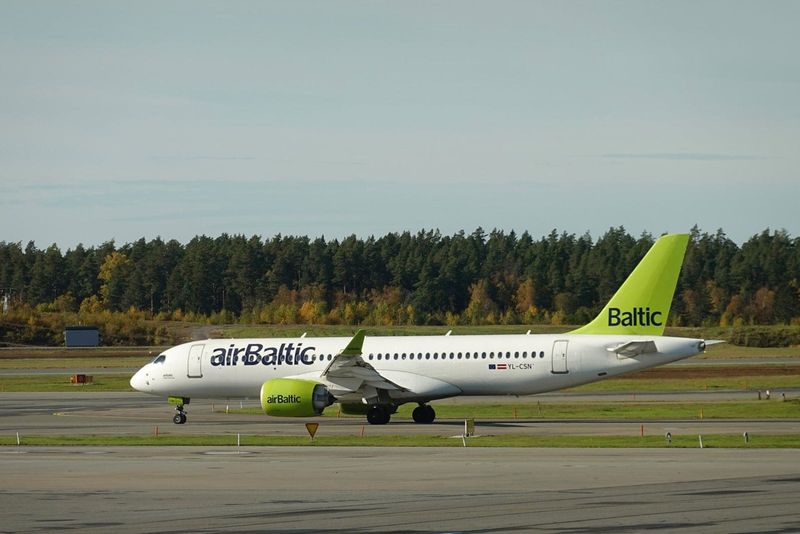
Restoring flight capacity to pre-pandemic levels was always going to take time. Airlines faced aircraft delivery delays, crew shortages, and fluctuating fuel costs. For routes to and from China, the challenges have been compounded by regulatory approvals and bilateral negotiations that move at their own pace.
Some carriers have prioritized short-haul routes within Asia, where turnaround is faster and demand more predictable. Long-haul routes to the United States and Europe remain below 2019 levels, and the timeline for full recovery is unclear. Even within Asia, frequencies are uneven - some cities have seen rapid restoration, while others remain underserved.
The imbalance is creating winners and losers. Destinations with strong airline partnerships or government support are recovering faster. Those without are waiting.
What Agents Are Seeing
Travel agents, who sit at the intersection of demand and supply, are reporting a familiar frustration: clients want to book, but options are limited. Popular departure dates sell out quickly. Prices are higher than they were pre-pandemic, and flexibility is scarce.
The survey data reflects this tension. While demand is up, agents aren't necessarily seeing revenue grow at the same rate. When supply is constrained, travelers either pay more - cutting into overall trip budgets - or delay plans altogether.
Some agents are adapting by steering clients toward less obvious destinations or alternative travel dates. Others are bundling trips to maximize available inventory. But the underlying issue remains: without more flights, the market can only grow so fast.
A Market Ready to Move
China's outbound travel market has shown resilience. Despite diplomatic tensions, economic uncertainty, and a slower-than-expected recovery in some sectors, the desire to travel abroad hasn't diminished. If anything, it's intensified.
The challenge now is logistical, not psychological. Airlines, regulators, and destination marketers all have a role to play in closing the gap. Until capacity catches up, the recovery will be uneven - strong in sentiment, constrained in scale.