Recovery Plan Approved
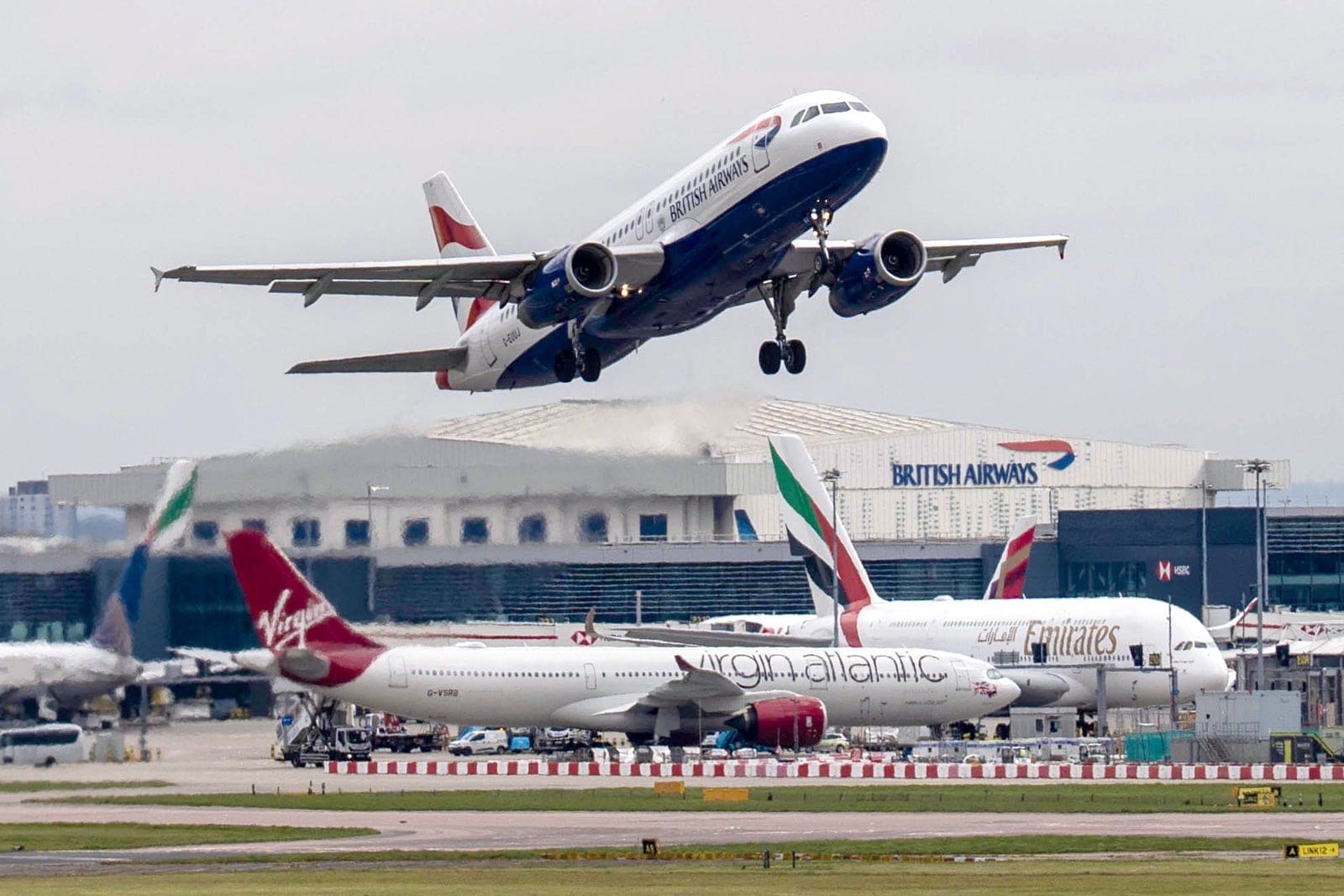
Britain's aviation regulator has cleared the way for Heathrow to recoup hundreds of millions spent on its third runway proposal, a decision that will translate into higher ticket prices for passengers over the next two decades.
The Civil Aviation Authority approved a plan allowing Heathrow Airport Limited to recover £320 million in development costs incurred since early last year. The airport will collect the sum through increased charges to airlines, which typically flow directly into the fares travelers pay. The recovery period is expected to stretch between 20 and 25 years.
In practical terms, the maximum airport charge per passenger will rise by roughly 15 pence in 2028, climbing to 30 pence in the years that follow, according to the regulator's projections.
A rival expansion proposal led by property developer Surinder Arora received permission to recover £4.1 million in costs incurred before the government selected Heathrow's plan as its preferred option in late November.
Airline Pushback
The decision arrives amid longstanding tension between Heathrow and the carriers that use it. Airlines have consistently pointed to the airport's fees as the highest among major global hubs, and the country's largest carrier, British Airways, previously warned that allowing early cost recovery risked pricing the expansion out of reach for ordinary travelers.
In documents submitted to the regulator, the airline argued the approach could undermine the economic case for the project altogether, raising questions about whether the benefits would justify the expense.
The approved costs cover planning and design work required to build a credible expansion case, including materials needed to support a future development consent order. That regulatory approval is required before major infrastructure projects can proceed in the UK.
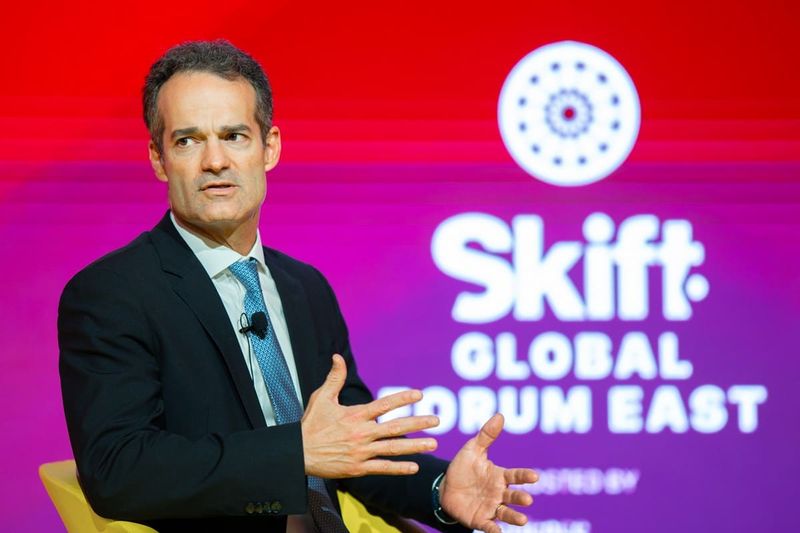
Tim Johnson, the regulator's director of consumers and markets, said the decision balances the need to move the expansion forward against protecting passengers from unnecessary cost increases. He emphasized that recoverable costs are capped, independently reviewed, and subject to efficiency audits to ensure travelers pay only for justified expenses.
A separate process will determine how costs incurred from 2027 onward are handled.
The Expansion Blueprint
Heathrow's plan carries an estimated price tag of £33 billion, including £1.5 billion to relocate a section of the M25 motorway. The airport expects to finance the entire project through private investment, without drawing on public funds.
If approved, the expansion would lift the airport's annual capacity to 756,000 flights and 150 million passengers, a substantial increase from current levels. Heathrow has framed the project as a way to offer travelers more route options while delivering economic benefits across the country, not just the capital.
The government opened a consultation last month on the national policy statement governing the expansion, outlining the conditions that would need to be met for final approval. Former chancellor Rachel Reeves said she wanted construction to begin during the current parliamentary term, with completion targeted for 2035. Prime Minister Andy Burnham, who replaced Reeves, has previously voiced reservations about the project, suggesting it concentrates infrastructure spending in London at the expense of other regions.
What Passengers Can Expect
For travelers, the surcharge will add a modest but permanent line item to the cost of flying through Heathrow. While 15 to 30 pence per trip may seem small in isolation, it accumulates over time and applies to every passenger passing through the airport during the recovery period.
The structure also raises broader questions about how infrastructure costs are distributed. Airports often argue that expansion benefits the economy as a whole, yet the financial burden falls squarely on the people who use the facilities. Whether that trade-off is fair depends partly on whether the promised capacity increases and route additions materialize as planned.
For now, the regulatory framework is in place, and Heathrow has signaled it will move forward carefully, weighing investment decisions against the support provided by regulators. The airport's spokesperson said the project requires a supportive regulatory environment to unlock the private capital needed to deliver the expansion's benefits.
Whether passengers see those benefits as worth the extra cost will depend on how the project unfolds over the coming decade.