A Ground-Up Refresh
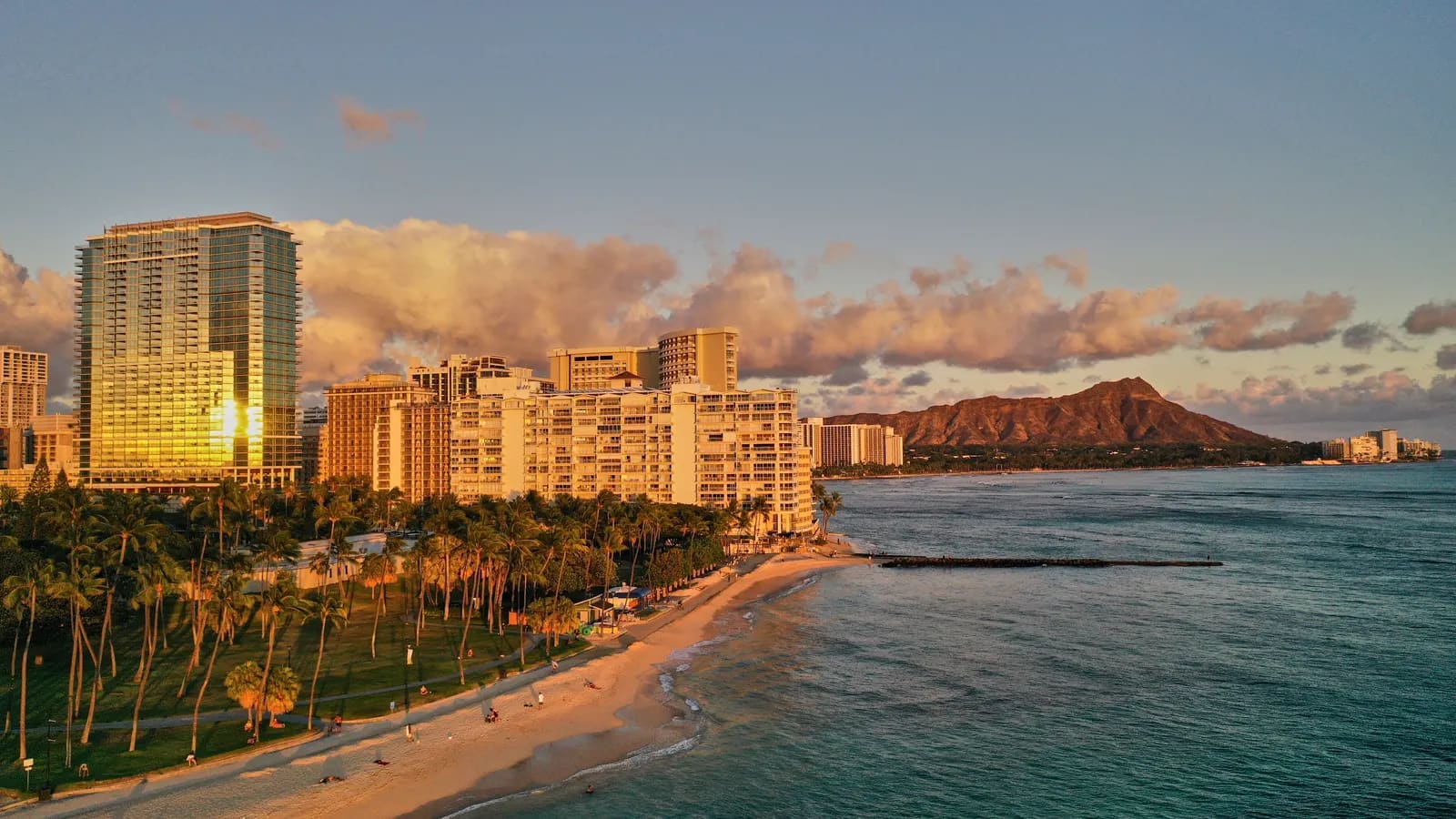
Hilton has wrapped a $100 million renovation of the Ka La'i Waikiki Beach, LXR Hotels & Resorts in Honolulu, touching nearly every corner of the 238-room property on Oahu. According to Hilton, the project overhauled guest rooms, public areas, amenity floors, outdoor spaces, and the spa, all while keeping the hotel's original footprint intact.
The work reflects a broader push by luxury operators to move past generic polish and root their properties in the places they occupy. Here, that meant sourcing materials like teak and lava stone, commissioning artwork that reflects Hawaiian landscapes, and designing treatments at the refreshed Spa Ka La'i around local wellness traditions.
New York-based Bryan O'Sullivan Studio led the interior redesign, with architecture handled by Guerin Glass Architects. The result is a property that blends residential-style living with cultural cues, from the warm wood tones in the studios and suites to the private lanais that frame views of the Pacific or Fort DeRussy Beach Park.
What Changed on the Ground
All 238 residential-style studios and suites were redone. Each now includes fully equipped kitchens, spa-inspired bathrooms, and those lanais. The idea, according to Hilton, was to offer longer-stay guests the infrastructure to settle in, not just pass through.
The culinary program also got attention. The Kini Room serves modern Hawaiian cuisine, Muse Lounge anchors the lobby as a cocktail bar, and Bloom Cafe & Restaurant handles breakfast with a garden-inspired setting. The spa, now called Spa Ka La'i, added treatments tied to Hawaiian wellness practices and expanded its outdoor footprint.
Irongate Group, the real estate firm behind the property, framed the renovation as a response to traveler expectations. Chairman and CEO Jason Grosfeld noted that today's guests want service that feels authentic and experiences rooted in the character of a destination, not just sophistication for its own sake.
Context in a Recovering Market
The reopening lands as Hawaii's hospitality sector continues to recover from twin disruptions: the 2023 Maui wildfires and the COVID-era collapse in tourism. Visitor numbers have climbed back, but the competitive landscape has shifted. Properties that lean heavily on generic luxury without local texture risk blending into the background.
Hilton's timing also aligns with its broader luxury expansion. The company plans to open the 210-room Hale Hokūala Kaua'i this fall, marking the lifestyle brand's debut on that island. Earlier this year, Hilton opened the 138-key Cameo Beverly Hills, LXR Hotels & Resorts in Los Angeles after a full renovation. And earlier this month, Reuben Brothers announced that the W South Beach in Miami Beach will rebrand as a Waldorf Astoria in early 2027.
LXR Hotels & Resorts, Hilton's collection of independent luxury properties, now counts 17 hotels across nine countries, with 23 more in development. The brand's model is to preserve the individual character of each property rather than impose a uniform aesthetic, a strategy that fits neatly with the cultural-immersion trend now shaping high-end travel.
The Broader Shift
The Ka La'i project is part of a wider industry pattern. Luxury travelers increasingly expect properties to reflect the regions they occupy, not just offer high thread counts and marble bathrooms. That means sourcing local materials, hiring local designers, and building programming around regional traditions, whether that's food, wellness, or art.
For Hawaii in particular, the stakes are higher. The state has long wrestled with the tension between tourism revenue and cultural preservation. Properties that treat Hawaiian culture as decoration risk backlash. Those that engage meaningfully, hiring local artisans and centering Indigenous practices, stand a better chance of earning both guest loyalty and community acceptance.
Whether the Ka La'i renovation achieves that balance will depend on execution, not just intent. But the investment signals that Hilton sees culturally grounded luxury as a competitive advantage, not a marketing angle.
Hilton also has other Waldorf Astoria projects underway, including a property at Utah's Deer Valley Resort slated for 2028 and another in Fredericksburg, Texas, set to open in 2027. The company's luxury push spans brands and geographies, but the through line is clear: travelers with money to spend want stories, not just services.