A Deliberate Turn from Icons
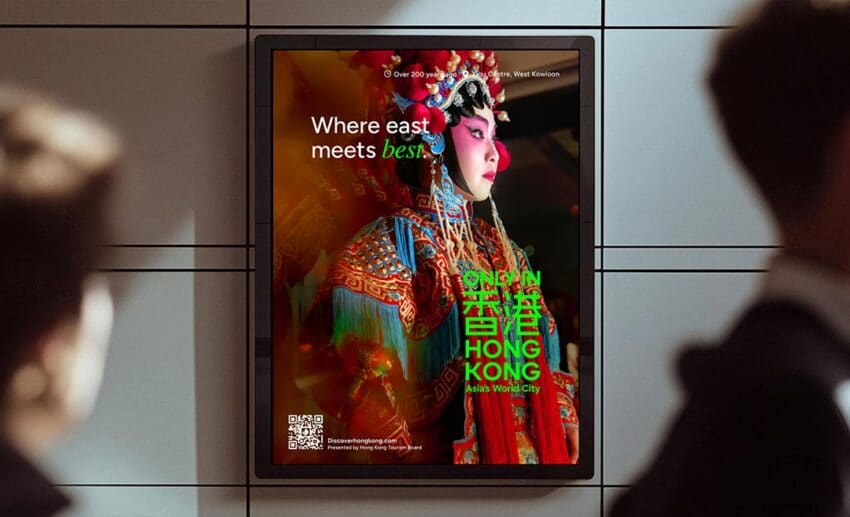
Hong Kong has spent decades selling its harbour and skyline. Now the Hong Kong Tourism Board is asking visitors to look past the postcard. Its new global push, Only in Hong Kong, centres not on landmarks but on the textures of everyday life: neighbourhood lanes, morning markets, ferry commutes, and the rituals that shape how people actually move through the city.
The shift is intentional. Instead of polished tourism imagery, the campaign foregrounds street-level moments and local rhythms. It is an attempt to reposition Hong Kong not as a collection of attractions but as a place defined by contrast and variety, where a single day can take you from a forested trail to a mahjong parlour, from a hidden beach to a night market stall.
What the Campaign Highlights
According to the Hong Kong Tourism Board, the campaign is built around four qualities: variety, vibrancy, contrast, and what it calls world-class experiences. In practice, that translates to a mix of activities that span the city's geographic and cultural range. Star Ferry rides, hiking trails, local dining, traditional games, and quieter coastal stretches all feature in the messaging.
The goal is to show that Hong Kong offers more than verticality and neon. It has pockets of nature within city limits, working neighbourhoods with their own identities, and cultural practices that remain visible in daily life. The campaign does not ignore the skyline, but it does not lead with it either.
Rolling Out Across 22 Markets
Only in Hong Kong is being deployed across 22 source markets, using a mix of digital platforms, social media, television, outdoor advertising, and localised media channels. The Hong Kong Tourism Board has indicated that additional content will be released as the campaign expands, though specifics on timing and format have not been detailed.
The campaign reflects a broader trend among destination marketing organisations: a move away from monument-focused promotion toward lifestyle and immersion. For Hong Kong, it is also a response to competition. Other cities in the region have leaned into neighbourhood storytelling and cultural specificity. This campaign positions Hong Kong as a place where those qualities coexist with scale and infrastructure.
Why It Matters Now
Hong Kong's tourism sector has been working to rebuild visitor numbers and reshape perceptions. A campaign that emphasises everyday life and local culture signals a recognition that travellers, particularly those who have been to the city before, are looking for depth rather than a greatest-hits tour.
The focus on contrast is strategic. Hong Kong is dense and modern, but it also has hiking trails, fishing villages, and temples tucked into urban folds. The challenge for any campaign is whether it can translate that range into a coherent narrative without flattening the specifics. Early rollout suggests the board is betting on authenticity over gloss, though the test will be whether the content feels true to people who know the city well.
What Comes Next
The campaign is still in its early phase. More content is expected as it scales across markets, and the Hong Kong Tourism Board has not yet outlined how it will measure success beyond reach and engagement. The real question is whether this shift in messaging translates to shifts in visitor behaviour, whether people spend more time in neighbourhoods that do not appear in guidebooks, or whether they still gravitate toward the harbour and the peak.
For now, the campaign is an invitation to see Hong Kong differently. Whether visitors take it up depends on how compelling the everyday moments turn out to be, and how well the city can deliver on the promise of contrast without losing coherence.