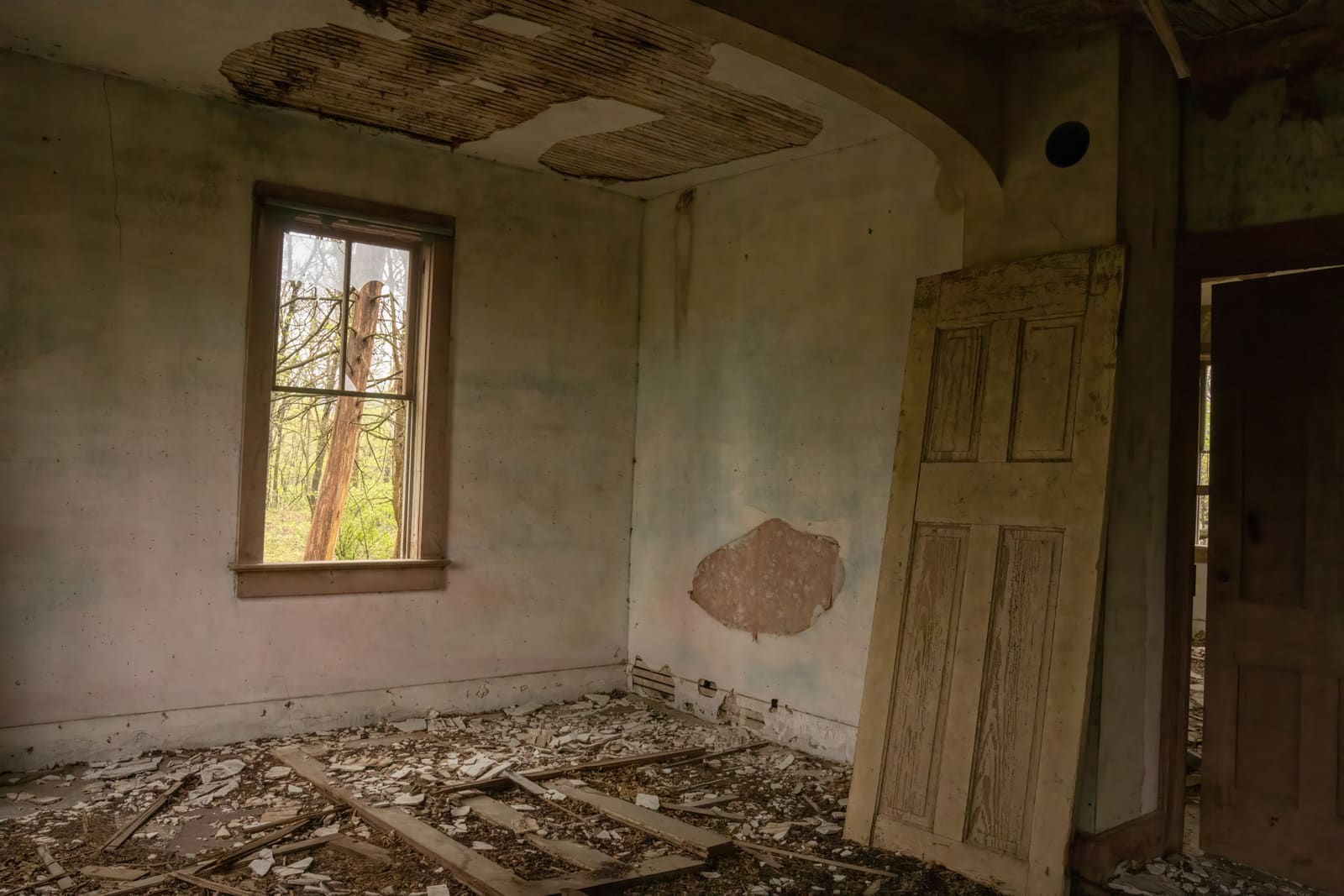
The Overlap Between History and Mystery
Some hotels attract attention not just for their architecture or location, but for the stories that accumulate around them. Whether you believe in paranormal activity or chalk it up to old building acoustics and overactive imaginations, these properties have built reputations on unexplained experiences reported by guests over decades.
The pattern is fairly consistent: older buildings with long histories tend to collect more tales. A 13th-century Scottish fortress will naturally have more folklore attached than a chain hotel built last year. But there are exceptions, and the reasons guests report unusual experiences vary widely by location and circumstance.
Medieval Castles With Persistent Tales
Dalhousie Castle outside Edinburgh dates to the 1200s and served as the ancestral home of the Ramsay family. Its 29 rooms spread across multiple levels connected by narrow passageways. The most repeated story involves Lady Catherine, reportedly confined and left to starve after an affair with the laird was discovered. Guests have claimed to hear the sound of fabric moving through corridors late at night, though no source is visible.
Ruthin Castle in North Wales, built in 1277, once housed Tudor monarchs including Henry VII and Elizabeth I before Charles I sold it in 1632. The property is now a hotel and spa. Visitors have reported sightings of a figure known as Lady Grey, as well as what appears to be a child and a uniformed figure, though accounts vary in detail.
In Pembrokeshire, Wales, Roch Castle was constructed in the late 12th century. Lucy Walter, who became a mistress of King Charles II in 1648, lived there during her youth before dying in Paris in 1658. Some guests claim to have seen a woman in white passing through closed doors, an account attributed to Walter's connection to the building.
Fortresses and Former Prisons
Parador de Jaén in southern Spain occupies an 18th-century Arab fortress overlooking Andalusia. According to the hotel, a guest in room 22 reported hearing crying and knocking in the middle of the night. Paranormal investigators examined the room in the 1980s and concluded that it might be connected to a young woman who died in the fortress centuries earlier. The room has been quieter since, though the property also carries stories of a prisoner known as "Terrible Lizard," who died of starvation while detained there.
Château de Marcay in France's Loire Valley is a 15th-century castle that opened as a hotel in 1973. Local legend tells of a noblewoman who transformed into a werewolf and was accidentally shot by a farmer. Staff and guests have since reported encounters with a woman dressed in white, though the accounts remain anecdotal.
A Retired Ocean Liner With a Long Passenger List
The Queen Mary, docked permanently in Long Beach, California, began service as a Cunard cruise ship in 1934 and reopened as a hotel in 1972. During its decades at sea and in port, 49 deaths have occurred aboard the vessel. Stateroom B340 draws particular attention: a British passenger died there in 1948 under unclear circumstances. Guests who have stayed in the room report flickering bathroom lights, knocking sounds, and bedding being pulled away during the night.
The ship now offers ghost tours that recount the histories of former passengers and crew, leaning into its reputation rather than downplaying it. Whether the experiences stem from the ship's age, its maritime history, or something else, the stories have become part of its identity.
Modern Buildings With Unexpected Reputations
Not all reports come from centuries-old structures. The Grand Hyatt Taipei, a contemporary property, was officially built on the site of a former military warehouse. Unofficial accounts claim the location once served as a political prison where detainees died. Guests have reported seeing apparitions and hearing noises in unoccupied rooms. The hotel displays Chinese sutras and sacred scrolls in the lobby, which some believe offer protection, though experiences still occur.
Palace Hotels and Architectural Tragedy
The Taj Mahal Palace in Mumbai is a five-star property with a story tied to its construction. According to legend, the architect responsible for the building discovered it was facing the wrong direction and jumped from the fifth floor. His spirit is said to roam the halls and rooftop, though encounters are described as harmless. The hotel consistently ranks among India's top properties, and the story has become part of its lore.
Hotel Burchianti in Florence was a gathering place for poets, opera singers, and politicians in the early 20th century. Guests have reported seeing a child moving down hallways, a woman knitting in a chair, and feeling sudden cold sensations in the frescoed rooms. The hotel maintains its reputation as a luxury property while acknowledging the accounts that have accumulated over the years.
War History and Remote Locations
The Lord Milner Hotel in Matjiesfontein, South Africa, sits on the edge of the Great Karoo. The village served as command headquarters during the South African War and hosted controversial war crimes hearings. The hotel acknowledges that some guests seem to have never left, including "Lucy," described as a figure in nightwear who makes sounds behind closed doors.
A House Turned Museum and Lodging
The Lizzie Borden House in Fall River, Massachusetts, is where Andrew and Abby Borden were killed with a hatchet in 1892. Lizzie Borden, Andrew's daughter, was tried and acquitted, but suspicion followed her for the rest of her life. The house now operates as a museum and bed-and-breakfast, with rooms available in the actual spaces where the bodies were found. Interest in the property has remained steady, and recent media adaptations have brought renewed attention.
What Draws People to These Properties
The appeal of staying in a reportedly haunted hotel varies. Some guests are drawn by curiosity, others by the history itself. A building that has stood for 700 years has witnessed births, deaths, celebrations, and tragedies. The stories that emerge reflect the layers of human experience that have unfolded within those walls.
For hotel operators, the challenge is balancing respect for history with the realities of running a business. Some properties embrace the tales as part of their brand, offering tours and themed experiences. Others acknowledge the stories but focus on service and amenities. Either way, the accounts persist, passed from guest to guest, adding another layer to the travel experience.
Whether the experiences are genuine, the result of suggestion, or simply the product of old buildings settling in the night, these hotels have carved out a niche. They offer something beyond a place to sleep: a connection to the past, even if that connection comes with the occasional unexplained sound or fleeting shadow.