The Surface Changes Were Never the Story
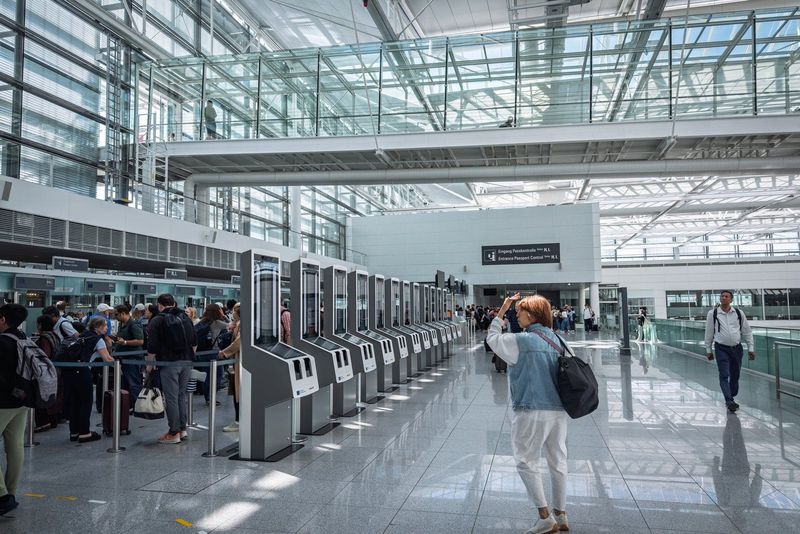
Twenty-five years after September 11, 2001, the most visible changes to air travel are also the most predictable. Shoes come off, liquids stay small, cockpit doors stay locked. An entire generation has grown up knowing no other way to fly. Some of those rituals are beginning to fade - PreCheck lanes bypass the shoe theatre, automated gates replace passport stamps - but the architecture beneath them has only deepened.
What shifted more fundamentally was not security procedure but the logic of access. Over the past quarter-century, the travel industry became exceptionally good at making trips easy to search, book, and navigate. At the same time, governments became far more sophisticated at deciding who gets to take those trips at all.
The result is a two-tier system. For some travellers, the journey is more seamless than anything imaginable in 2001. For others, friction now begins long before they reach the airport - at the visa application stage, the biometric enrolment queue, or the algorithm that flags their profile for extra scrutiny.
Seamless for Some, Opaque for Others
The technology that powers modern travel is designed around speed and convenience. Biometric gates, mobile boarding passes, digital identity wallets, and AI-assisted border checks all promise to remove friction. And they do - but only for people the system has already decided to trust.
Pre-authorisation programmes like Global Entry, Trusted Traveller, and their equivalents around the world offer near-instant passage through immigration. Airlines invest heavily in apps that let frequent flyers skip queues, rebook on the fly, and receive real-time updates. The experience can feel effortless.
But that ease depends on having the right passport, the right travel history, and the right risk profile. For travellers without those credentials, the same systems that speed some people through can become sources of delay and opacity. Visa policies have grown more restrictive and more individualised. Biometric data collection is now standard, but the criteria for who gets flagged - and why - are rarely transparent.
The gap is widening. As border and visa policies become more granular, the industry faces a question it has not fully answered: how to balance investment in seamless travel for pre-approved customers against the reality that a growing share of travellers face barriers before they ever book a ticket.
The Commercial and Reputational Stakes
Airlines and airports have a commercial incentive to move people quickly. Longer queues mean missed connections, lower satisfaction scores, and higher operational costs. But they also depend on government cooperation to operate at all, which means navigating a policy environment that is increasingly focused on risk segmentation rather than universal flow.
The reputational stakes are less obvious but potentially larger. As travel becomes easier for some and harder for others, the perception of who the industry serves - and who it leaves behind - matters. A system that works beautifully for business travellers from wealthy countries but imposes weeks of uncertainty on others is not politically neutral, even if it is operationally efficient.
There is also the question of whether technology can bridge the gap or whether it mainly entrenches existing advantages. AI-driven border tools and digital identity platforms are often marketed as solutions to reduce waiting times and improve accuracy. In practice, they tend to benefit travellers who already hold low-risk status. For everyone else, automation can mean faster rejection, less recourse, and fewer opportunities to appeal decisions made by an algorithm.
What Changed for Whom
The divide is not just about passports. It is about how identity itself has become the filter through which access is granted or denied. In 2001, security was largely a physical question: what you carried, where you sat, how you moved through the terminal. Today, it is a data question: who you are, where you have been, and what the system predicts you might do.
That shift has made travel safer in some measurable ways. It has also made it more stratified. The friction that was once universal - long lines, manual checks, paper forms - has been replaced by targeted scrutiny. The system has become better at identifying risk, but it has also become better at deciding who deserves convenience and who does not.
For travellers who benefit from that segmentation, the improvements are real. Faster boarding, shorter waits, fewer interruptions. For those on the other side, the experience can feel arbitrary and opaque. The criteria are unclear, the appeals process limited, and the consequences significant.
The Harder Questions Ahead
The travel industry has spent the past 25 years optimising for throughput and risk management. It has largely succeeded on both fronts. But the model that emerged - one that rewards pre-authorised travellers with speed and subjects everyone else to layers of vetting - raises questions the industry has been reluctant to address.
Can AI and digital identity tools be used to reduce barriers for lower-status travellers, or will they remain tools for accelerating those already deemed low-risk? What happens when the gap between seamless and scrutinised becomes so wide that it undermines public trust in the system? And who decides where the line is drawn?
Twenty-five years after 9/11, the most obvious changes to travel are fading into routine. The deeper ones are still unfolding. The system has become remarkably good at moving people it is prepared to move. The harder question is what happens to everyone else.