A Short-Lived Wide-Body Gambit
IndiGo announced on July 31 that it will stop flying its six leased Boeing 787-9 aircraft from October 25, 2026, ending a temporary arrangement with Norse Atlantic Airways that began in early 2025. The Indian carrier had brought in the Dreamliners under a damp-lease agreement to test long-haul operations, train crew, and build brand recognition on Europe routes before its own Airbus A350-900s showed up.
The leased jets served London Heathrow, Amsterdam, Manchester, and a handful of other European cities. But the operating picture changed faster than the airline expected. Airspace restrictions tied to tensions in the Middle East forced planes onto longer routings, fuel prices climbed, and currency swings squeezed margins. Route efficiency, schedule reliability, and overall competitiveness all took a hit, according to IndiGo.
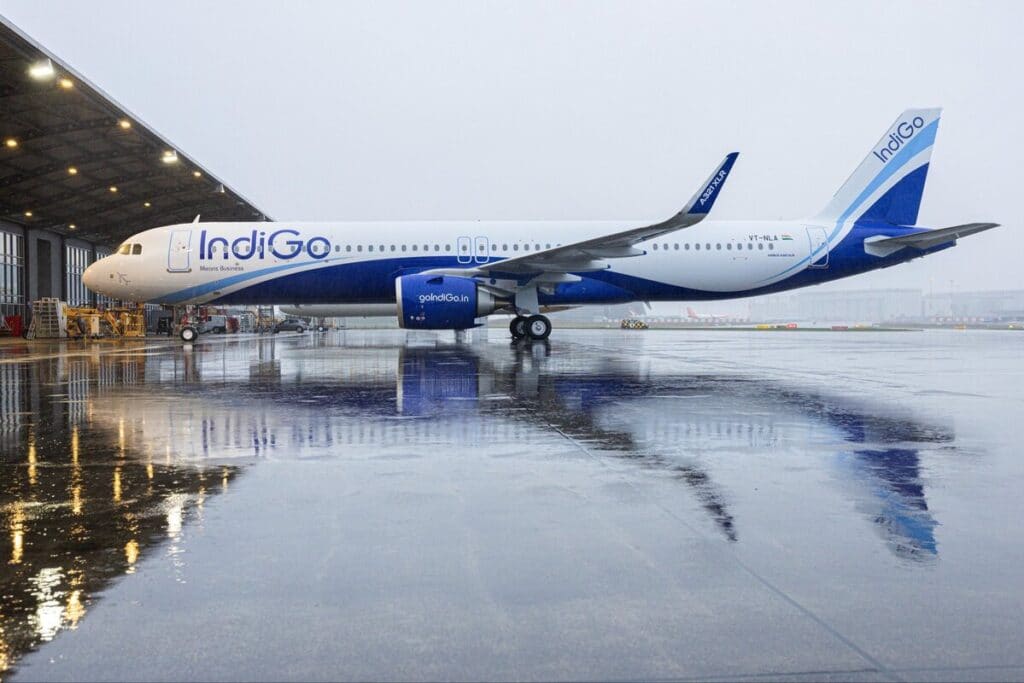
From October 25, the Mumbai to Amsterdam service will shift to IndiGo's Airbus A321XLR narrowbodies. Flights to London Heathrow will stop temporarily until the A350s enter the fleet. The airline says its broader international expansion remains on track, with the A321XLR continuing to carry the load and 60 A350s on order for eventual deployment.
Why the Lease Made Sense, Then Didn't
IndiGo built its business on a disciplined narrowbody model, operating one of the world's largest fleets of A320-family aircraft. The Norse Atlantic lease was meant to bridge the gap between ambition and aircraft availability, giving the airline a head start on crew training, network planning, and brand presence in markets it intended to serve long-term.
But the economics shifted. Longer flight paths eat into fuel budgets and crew duty limits. Higher fuel prices compress already thin margins on competitive Europe routes. Currency volatility adds another layer of unpredictability. For an airline that prides itself on cost control, the leased wide-body operation began to look less like a learning opportunity and more like a drag on profitability.
IndiGo has committed to helping affected passengers through rebooking or refunds. The airline insists the pause is tactical, not strategic. The A350s, originally expected from 2027, remain central to its long-haul vision.
Norse Atlantic Moves On
For Norse Atlantic, the end of the IndiGo contract marks a significant shift. The six 787s represented roughly half the Norwegian carrier's fleet. One aircraft was already scheduled to return at the end of August after IndiGo closed its Manchester route. Now the remaining five will follow by November 1.
Norse CEO Eivind Roald described the 18-month partnership as useful but acknowledged that elevated fuel costs, airspace disruptions, and extended flight times from Middle East conflict zones made the arrangement unworkable for both sides. He said the two carriers mutually agreed that redeploying the aircraft elsewhere would be more commercially sensible.
Norse is now in talks with several airlines about new lease placements for up to five jets. The carrier also plans to use part of the returning fleet on its own winter routes, including services from Europe to Orlando and New York, where demand and yields are stronger.
The returned capacity comes at a pivotal moment for Norse. The airline's board launched a formal strategic review following interest from potential partners. The process could lead to a sale, merger, or some form of strategic tie-up aimed at boosting shareholder value over the long term.
What It Says About the Market
The IndiGo-Norse episode offers a snapshot of the pressures facing airlines trying to build or sustain long-haul networks in a volatile environment. Geopolitical disruptions, especially those that close or restrict airspace, have ripple effects far beyond the conflict zones themselves. Routes that once penciled out can quickly turn uneconomical when flight times stretch and fuel burn rises.
For IndiGo, the decision to pull back reflects a pragmatic streak that has served the airline well in a fiercely competitive Indian market. The carrier grew by sticking to what it knew, keeping costs low, and expanding methodically. The leased 787s were always meant as a stopgap, but the experiment revealed how quickly external shocks can undermine even carefully planned expansion.
The A321XLR, with its extended range and narrowbody economics, offers a middle ground. It can reach many European cities from India without the cost structure of a wide-body, making it a more resilient choice in the current climate. The A350s, when they arrive, will give IndiGo the scale and flexibility it needs for deeper long-haul penetration, assuming the operating environment stabilizes.
For Norse Atlantic, the end of a major contract that once anchored half its fleet creates both challenge and opportunity. The carrier has shown it can move quickly to redeploy capacity, but the strategic review signals that management and investors are weighing whether independent operation remains the best path forward in a consolidating industry.
Looking Ahead
IndiGo's pause on leased wide-body flying is a short-term retreat, not an abandonment of long-haul ambitions. The airline has made clear it still sees international growth as central to its future, and the A350 order remains in place. The Mumbai to Amsterdam route's shift to the A321XLR shows the carrier is committed to maintaining European connectivity, even if it has to adjust the equipment.
The temporary suspension of London Heathrow service is a more visible setback, but it's also a recognition that flying a leased wide-body on a high-cost route in a difficult operating environment doesn't make sense if the margins aren't there. Better to wait for aircraft that fit the airline's cost structure and long-term network plan.
For travelers, the immediate impact is limited. One route gets a smaller plane, another goes on hold. But the broader message is about adaptability. Airlines that can shift capacity, adjust networks, and weather external shocks without overextending themselves are the ones that tend to survive and grow. IndiGo has built its reputation on that kind of discipline. The 787 experiment tested it, and the airline chose to pull back rather than push through at any cost.
As both IndiGo and Norse Atlantic navigate their next chapters, the episode underscores a hard truth: in an industry where fuel, currency, and geopolitics can shift the economics of a route overnight, flexibility and cost discipline aren't optional. They're the price of staying in the game.