A 25-Hour Eruption Paralyses Air Travel
Anak Krakatau, the volcano rising from the Sunda Strait between Java and Sumatra, began erupting late on 4 September and continued for roughly 25 hours. The ash plume spread across parts of Java and Sumatra, blanketing areas around Jakarta and forcing eight airports to suspend operations at various points over the weekend.
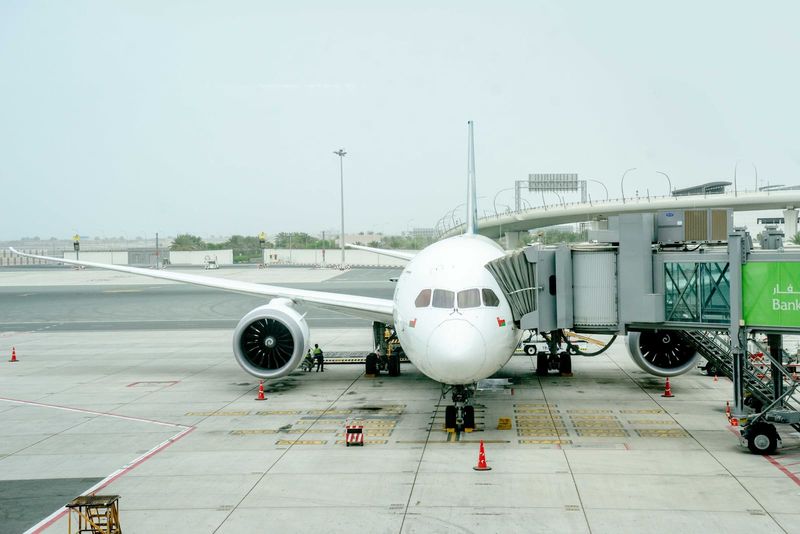
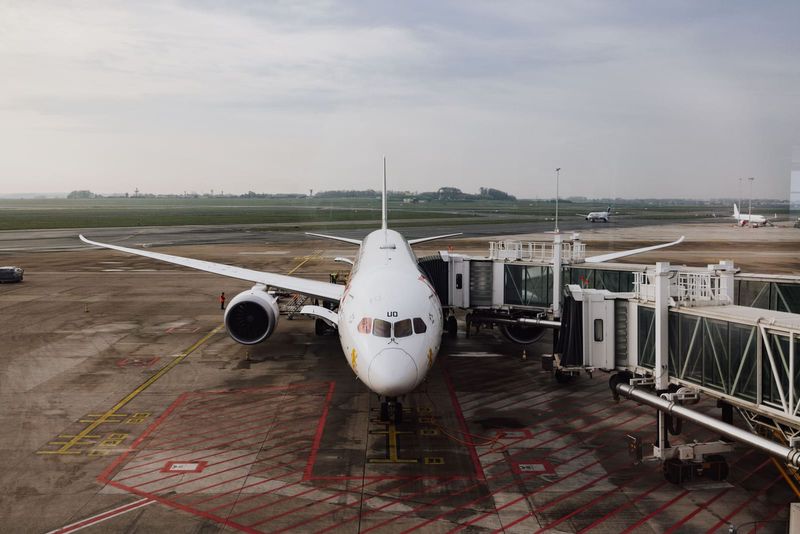
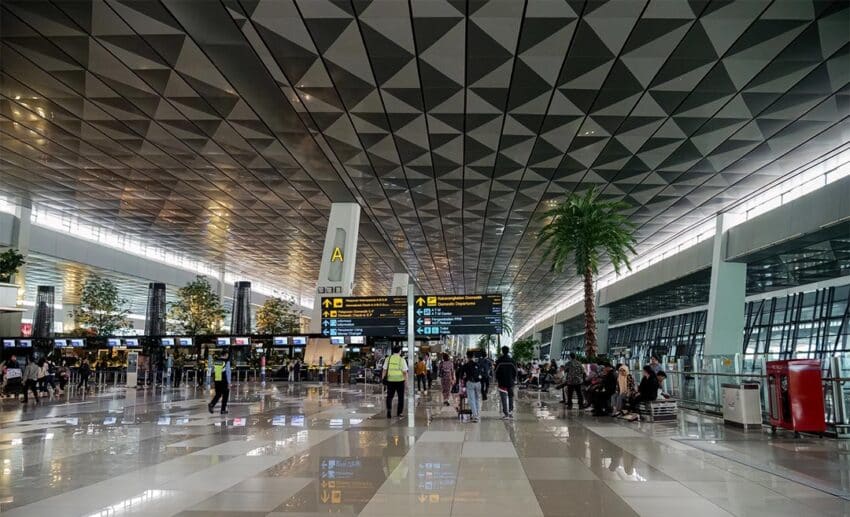
By 7 September, 2,961 domestic and international flights had been cancelled, delayed, or diverted. Around 341,000 passengers were affected, including travellers on routes between Kuala Lumpur and Jakarta. Soekarno-Hatta International Airport, one of Southeast Asia's busiest hubs, was among those temporarily closed.
Volcanic ash poses a specific threat to aviation. The fine particles can damage jet engines, clog fuel systems, and scratch windscreens. Even a relatively thin ash cloud can ground an entire fleet until conditions clear.
Airports Reopen, but Recovery Takes Time
All eight airports affected by the ash had reopened by 8 September. Indonesia's meteorological agency confirmed that runway and airspace checks showed no remaining volcanic ash contamination at levels that would compromise flight safety.
Yet reopening an airport does not immediately restore normal schedules. Indonesian authorities reported that 178 aircraft grounded during the closures required airworthiness inspections before they could fly again. Airlines also needed to reposition planes and crew members who had been stranded or rerouted during the disruption.
AirAsia and Malaysia Airlines, both operating frequent services between Kuala Lumpur and Jakarta, began restoring flights gradually. Both carriers advised passengers to check individual flight status before heading to the airport, noting that schedule adjustments were ongoing.
What Travellers Should Do
If you are flying to or through Jakarta in the coming days, check your flight status directly with your airline before leaving home. An airport reopening does not guarantee that your specific departure is operating as scheduled.
Allow extra time at the airport and keep airline notifications enabled. Aircraft swaps, crew changes, and route adjustments are common in the days following a major disruption, and your departure time may shift with little notice.
If your flight was cancelled or significantly delayed, review the rebooking, refund, or travel credit options your airline is offering before purchasing an alternative ticket on your own. Many carriers waive change fees or offer flexible rebooking during irregular operations, but those policies are not always automatic.
The Volcano Remains Active
The prolonged eruption that caused the major flight disruptions ended early on 6 September, but Anak Krakatau has not gone quiet. Smaller Strombolian eruptions, characterised by bursts of incandescent rock and lava, have continued since.
As of 7 September, Indonesia's Centre for Volcanology and Geological Hazard Mitigation kept the volcano at Level III (Siaga), the second-highest alert level in the country's four-tier system. The agency said the probability of further eruptions remained high and warned of hazards including lava flows, rock fragments, and heavy ashfall.
This does not mean trips to Indonesia need to be cancelled outright. Most of the country, including popular destinations such as Bali, Yogyakarta, and Lombok, saw no direct impact from the ash. But travellers passing through Jakarta or other airports in western Java and southern Sumatra should stay alert to updates.
Could It Happen Again?
Volcanic eruptions are inherently unpredictable. The intensity of an eruption and the direction of prevailing winds determine where ash spreads and how long it lingers in the atmosphere. During the recent disruption, Indonesia's meteorological agency detected volcanic ash at altitudes up to 50,000 feet, well into the cruising range of commercial jets.
Anak Krakatau has a history of sudden, explosive activity. The volcano formed in the caldera left by the catastrophic 1883 eruption of Krakatau, which killed tens of thousands and altered global weather patterns. In late 2018, a flank collapse at Anak Krakatau triggered a tsunami that struck coastal areas of Java and Sumatra, killing more than 400 people. The volcano's structure changed dramatically after that event, but its geological activity has remained persistent.
For now, the most practical step for travellers is to monitor both official volcano alerts and airline communications. Indonesian authorities continue tracking Anak Krakatau's behaviour, and any renewed impact on aviation will depend on how the volcano behaves in the days ahead and where the wind carries the ash.