A Sharp Climb in Docking Costs
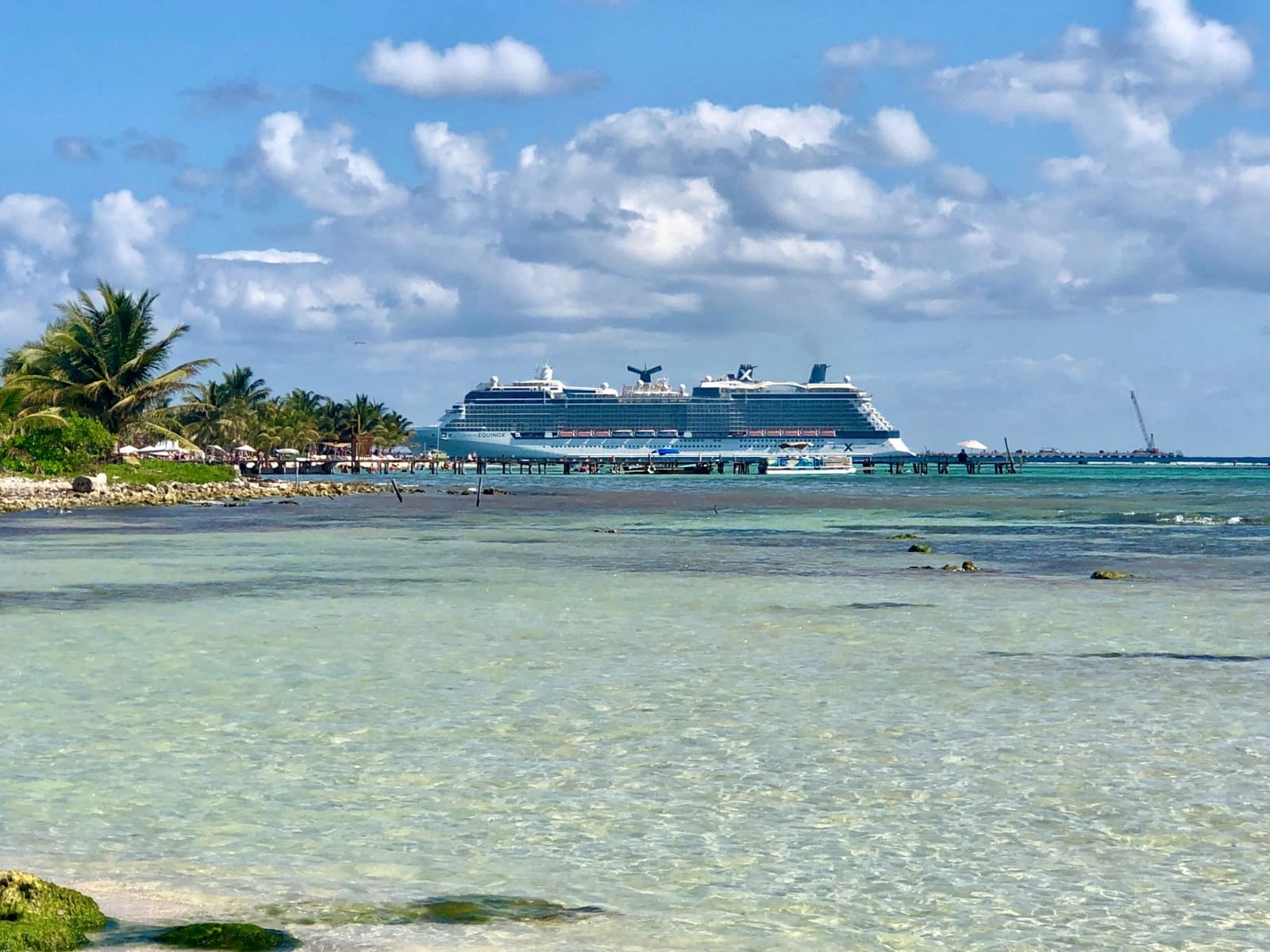
Mexico doubled its cruise passenger docking charge on 1 August 2026, moving from five dollars per person to ten. But that jump marks only the beginning of a three-stage increase: the fee will rise to fifteen dollars in 2027 and reach twenty-one dollars in 2028. Over those two years, the levy officially termed the Non-Resident Duty will have climbed more than fourfold.
The increases apply to each cruise voyage rather than each port stop, meaning passengers calling at multiple Mexican destinations on a single itinerary pay the fee only once. Book two separate cruises during the same holiday, however, and the charge applies to both.
The move reflects Mexico's determination to capture more revenue from cruise tourism, a segment that has grown sharply in recent years. According to the country's Secretary of Tourism, Josefina Rodríguez Zamora, cruise passenger arrivals climbed twelve percent year-on-year in 2025, reaching 11.2 million visitors across Mexican ports. In public remarks earlier this year, Rodríguez Zamora described cruise tourism as a tool for regional development and a way to spread economic benefits to communities that rely on visitor spending.
Industry Pushback and Compromise
The higher fees have not arrived without friction. The Florida-Caribbean Cruise Association, whose members include Carnival, P&O, and Royal Caribbean and account for more than ninety-five percent of cruise capacity in the Caribbean and Latin America, objected to earlier proposals that would have set the 2028 fee at forty-two dollars. The association argued in 2024 that such a steep increase would erode Mexico's competitiveness against other Caribbean and Central American ports, many of which levy lower or no equivalent charges.
Negotiations between the FCCA and Mexican officials produced the current compromise. The association has since issued a statement thanking the federal government for working toward an agreement, signaling that the revised schedule is acceptable to the industry even if not ideal.
Context Beyond the Docking Fee
The docking charge is one piece of a broader shift in how Mexico prices access to its tourism infrastructure. Changes to immigration fee structures and the introduction of regional environmental taxes in certain states add further layers of cost for visitors arriving by sea and by air. For cruise passengers, the cumulative effect means budgeting not only for the voyage and shore excursions but also for a growing list of government levies.
Industry observers note that the twenty-one-dollar fee, while noticeable, is unlikely to deter most travelers. Cruise fares themselves have trended upward across the board in recent years, driven by fuel costs, labor shortages, and heightened demand. An extra twenty dollars per person represents a modest fraction of the total cost of a week-long cruise, though it adds up quickly for families and groups.
What It Means for Passengers and Ports
Mexico's decision to raise docking fees reflects confidence that its ports can sustain higher charges without losing traffic. Cozumel, Ensenada, Puerto Vallarta, and Cabo San Lucas remain anchor stops on Western Caribbean and Pacific Coast itineraries, offering a combination of beaches, archaeological sites, and well-developed shore infrastructure that few alternative ports can match.
For passengers, the practical impact will depend on how cruise lines choose to pass along the cost. Some operators may absorb part of the increase to keep headline fares competitive; others will itemize the fee as a port charge or government tax on the final invoice. Either way, travelers booking cruises that call at Mexican ports should expect the total cost of their voyage to tick upward over the next two years.
The increases also underscore a broader trend in cruise tourism: popular destinations are leveraging their appeal to extract more revenue from a sector that historically paid relatively little in direct fees. Whether other countries in the region follow Mexico's lead will depend on their own calculations of demand elasticity and the willingness of cruise lines to adjust their itineraries.