A New Chapter for Monte Rei
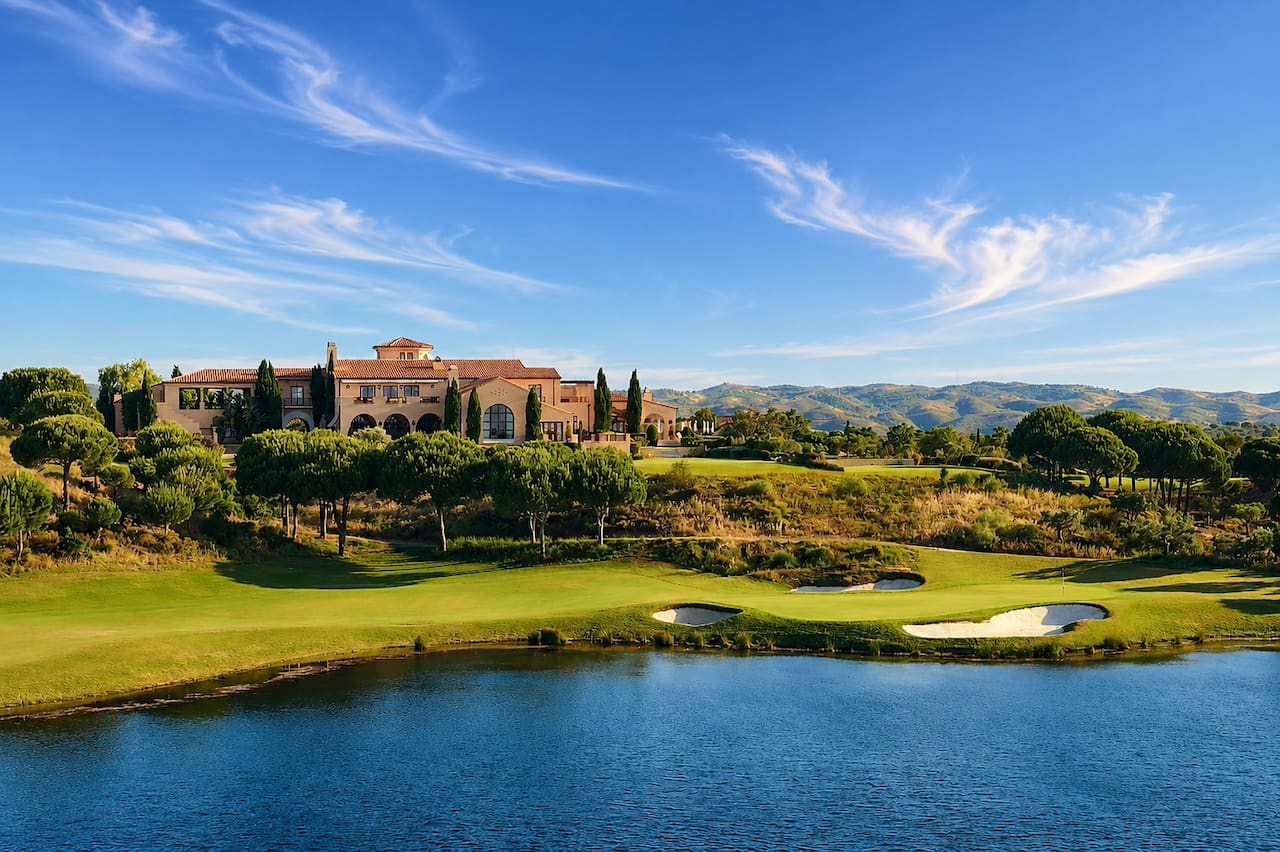
Nobu Hospitality has unveiled plans to open a hotel and residential development at Monte Rei, a golf and country club in Portugal's Eastern Algarve. The project will sit on more than 400 hectares of countryside anchored by a Jack Nicklaus Signature Golf Course that has been operating since 2007.
The development will include 100 hotel rooms and suites, 21,000 square meters of villas and branded residences, and a Nobu restaurant. According to Nobu Hospitality, the project forms part of a broader investment led by Norfin, the resort's owner, which also envisions a future beach club and additional leisure amenities. Construction is expected to begin soon, with completion slated for 2029.
Monte Rei has built a reputation around its golf course and residential offerings. Now, backers say, the next phase is about creating a destination that holds appeal across all four seasons. "The resort has long been recognised for the quality of its golf, service and residential environment," Miguel Mateus, CEO of Norfin, said in a statement. "We are now building on that legacy with a broader ambition for the destination."
Betting on Premium Travel
Nobu Hospitality, co-founded by actor Robert De Niro, chef Nobu Matsuhisa, and film producer Meir Teper, operates a portfolio of hotels and restaurants known for Japanese-Peruvian cuisine and minimalist design. The brand has properties in cities including London, Los Cabos, and Barcelona, and the Monte Rei project marks a deeper push into southern Europe.
Trevor Horwell, CEO of Nobu Hospitality, framed the Algarve expansion as a response to traveler demand for experiences that feel rooted in place. "We have the opportunity to create a distinctive Nobu destination that feels deeply connected to the Eastern Algarve while delivering the hospitality, dining, design and service for which the brand is known," he said.
The timing aligns with continued strength in the premium travel segment. Wealthy travelers have shown resilience even as broader economic uncertainty lingers, and branded residences have become a growing revenue stream for hotel companies seeking to diversify beyond room nights.
The Water Question
The project arrives at a moment when golf resorts in southern Europe face mounting scrutiny over water consumption. Portugal, Spain, and other Mediterranean countries have grappled with prolonged droughts, and concerns about sustainable water use have intensified as wildfire risks climb and reservoir levels drop.
Golf courses, which require significant irrigation to maintain playing conditions, have become flashpoints in debates over resource allocation, especially in tourist-heavy regions where residential and agricultural needs also compete for limited supply. Critics argue that expanding such facilities during a climate crisis sends the wrong message, while proponents point to economic benefits and efforts to adopt water-saving technologies.
Monte Rei has not publicly detailed water management plans for the new development. How the project addresses these concerns will likely shape both its local reception and its appeal to travelers increasingly attuned to environmental impact.
Spreading Demand Across the Calendar
One stated goal of the expansion is to make Monte Rei viable outside the traditional summer peak. Many destinations in southern Europe have sought to extend their seasons, both to smooth revenue and to ease pressure on infrastructure during high season.
The Algarve already attracts visitors year-round thanks to mild winters, but much of the region's tourism economy still revolves around beach holidays concentrated between June and September. Adding hotel rooms, dining, and amenities that appeal to golf, wellness, and culinary travelers could help shift that pattern, assuming the market exists and the pricing holds.
Whether Nobu's name alone can drive off-season bookings remains to be seen. The brand has a following, but the Eastern Algarve is less accessible than the region's main airport hub in Faro, and the area lacks the density of attractions found farther west. Success will likely hinge on how well the resort integrates with the surrounding landscape and whether it can deliver a compelling reason to visit when the weather is cooler and the beaches less inviting.
What Comes Next
The Monte Rei project reflects a broader trend in hospitality: established brands layering onto existing leisure infrastructure rather than building from scratch. Golf resorts, in particular, have become attractive platforms for hotel expansions, offering built-in amenities and a customer base that skews affluent.
For Nobu, the move into the Algarve is a test of whether its formula translates to a rural, resort setting far from the urban energy that defines most of its portfolio. For Portugal, it is another data point in a larger story about how the country balances tourism growth with environmental limits and community needs.
The project will unfold over the next several years, and its impact will depend on execution, market conditions, and how the conversation around water and sustainability evolves. For now, it is one more signal that high-end hospitality sees opportunity in southern Europe, even as the region confronts uncomfortable questions about what that growth costs.