An Abrupt Change of Plan
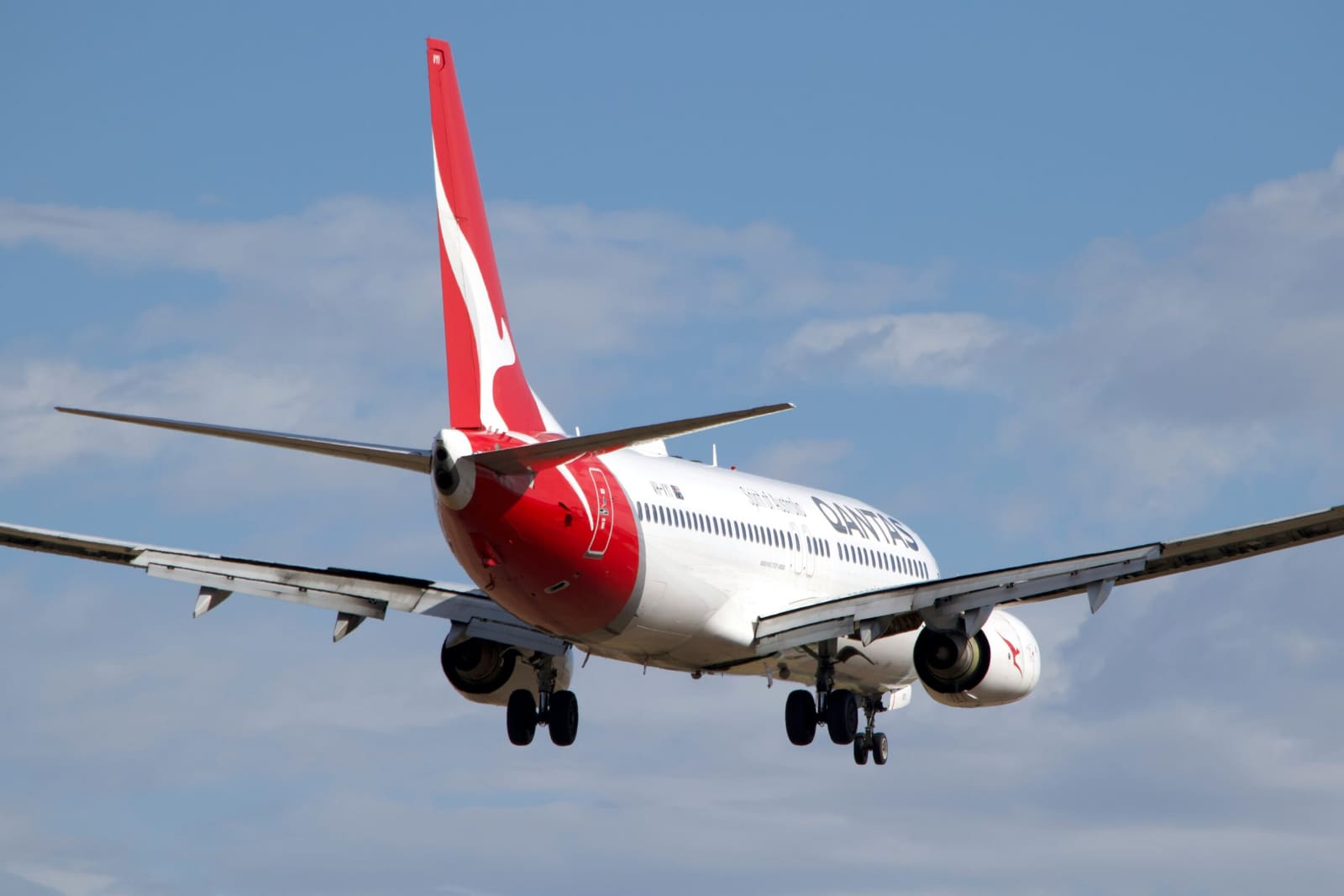
A routine Saturday afternoon departure from Queenstown turned into an unplanned detour for passengers aboard Qantas Flight QF122 on 5 September 2026. The Boeing 737-800, scheduled to fly three hours to Sydney, instead touched down in Christchurch less than an hour after leaving the South Island resort town.
The aircraft had barely climbed away from Queenstown Airport at 4:05 pm when crew detected trouble with one of the two engines. People on board watched fire appear outside the cabin windows on the port side. Others heard sharp, percussive sounds that some likened to gunfire. Video recorded from the ground captured both the glow of flames and the cracking noise.
Inside the cabin, reactions ranged from shouting to calls for an immediate landing. Kriti Sethi, who spoke to Australian broadcaster ABC after the event, described the mood as frightening but noted that cabin crew worked to steady nerves. The flight deck soon explained that a chemical malfunction had affected the engines and that the aircraft would be landing in Christchurch as a precaution.
No Emergency Declaration
Despite the visible flames and the audible disturbance, the situation was not formally classified as an emergency. Both engines continued to function throughout the diversion, and the landing proceeded without complications. No injuries were recorded among passengers or crew.
Emergency services were waiting when the aircraft arrived in Christchurch. Passengers spent the night in the city and were transferred to Sydney the next day at no additional cost, according to Qantas.
A spokesperson for the carrier confirmed that pilots followed standard procedures for managing engine irregularities and that the aircraft landed without incident. The airline also acknowledged the distress caused and said it would reach out to everyone on board to offer support.
Possible Causes Under Review
A technical investigation is now underway to identify what triggered the fire. New Zealand's Civil Aviation Authority stated that aircraft involved in such events undergo full inspections and any required maintenance before resuming operations.
One retired Qantas captain, who successfully handled a major engine failure in Singapore in 2010, suggested that the flames and popping sounds might point to what engineers call a surge and stall. This happens when something disrupts the flow of air through the jet engine - a bird strike is one example - preventing smooth movement across the turbine blades and reducing thrust.
Qantas holds a strong safety record. Airline Ratings ranks it third globally, and the carrier has not recorded a fatality in the jet age, a distinction noted by industry observers.
What It Means for Passengers
Engine problems on commercial jets are rare but not unheard of. Modern turbofan engines are designed with multiple redundancies, and pilots train extensively for scenarios involving partial power loss. Twin-engine aircraft like the 737 can fly and land safely on a single engine, a capability certified by aviation regulators worldwide.
Still, the visible and audible signs of an engine issue - especially fire - can be deeply unsettling for those on board. The gap between technical safety and passenger perception is wide. What crew and engineers may understand as a manageable situation can feel very different from a window seat.
Qantas has not disclosed the specific nature of the chemical failure referenced in the pilot's announcement, nor whether the engine will be replaced or repaired. The 737-800 is a widely used variant of Boeing's narrow-body family, with thousands in service globally. Engine manufacturers and airlines continuously monitor performance data to identify patterns that might indicate emerging issues.
For now, the aircraft remains grounded in Christchurch, and passengers who were on board are back in Sydney, likely with a story they did not expect to tell.