A Departure From Remote Shores
For nearly two decades, Ritz-Carlton Reserve has meant one thing: seclusion. The brand's nine existing properties sit on beaches, in jungles, and along cliffs, places like Phulay Bay in Thailand or the Riviera Nayarit coastline in Mexico. The formula has been consistent: remote settings, small-scale intimacy, and experiences tied to the land around them. Now, that's changing. Marriott International announced in late August 2026 that it will open the first urban Ritz-Carlton Reserve in Shanghai, scheduled for 2030. The 480-meter, 103-floor tower will rise along the North Bund waterfront, a dramatic shift for a brand that has, until now, avoided cities entirely.
The decision raises questions about what happens when a concept built on escape moves into one of the world's busiest metropolises. Can the Reserve model, which emphasizes place-based storytelling and cultural immersion, translate to a vertical tower in a district defined by rapid development and global commerce?
What's Inside the Tower
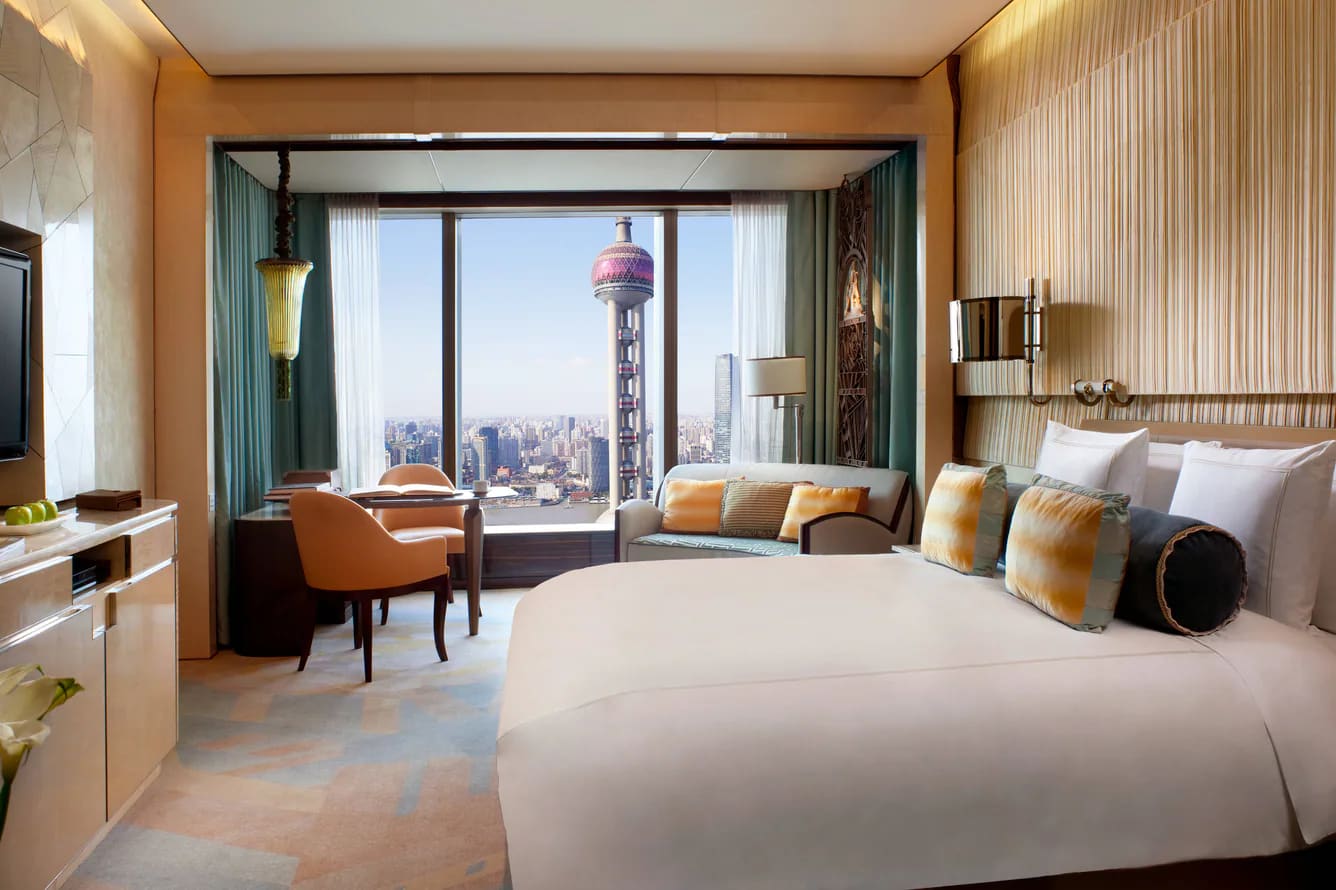
The Shanghai property will house 110 rooms and suites, with many offering views of the Bund and Huangpu River. A Presidential Suite will anchor the accommodation mix, alongside a collection of other suites. The scale is deliberately small for a building of its height, a nod to the Reserve brand's emphasis on exclusivity and personalized service.
Dining and wellness will occupy significant space. Plans include a specialty restaurant, a bar tailored to the property, an indoor pool, and a spa. Marriott has not detailed what "cultural immersion" will look like in this context, though the company has said it will remain central to the guest experience. How that manifests in a skyscraper, as opposed to a beachfront villa, remains to be seen.
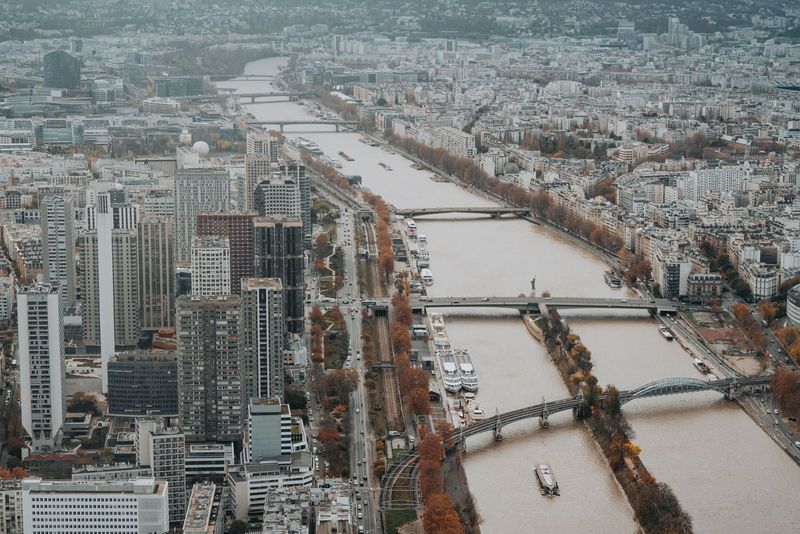
The building itself, designed with an organic, curving form, is intended to become part of Shanghai's evolving skyline. The North Bund is undergoing a transformation, positioning itself as a counterpoint to the Bund's historic architecture and Pudong's financial towers. The Reserve will sit within that broader push to attract luxury hospitality and international visitors.
Why Shanghai, Why Now
Tina Edmundson, president of luxury at Marriott International, framed the move as an evolution rather than a departure. She described Shanghai as a city where heritage and creativity coexist, a place with enough cultural depth to support the Reserve philosophy even in an urban setting. The company sees the project as a test of whether its destination-led model can adapt to density and verticality.
There's also a business calculation. When the Reserve opens, Shanghai will be the only city in the world where all eight of Marriott's luxury brands operate. That breadth reflects both the city's importance as a luxury travel hub and Marriott's confidence in long-term growth across Greater China. The company has pointed to rising consumer interest in wellness, personalization, and transformative travel, trends that have accelerated in recent years and show no signs of slowing.
Huang Haiping, Vice President of SIIC Group and Chairman of the development company behind the project, emphasized the property's role in positioning Shanghai as a leading global center for culture and commerce. The language is aspirational, but it aligns with the city's broader ambitions to compete with Tokyo, Hong Kong, and Singapore as a destination for high-end tourism.
The Risk of Dilution
The move carries risk. Ritz-Carlton Reserve has built its reputation on rarity and remoteness. Its properties are hard to reach, and that difficulty is part of the appeal. Moving into a city, even one as dynamic as Shanghai, could blur the lines between Reserve and the more widely distributed Ritz-Carlton brand. The question is whether guests who seek out Reserve properties for their isolation will find the same value in a tower, no matter how exclusive.
There's also the challenge of scale. A 103-floor building, even with only 110 rooms, is a different proposition than a low-rise resort spread across acres of coastline. The Reserve model relies on a sense of discovery and connection to place, qualities that are easier to cultivate when the place itself is quiet and contained. Shanghai's North Bund is neither.
Still, the project signals a broader shift in luxury hospitality. As remote destinations become more crowded and travelers seek new forms of exclusivity, urban luxury is being reimagined. If the Shanghai Reserve succeeds, it could open the door for similar projects in other global cities. If it struggles, it may reinforce the idea that some brands are better left where they started.
The property is set to open in 2030, giving Marriott and its development partners four years to refine the concept and build anticipation. Whether the Reserve name will carry the same weight in a skyscraper as it does on a secluded beach will depend on execution, and on whether travelers are ready for a version of luxury that trades remoteness for elevation.