A Two-Hour Washboard to Wellness
Getting to Nosara from Liberia's airport means trading smooth asphalt for unpaved roads that rattle your suspension and test your patience. No highways cut through here, no big-name resorts line the coast. What you get instead: howler monkeys calling from the canopy, a coastline that still feels remote, and a community shaped by the rhythms of surfing and wellness rather than mass tourism.
The Nicoya Peninsula sits in one of the world's five original Blue Zones, regions where residents tend to live measurably longer and healthier lives. Researchers point to a mix of factors: daily movement, plant-forward diets, and a pace of life that doesn't reward hurry. Nosara embodies that ethos. The main beach, Playa Guiones, draws surfers year-round for its reliable swell, while yoga studios and organic cafes anchor the small town center.
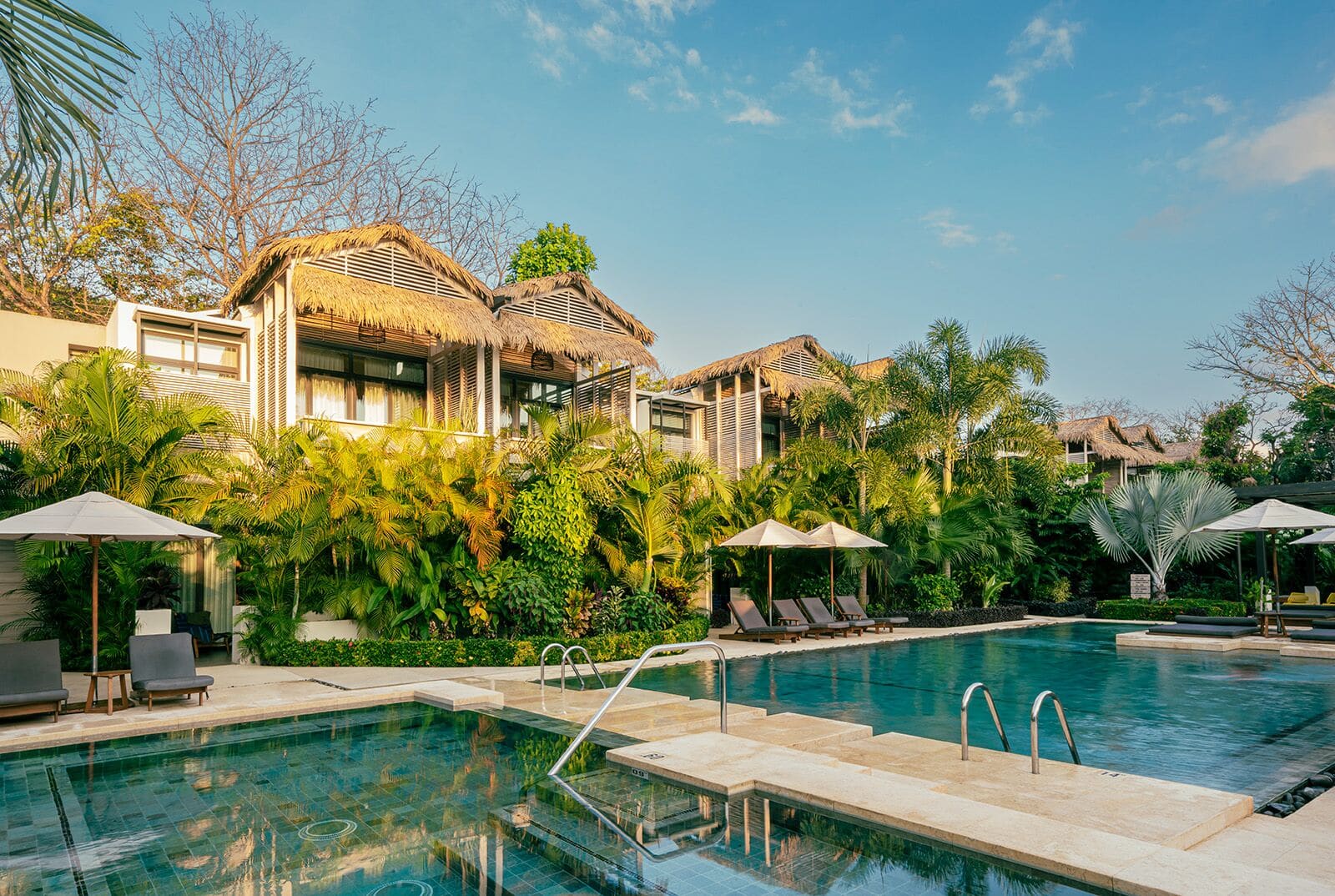
The Gilded Iguana Surf Hotel has operated in Guiones since the 1980s, back when the area was even harder to reach. Today it offers a surf school with certified instructors, an on-site restaurant leaning into regional ingredients, and accommodations ranging from compact surfer rooms to multi-level treetop suites. A narrow trail connects the property directly to the beach, cutting the walk to under five minutes.
Lessons in the Lineup
The surf club attached to the hotel runs group and private sessions for beginners through advanced riders. Instructors start on the sand, reviewing safety and technique, before paddling out to the break. Afternoon low tides often deliver cleaner conditions, with smaller crowds than the early morning rush.
After sessions, Tajalin bar serves smoothies, cold beer, and coffee a few steps from the water. The setup is straightforward: outdoor seating, shade from palm-thatch roofs, and a menu built around post-surf hunger rather than fine dining. Most guests cycle between the beach, the bar, and the hotel pool, which sits at the center of the property alongside a hot tub and hammocks.
Food Rooted in the Region
The hotel restaurant prepares three meals daily using organic produce sourced from nearby farms. The menu nods to the Blue Zone diet staples of beans, squash, and corn, but stretches beyond those basics. Options include smashburgers, Caribbean ceviche made with sea bass, and a vegan version built on apple and cucumber. A grilled squash salad comes with house-made pesto, mixed greens, and fresh herbs. Chickpea hummus topped with mushrooms, avocado, and mint offers a lighter option at lunch.
Breakfast runs buffet-style, with gallo pinto (the national rice-and-beans dish), omelets, grilled meats, fresh fruit, banana bread, and pastries. Everything comes out of the kitchen from scratch, prepared by the hotel's chef. The restaurant also hosts themed dinners and live music nights, part of a broader effort to create shared experiences among guests rather than isolated stays.
The on-site spa uses products made by Costa Rican artisans, keeping the supply chain local down to the lotion. Deep tissue massages target the soreness that comes from paddling out repeatedly or hiking Nosara's trail network. Facials lean on ingredients tied to the region's plant life.
Rooms That Open to the Canopy
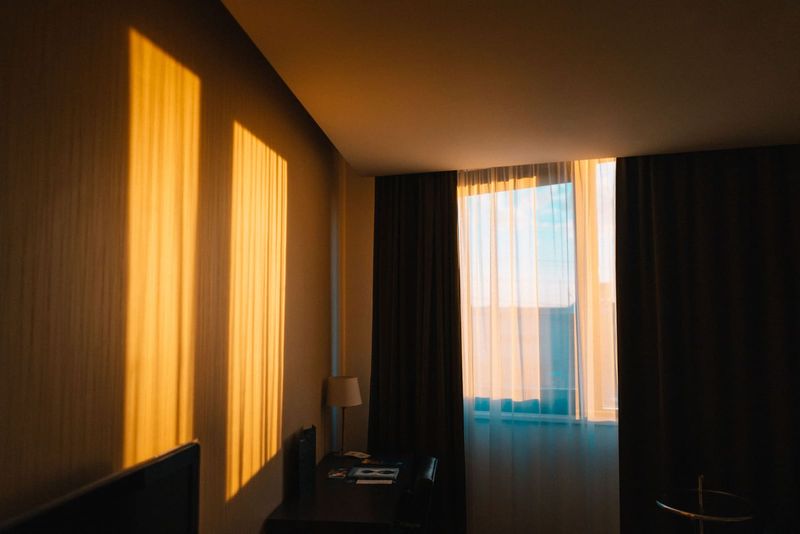
Accommodations vary in size and layout. Surfer rooms sleep two; premium suites offer a king bed and more space for couples; larger suites fit up to six. Treetop suites occupy the upper floor, with mezzanine layouts and views into the surrounding vegetation. Outdoor showers, hammocks, and patio chairs come standard across categories.
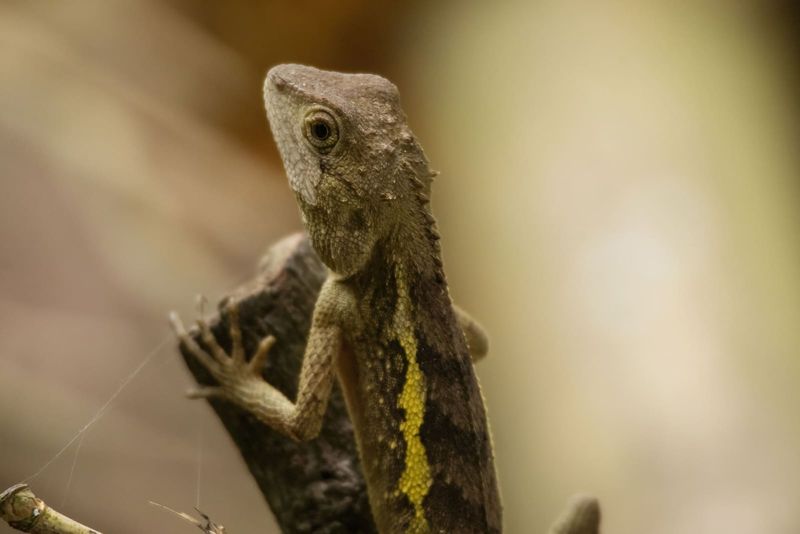
Wildlife moves through the property regularly. Iguanas climb the trees near guest rooms, and opossums appear after dark when activity picks up. The design keeps things simple: functional furniture, natural materials, and staff who remember your name after a day or two.
Three Beaches, One Town
Nosara technically spans three beaches, though most visitors stick to Guiones. Playa Pelada lies to the north, smaller and rockier, with tide pools and fewer people. Playa Garza, a fishing village farther south, avoided the tourist wave that hit Guiones and Pelada, keeping a quieter profile. The inland area houses many local families, separate from the cluster of hotels and restaurants near the surf break.
Rosi's Soda Tica sits next door to the hotel, serving traditional Costa Rican plates like casado: rice and black beans cooked separately, paired with your choice of protein, shredded cabbage, and fried plantains. The spot draws locals and travelers in equal measure, with prices well below what the yoga cafes charge.
Yoga studios dot the town, many open-air with sightlines back toward the beach. Classes run throughout the day, catering to drop-ins and week-long retreats alike. Every Tuesday, the Nosara Farmers Market takes over the road near the main Guiones entrance from morning into early afternoon. Vendors sell produce, handmade crafts, clothing, and small-batch treats. It's a reliable place to run into expats, visiting surfers, and residents all browsing the same stalls.
Walking trails maintained by the Nosara Civic Association link different parts of town, marked with plaques identifying native tree species. Howler monkeys use the same routes, often visible in the branches overhead during early morning and late afternoon hours.
Paddling the River Mouth
Río Nosara flows just north of Pelada, offering calm water suitable for kayaking. Most outfitters time tours around the incoming tide, which pushes gently upstream and brings out the wildlife. Great blue herons, roseate spoonbills, and occasional crocodiles appear along the banks. Tours typically last two to three hours, ending back at the river mouth with fresh coconut or a cold drink while the tide retreats.
Ostional National Wildlife Refuge lies roughly 25 minutes north, protecting one of the largest nesting sites for olive ridley sea turtles globally. Arribadas, mass nesting events where thousands of turtles come ashore to lay eggs, occur mainly from July through December, though smaller numbers nest year-round. Access during an arribada requires a guided tour; outside those peak events, the beach remains open for general visits.
A Peninsula Apart
The Nicoya Peninsula is geographically cut off from the rest of Costa Rica by the Gulf of Nicoya and the Tempisque River. Dry tropical forest covers much of the interior, giving way to a coastline of coves and long stretches of sand. Paved roads end quickly once you leave the main towns, replaced by dirt tracks that demand four-wheel drive and patience. Cell service fades outside hotel zones.
The peninsula's beaches differ from the black volcanic sand found on Costa Rica's mainland. Here, wave patterns break down coral and seashells into fine white sand. The region's remoteness has kept mega resorts and major highways out, preserving a landscape that rewards effort. Navigation skills matter, as do realistic expectations about travel time and road conditions.
Playa Pelada curves in a half-moon shape, separated from Guiones by a rocky outcrop. A short walk along the beach leads past tide pools and La Luna Restaurant, a beachside spot popular with visitors. Farther down, the crowds thin out, leaving stretches of coarse sand and open views of the Pacific. Sunsets here draw photographers and anyone willing to walk a bit beyond the main cluster of activity.
The Pace That Adds Years
Blue Zone research credits longevity in Nicoya to a combination of factors: consistent physical activity woven into daily routines, diets centered on beans and vegetables, and a lifestyle that doesn't prioritize speed. Nosara reflects that template. Getting here takes effort, the roads challenge your vehicle, and the town itself resists the shortcuts that define more developed beach destinations.
The Gilded Iguana fits that rhythm. It's been welcoming travelers since the 1980s, long before wellness tourism became a marketing term. The surf school teaches beginners and refines the technique of experienced riders. The restaurant sources from nearby farms and prepares meals from scratch. The spa uses products made by local artisans. Rooms open to the surrounding forest, where iguanas and opossums move through the trees as they have for decades.
What keeps people coming back isn't luxury or convenience. It's the consistency of the waves, the quality of the food, and the unhurried pace that defines life on this stretch of coast. You arrive after a bumpy drive, step out of your car, and almost immediately feel the rhythm shift. That's the Blue Zone effect, and it starts the moment you leave the paved road behind.