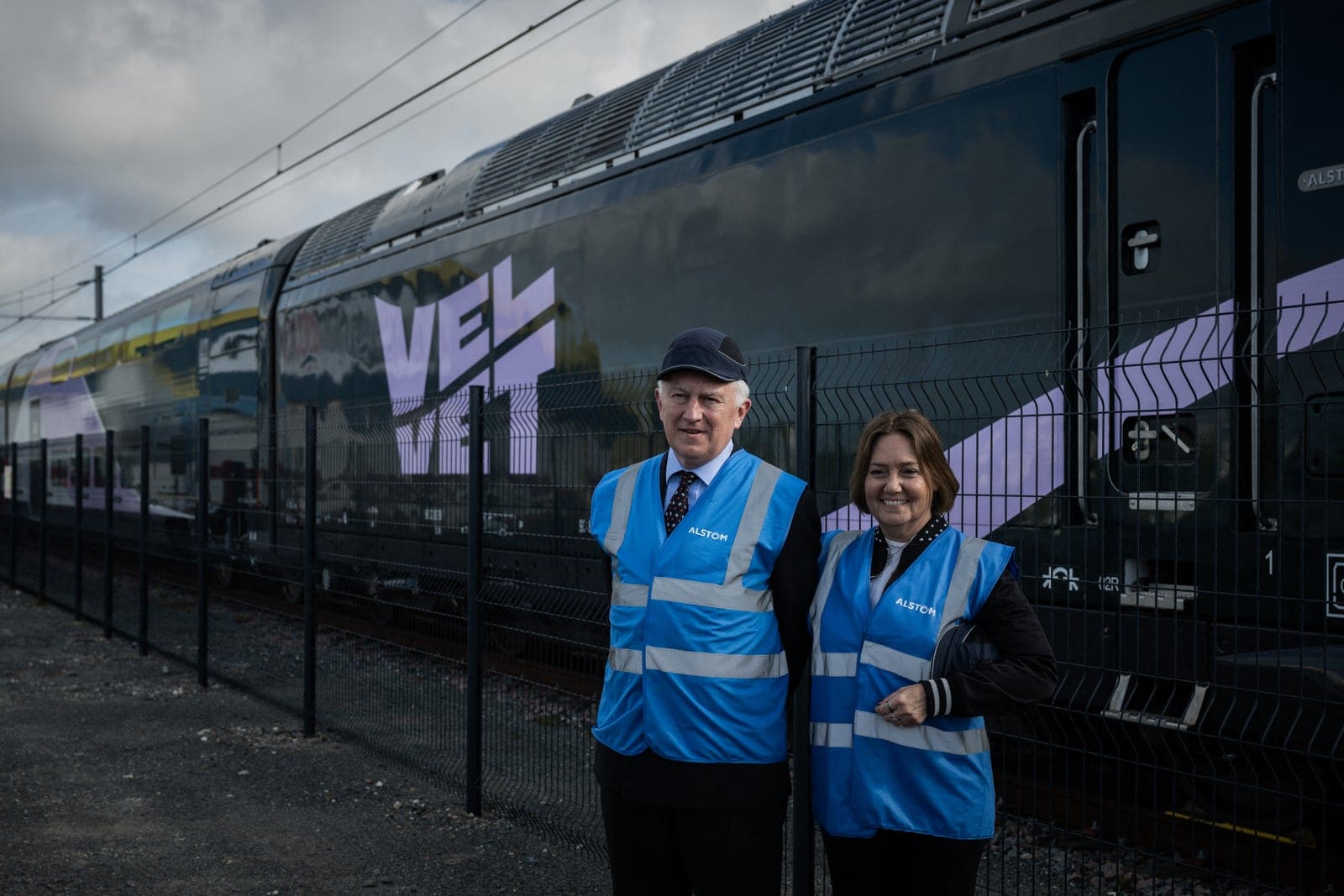
Breaking the State Rail Monopoly
France's transport ministry has granted Velvet an operating license, clearing the way for the country's first independent high-speed train operator to enter a market long dominated by state-owned SNCF. The approval marks a shift in how French passengers might travel between major cities within the next few years.
Velvet plans to launch commercial service in 2028, offering direct journeys averaging two hours between Paris and four Atlantic coast destinations: Angers, Bordeaux, Nantes, and Rennes. The company said it will add 10 million seats annually to these routes, which have seen growing demand as travelers increasingly opt for rail over short-haul flights.
The license is a regulatory milestone, but not the final hurdle. Services remain contingent on safety certification from France's rail regulator, a process that typically involves rigorous testing of rolling stock, crew training protocols, and operational procedures. Velvet has yet to announce a timeline for completing that certification.
Who's Behind the Startup
The venture was co-founded by Rachel Picard, a former director at SNCF, and Tim Jackson, founder of Alpha Trains, a rolling stock leasing firm. That combination brings both insider knowledge of French rail operations and experience in the European train equipment market. Velvet is currently financed by Antin Infrastructure Partners, a Paris-based investment fund that manages assets across transport, energy, and digital infrastructure.
In September 2024, Velvet placed an order for 12 double-decker high-speed trains with Alstom, the French manufacturer that also supplies SNCF's TGV fleet. The trains, part of Alstom's Avelia Horizon series, are designed for speeds up to 320 kilometers per hour and feature a higher passenger capacity than single-level models. The first train was christened at Alstom's La Rochelle facility in April, with passenger cars now being assembled in the plant's fabrication shop. Testing on French tracks is scheduled to begin later this year.
Why Atlantic Routes Matter
Velvet's focus on the Atlantic corridor is deliberate. The region encompasses some of France's fastest-growing urban centers and popular tourist destinations, and existing SNCF services on these lines often run at high occupancy during peak travel periods. By targeting routes where demand already strains capacity, Velvet aims to capture passengers frustrated by limited availability or high fares.
The two-hour average journey time positions rail as a competitive alternative to flying. Paris to Bordeaux, for instance, takes roughly two hours and 15 minutes by TGV, compared to a one-hour flight that typically requires an additional two hours for airport security, boarding, and baggage claim. If Velvet can offer comparable speed with competitive pricing, it may draw travelers who currently drive or fly.
The company has not yet disclosed fare structures, but competition in liberalized rail markets elsewhere in Europe has generally pushed prices down. Italy's introduction of private operator Italo in 2012 led to fare reductions and increased frequency on major routes, a precedent Velvet will likely cite as it builds its case to investors and passengers alike.
What Liberalization Means for French Rail
France has been slower than some of its neighbors to open high-speed rail to competition. Italy and Spain have had private operators for years, and the European Union has mandated that member states allow open access to passenger rail networks. SNCF's historical dominance has meant limited choice for French travelers, and the arrival of a credible competitor could reshape pricing, service quality, and route availability.
Whether Velvet can sustain operations in a market where SNCF controls infrastructure, maintenance facilities, and much of the talent pool remains an open question. The startup will lease track access from SNCF Réseau, the state-owned infrastructure manager, and will need to negotiate favorable terms to keep costs manageable. Any friction in that relationship could complicate Velvet's ability to operate reliably or profitably.
The 2028 launch target gives Velvet roughly two years to finalize safety certification, recruit and train staff, establish ticketing and customer service systems, and build brand recognition. That timeline is tight, and delays in any one area could push the debut further out. But if the company meets its milestones, French passengers will have a new option for getting between Paris and the coast, and SNCF will face its first serious high-speed rival in decades.