A New Chapter for the Carrier
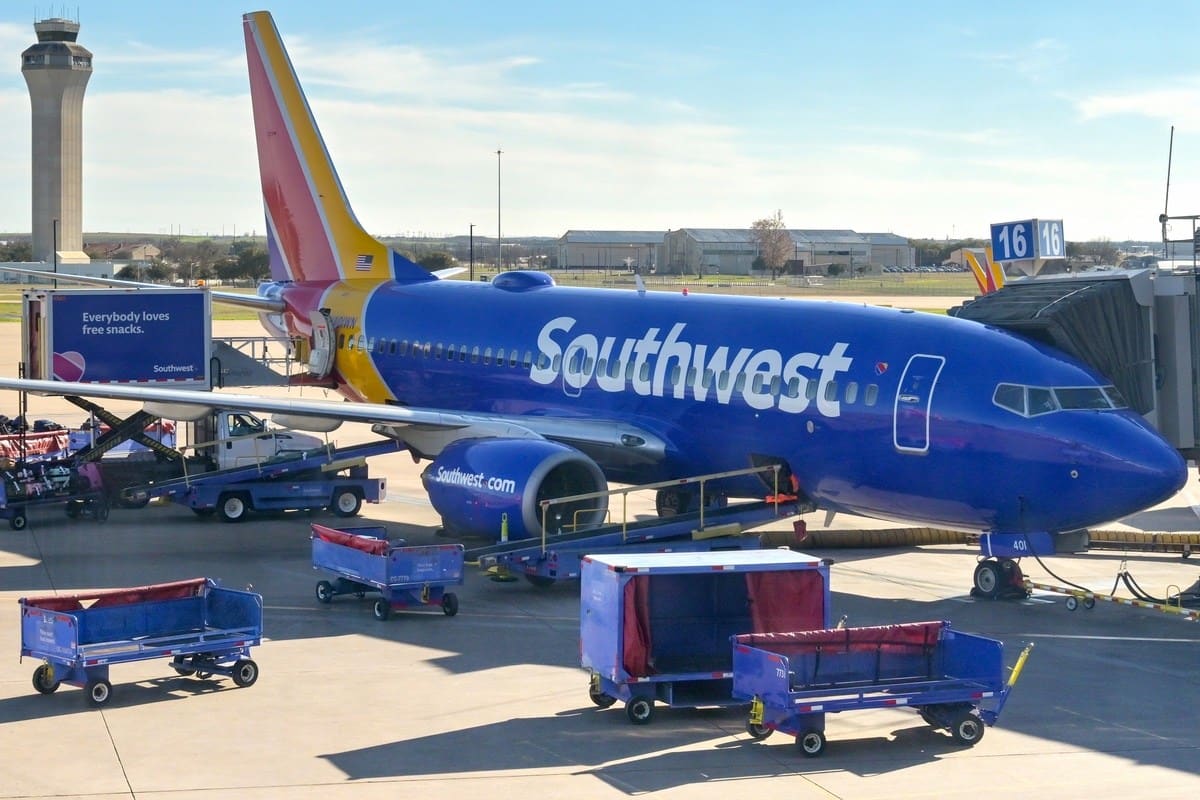
Southwest Airlines announced it will open airport lounges starting in 2027, a significant departure for an airline that has long positioned itself as a no-frills, value-focused operator. The first four locations will be Austin, Baltimore, Nashville, and Honolulu, with at least seven additional sites planned over the following years in what the carrier describes as high-demand business and leisure markets.
The lounges will be part of a partnership with JPMorgan Chase, which will also launch a new co-branded credit card offering access to the premium spaces. Southwest has not yet detailed what the lounges will include, beyond noting they will feature quality food and beverage options, amenities, and travel perks.
The move marks one of the most visible changes in the airline's recent overhaul. Over the past year, Southwest has rolled out assigned seating, extra-legroom cabin sections, and overnight flights, all of which represent a break from the carrier's longstanding operational model. The lounge network extends that transformation into the on-ground experience.
Why Lounges Matter Now
Airport lounges have become a key differentiator among U.S. carriers, particularly as airlines compete for higher-spending travelers. Delta operates more than 50 Sky Clubs, United has expanded its Club network aggressively, and American maintains Admirals Clubs at major hubs. Southwest, which has historically avoided premium amenities in favor of low base fares and operational simplicity, is now entering that arena.
The decision reflects broader changes in how airlines generate revenue. Premium seating, credit card partnerships, and loyalty program tie-ins have become critical profit centers, often surpassing the margins on ticket sales themselves. Southwest's Rapid Rewards program has grown into a significant revenue stream, and the carrier has framed the lounge network as a strategic investment in that ecosystem.
The choice of initial cities is telling. Austin, Nashville, and Honolulu are leisure-heavy markets with growing business travel components. Baltimore, meanwhile, is a focus city for Southwest and a stronghold on the East Coast. The carrier has not disclosed which seven markets will receive the next wave of lounges, though its largest airports by passenger volume include Denver, Las Vegas, Phoenix, and Chicago Midway.
What Access Will Look Like
Southwest said lounge access will be tied to its new Chase credit card, though it has not detailed the card's annual fee, spending requirements, or other benefits. It is likely the airline will also offer access to elite Rapid Rewards members and sell day passes, following the model used by its competitors.
How Southwest structures access will matter. Delta and American have both faced criticism in recent years for overcrowded lounges, leading to stricter entry rules and higher annual fees. United has invested heavily in expanding lounge footprints to accommodate demand. Southwest will need to balance exclusivity with accessibility, particularly as it tries to maintain its reputation for customer-friendly policies.
The lounges will also need to compete on quality. Travelers who hold premium credit cards often have access to multiple lounge networks, including Priority Pass and Amex Centurion, and expectations have risen. Food quality, seating availability, and Wi-Fi reliability are now baseline requirements, not luxuries.
A Carrier in Transition
The lounge announcement comes as Southwest navigates one of the most significant identity shifts in its 50-plus-year history. The airline built its brand on simplicity, low fares, and a consistent product. That model worked for decades, but mounting pressure from investors, evolving passenger expectations, and increased competition have forced a rethink.
Assigned seating, which the carrier announced earlier this year, will roll out in phases starting in 2025. The airline is also testing premium seating with extra legroom, a feature it has long resisted. Red-eye flights, another departure from tradition, are now part of the schedule.
These changes have been met with mixed reactions. Some frequent flyers appreciate the added options, while others worry the airline is abandoning what made it distinct. Southwest executives have argued the changes are necessary to remain competitive and attract a broader customer base, particularly business travelers who have historically favored legacy carriers.
The lounge network fits into that strategy. It signals that Southwest is no longer content to compete solely on price and operational efficiency. The carrier is betting that premium amenities, paired with its existing strengths in customer service and network reach, will allow it to capture a larger share of high-value travelers.
The Competitive Landscape
Southwest will be entering a crowded field. Delta, United, and American have spent billions expanding and renovating their lounge networks over the past decade. Delta alone has invested more than $2 billion in its Sky Clubs since 2020, adding square footage, upgrading food offerings, and introducing shower suites at key locations.
Chase, Southwest's partner on the lounge project, already operates a successful lounge network through its Sapphire Reserve card, which grants access to Priority Pass and the Chase Sapphire Lounge by The Club. That experience will likely inform how the Southwest lounges are designed and managed.
One advantage Southwest has is flexibility. The carrier can learn from the missteps of its competitors and avoid overcrowding from the start by limiting access and building appropriately sized facilities. It can also differentiate on food and beverage, an area where legacy carriers have faced criticism.
The risk is that the lounges feel like an afterthought, or that they fail to meet the expectations of travelers accustomed to the amenities offered by Delta, United, and American. Southwest will need to deliver a product that justifies the cost and aligns with the premium positioning it is trying to build.
What Comes Next
Southwest has not provided a timeline for the seven additional lounges beyond saying they will open over the next several years. The carrier also has not disclosed how large the facilities will be, how many guests they will accommodate, or what specific amenities will be included.
Details on the new Chase credit card are expected in the coming months. The card will likely carry a higher annual fee than Southwest's existing co-branded cards, which range from $99 to $149, and will need to offer compelling benefits beyond lounge access to justify the cost.
The lounges represent a significant capital investment, and their success will depend on execution. If Southwest can deliver a quality product that resonates with travelers, the network could become a meaningful revenue driver and a tool for customer retention. If the lounges fall short, they risk becoming a costly distraction from the carrier's core strengths.
For now, the announcement is another signal that Southwest is willing to rethink long-held assumptions about what it should be. Whether that transformation will pay off remains to be seen, but the carrier is making it clear that the old playbook is no longer enough.