A New Chapter for a Holdout
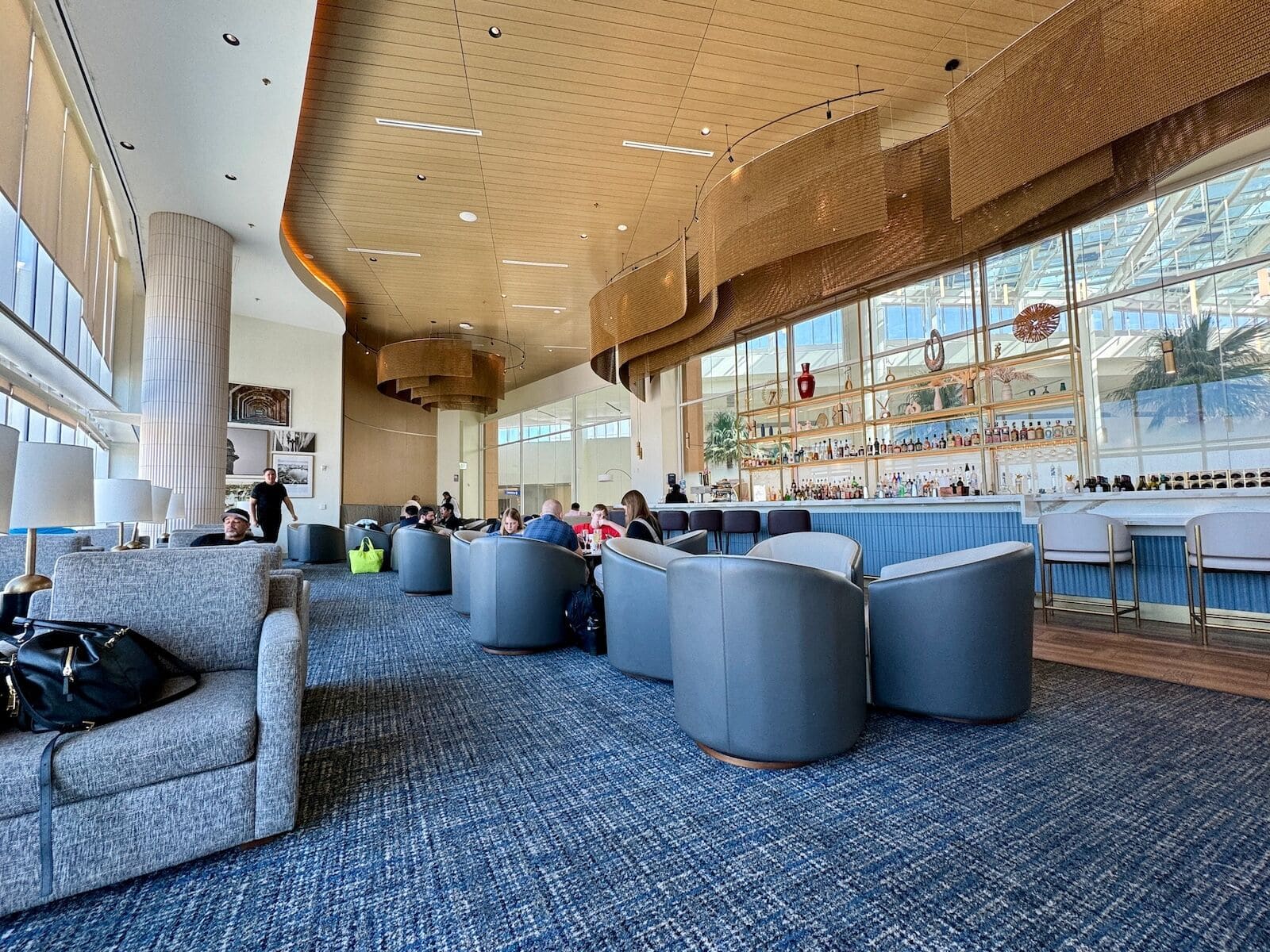
For more than fifty years, Southwest operated without a single airport lounge. That changes in late 2027, when the carrier opens four locations across the country. The announcement in early September confirmed what many industry watchers had anticipated: Southwest is no longer content to compete on price alone.
The carrier is working with Chase to create these spaces, which will mirror the design and offerings of the bank's existing Sapphire Reserve lounge network. Entry will come through a new Rapid Rewards co-branded credit card that Chase intends to roll out next year. Details on pricing, annual fees, or whether day passes will be available remain under wraps.
Where the First Four Will Land
Construction is already underway at airports in Austin, Baltimore, Nashville, and Honolulu. The choice of cities is deliberate. Southwest carries more passengers through Austin, Baltimore, and Nashville than any other airline, giving it a natural advantage in those markets. Honolulu is the outlier, but the move suggests the carrier is eyeing a bigger footprint in Hawaii.
Nashville will host the largest of the four, spanning just over 30,000 square feet. Baltimore's facility will be roughly the same size, while Austin's comes in at around 19,500 square feet. At least seven additional lounges are planned for the years ahead, though the carrier has not specified where.
Catching Up to the Competition
Southwest is the last of the big four US carriers to enter the lounge business. Delta, American, and United have operated branded spaces for years, and together with Southwest, the four airlines control roughly three-quarters of the domestic market. Southwest's absence from the lounge category has been conspicuous, especially as it has grown to command nearly one-fifth of that market on its own.
The timing is also strategic. With Spirit's collapse in May 2026, there are fewer ultra-low-cost competitors left to undercut. Southwest's leadership has been open about its ambitions to pull customers away from legacy carriers. Speaking at an industry summit earlier this year, the company's chief executive said the goal is to eliminate reasons for travelers to choose a rival.
The Erosion of the Old Model
The lounge announcement is only the latest in a series of changes that have reshaped the airline's identity. In May 2025, Southwest introduced checked bag fees for the first time, charging passengers for the first and second bag on most routes. Open seating, a hallmark of the Southwest experience, disappeared in January 2026, replaced by assigned seats and a tiered boarding system.
The carrier also introduced extra-legroom seating for an additional fee, bundled fare tiers that range from Basic to Choice Extra, and began listing flights on third-party booking platforms. All of these moves align Southwest more closely with the legacy carriers it once positioned itself against.
Revenue from bag fees drove much of the passenger revenue growth the airline reported for 2025, according to its year-end figures. Operating revenue in the final quarter of that year climbed by more than seven percent compared to the same period in 2024.
What Premium Might Look Like
The lounge rollout is part of a broader push to capture higher-spending travelers. Leadership has hinted at the possibility of first-class cabins and longer international routes, both of which would mark a significant departure from the airline's traditional short-haul, single-class model. Revenue from the new Chase partnership is expected to help fund some of these initiatives.
Whether Southwest can execute this shift without alienating its core customer base remains to be seen. The carrier built its reputation on simplicity, low fares, and a certain irreverence toward the conventions of legacy airlines. Lounges, premium seating, and co-branded credit cards represent a different kind of value proposition, one that prioritizes margin over volume.
For now, passengers won't see the lounges until sometime in late 2027. But the groundwork is already being laid, both literally and strategically, for an airline that looks very different from the one that took off in the 1970s.